
TransPennine Express: UK Rail Wi-Fi Advancements
Upgrade your railway with seamless, high-speed Wi-Fi. Transform passenger experience and boost operational efficiency – discover how WiFi Spark did it for TransPennine Express!
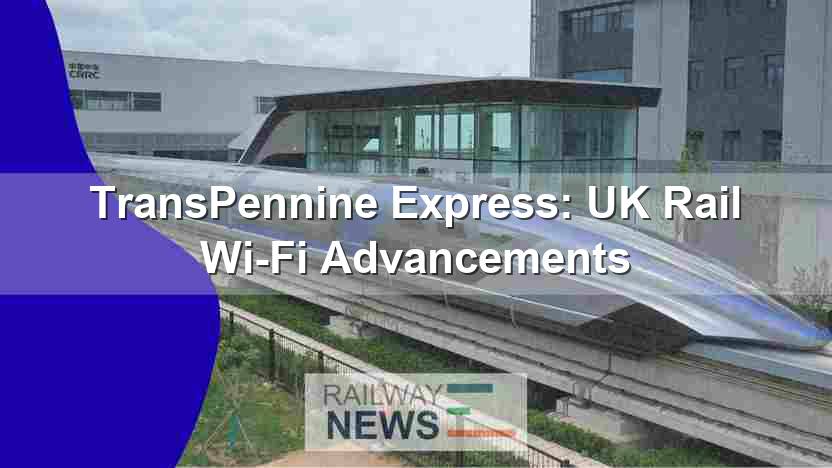
This article explores the significant advancements in passenger experience and operational efficiency achieved through the detailed deployment of a high-speed, continuously connected Wi-Fi network across the TransPennine Express (TPE) rail network in the United Kingdom. The implementation by WiFi Spark, a leading provider of managed Wi-Fi solutions, addresses the growing demand for reliable internet access in the modern railway environment. This initiative not only enhances passenger satisfaction by providing seamless connectivity throughout their journeys but also improves operational efficiency for TPE staff. The project’s scope encompasses a total of 19 stations, two depots, and future expansion to include connectivity on TPE’s intercity trains. We will examine the technical aspects of the implementation, the benefits for both passengers and the rail operator, and the overall impact on the railway industry’s move towards digitalization. Finally, we will consider the future implications and potential for similar deployments on other rail networks.
Network Infrastructure and Implementation
WiFi Spark’s solution involves the installation of a robust and scalable Wi-Fi infrastructure across all designated TPE locations. This includes the careful planning and deployment of access points (APs) to ensure optimal coverage and signal strength throughout stations, depots, and eventually, on board TPE trains. The chosen technology likely utilizes a combination of high-capacity APs, strategically placed to minimize dead zones and maximize bandwidth availability for numerous concurrent users. Additionally, the system is designed for seamless roaming, allowing passengers’ devices to automatically connect to the strongest signal as they move throughout the network. This requires careful coordination between APs and a sophisticated network management system capable of handling high traffic volumes and diverse user demands. The installation process itself involves careful coordination with TPE operations to minimize disruption to services.
Enhanced Passenger Experience
The implementation of this detailed Wi-Fi solution directly translates into a significantly improved passenger experience. Passengers now have access to continuous internet connectivity from the moment they arrive at the station until they reach their final destination. This allows them to work remotely, stay connected with family and friends, access information, and enjoy entertainment throughout their journey. The automatic device recognition feature simplifies the login process, making the service user-friendly and accessible. The provision of a dedicated public network ensures that passenger data remains secure, while a separate corporate network facilitates internal TPE communications and operational efficiency. The convenience and reliability of the service contributes to increased passenger satisfaction and loyalty.
Operational Benefits for TransPennine Express
Beyond improving passenger experience, the Wi-Fi deployment offers several crucial operational advantages for TPE. The dedicated corporate network provides a secure and efficient platform for internal communications, enhancing coordination and collaboration among staff. Access to real-time data improves operational monitoring and allows for quick responses to any issues that may arise. This improved communication efficiency reduces downtime and optimizes resource allocation. Moreover, the network can facilitate the implementation of additional passenger-centric services and applications, leading to a further enhanced travel experience. Improved staff communication also leads to better coordination with train services and improved on-time performance.
Future Implications and Industry Trends
The successful deployment of Wi-Fi on the TPE network highlights a significant trend in the rail industry’s movement towards digitalization and improved passenger services. Providing reliable and high-speed internet access is no longer a luxury but a crucial element for competing effectively in the modern transportation market. The project’s success lays a foundation for future implementations on other railway networks, potentially leading to nationwide coverage. Further development could involve integration with other smart technologies, such as real-time passenger information systems and dynamic pricing strategies. This trend points towards a future where railway travel is not only efficient and comfortable, but also seamlessly integrated into the digital lifestyle of modern passengers. The ongoing development and innovation within the railway technology sector means further enhancements and features will likely become available in the future. Additionally, continuous monitoring and analysis of usage patterns will allow for continual improvements in network performance and user experience.
Conclusion
The provision of a continuously connected Wi-Fi network across the TransPennine Express network represents a significant step forward in improving both passenger experience and operational efficiency. WiFi Spark’s solution successfully addresses the growing need for reliable internet access in the modern railway environment. The implementation offers tangible benefits to passengers, including the ability to work, stay connected, and access entertainment throughout their journey. For TPE, the network enhances internal communications, optimizes operational efficiency, and facilitates the implementation of future smart technologies. The seamless integration of this technology demonstrates a clear commitment to modernization and passenger satisfaction, setting a benchmark for other railway operators. The project’s success underlines a broader industry trend towards digitalization, shaping the future of railway travel. The potential for expansion and integration with other technologies will further enhance passenger experience and improve the overall functionality and efficiency of rail operations in the years to come. The careful planning, implementation, and ongoing management of this system ensures that the investment delivers significant and lasting returns, both for the rail operator and for the passengers it serves.

Railway infrastructure, rolling stock and transport technologies specialist focused on global rail industry developments, high-speed rail systems, signaling technologies and freight transportation. Covering railway investments, public transport modernization, rail operations and international mobility projects across Europe, Asia and North America.
RELATED POSTS

October 8, 2026 1:15 pm
Alstom secured a €1bn contract to build 13 automated trains,...

October 1, 2026 7:09 am
United States regulators confirmed a September 30 deadline for the...

October 8, 2026 12:18 pm
Siemens Mobility signed an agreement with VinSpeed to supply 350...

October 4, 2026 5:14 pm
Alstom secured a CA$4.7 billion order from VIA Rail Canada...

October 5, 2026 6:12 pm
AECOM and Jacobs secured a contract in September 2026 to...

October 1, 2026 12:13 am
Illinois approved $1.5 billion annually for the Northern Illinois Transit...