
Toulouse Metro Line 3: Systra-Arcadis’s System Integration
Toulouse Metro Line 3: Systra and Arcadis master systems integration in this cutting-edge automated metro project. Discover how they’re shaping the future of urban transit!
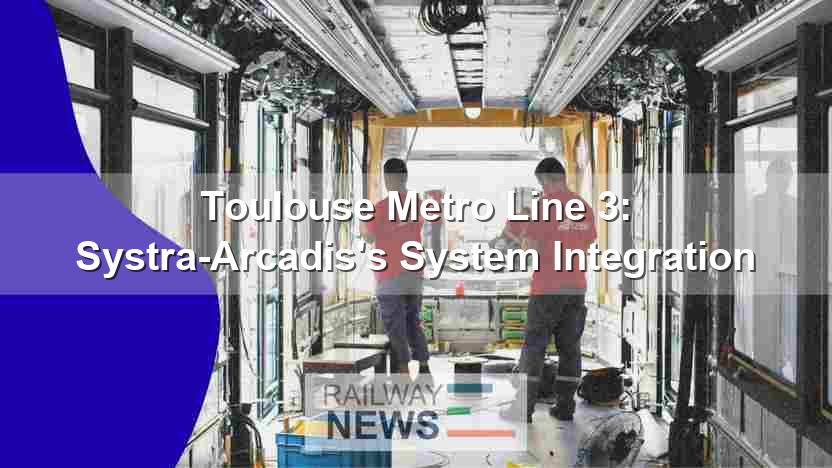
This article examines the significant contract awarded to Systra and Arcadis for the systems project management assistance (PMA) of Toulouse’s third metro line. The project, a testament to France’s continued investment in its public transportation infrastructure, showcases the complexities of modern automated metro system design, implementation, and integration. The scope encompasses far more than just track laying and train procurement; it includes the intricate orchestration of numerous systems, ranging from automated train control (ATC) and centralized traffic management (CTM) to the design of stations and maintenance facilities. This analysis will delve into the key aspects of the project, highlighting the roles of Systra and Arcadis, the technical challenges involved, and the broader implications for urban mobility and infrastructure development in France and beyond. The success of this project serves as a benchmark for future automated metro implementations globally, demonstrating both the technological prowess and the logistical coordination required for such large-scale undertakings.
Project Scope and System Integration
The contract awarded to the Systra-Arcadis consortium covers the complete systems definition for Toulouse Metro Line 3, a 27km line with 20 stations anticipated to transport over 200,000 passengers daily. This necessitates the meticulous integration of diverse systems, including:
- Rolling Stock: The selection and integration of appropriate automated rolling stock are crucial, requiring consideration of capacity, passenger comfort, and energy efficiency. The choice between fully automated driverless trains and those with driver backup must be carefully considered.
- Automated and Non-Automated Control Systems: Line 3’s systems will likely incorporate a mix of automated and non-automated control elements, demanding a robust and seamlessly integrated control system architecture.
- Centralized Control Systems (CCS): A CCS is the central nervous system of the metro, monitoring and managing all aspects of the system in real-time. This demands high reliability and redundancy to ensure continuous and safe operation.
- Track, Power, and Maintenance Equipment: The design and integration of track infrastructure, power supply systems, and maintenance equipment require careful coordination to ensure smooth operation and easy maintainability.
- Station Design and Integration: The design of the 20 stations must be carefully integrated with the overall system, considering passenger flow, accessibility, safety, and aesthetics.
Systra’s Expertise in Automated Metro Systems
Systra, a leading global engineering and consulting firm specializing in transport infrastructure, brings significant expertise in automated metro systems to this project. Their previous involvement in projects such as the Grand Paris Express and Lyon Metro Line B highlights their capabilities in managing complex, large-scale automated transit projects. Their role in the Toulouse Line 3 project underlines their position as a key player in the development and deployment of advanced metro technologies in France.
Arcadis’ Contribution to Project Management and Infrastructure
Arcadis, a global design and consultancy firm for natural and built assets, contributes its extensive experience in infrastructure project management. Their prior work on Toulouse Metro Line A demonstrates their understanding of the specific challenges and requirements of metro projects within the Toulouse context. Their focus on stakeholder management and effective collaboration will be crucial for the success of this complex undertaking. The combined expertise of Systra and Arcadis creates a powerful consortium capable of handling the technological, logistical and managerial aspects of the project.
Broader Implications and Future Outlook
The successful implementation of Toulouse Metro Line 3 will significantly enhance connectivity within the Greater Toulouse region, improving accessibility to employment centers, the airport, and the main railway station. The project serves as a model for future urban transport development, showcasing the potential of automated metro systems to provide efficient, reliable, and sustainable public transportation. The line’s integration with existing transport networks—metro Lines A and B, tram lines, and bus lines—demonstrates a commitment to integrated transport planning and a move away from isolated transport solutions. The project’s success hinges on effective collaboration between the various stakeholders, including the client (Tisséo Collectivités and Tisséo Ingénierie), contractors, and regulatory bodies. Additionally, the project’s sustainability considerations, such as energy efficiency and environmental impact mitigation, are vital aspects for its long-term viability and contribution to a greener urban environment. The experience gained from this project will inform future metro developments in France and beyond, driving innovation in automated metro technology and project management practices.

Railway infrastructure, rolling stock and transport technologies specialist focused on global rail industry developments, high-speed rail systems, signaling technologies and freight transportation. Covering railway investments, public transport modernization, rail operations and international mobility projects across Europe, Asia and North America.
RELATED POSTS

September 6, 2026 5:19 am
Hitachi delivered Taiwan's first N700ST high-speed train from Japan in...

September 6, 2026 4:12 am
Alstom delivered the first of 100 new G Class trams...

September 6, 2026 1:17 am
Hitachi Toshiba Supreme Consortium confirmed the first of 12 N700ST...
September 6, 2026 12:20 pm
Indian Railways ordered a probe after a fire destroyed 2...

September 7, 2026 4:11 am
ÖBB Rail Cargo Group leased 500 Eanos-y scrap-metal wagons from...
September 7, 2026 4:15 pm
Zimbabwe approved the EUR 3 billion Harare Light Rail project,...