
Toronto’s New Streetcars: A $396M Transit Upgrade
Introduction
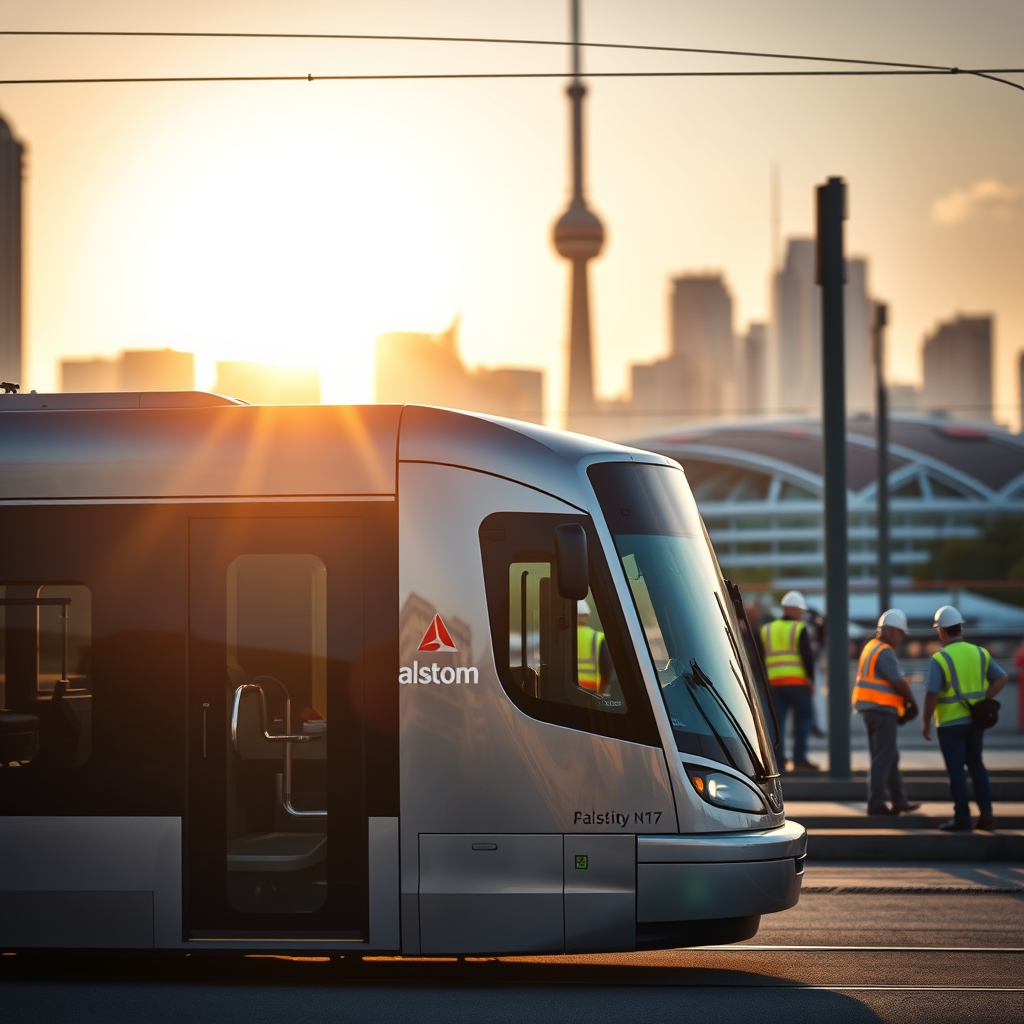
This article examines the Toronto Transit Commission’s (TTC) significant expansion of its streetcar fleet, focusing on the recent delivery of the first of 60 new Alstom Flexity light rail vehicles. This acquisition represents a substantial investment in upgrading Toronto’s public transit infrastructure, aiming to meet projected ridership growth over the next decade. The project, costing C$396 million (approximately $288.5 million USD), is part of a broader C$568 million program encompassing not only the addition of new vehicles but also crucial infrastructure improvements. The article will analyze the significance of this fleet expansion within the context of Toronto’s broader transportation strategy, the technological advancements embodied in the new streetcars, and the overall implications for the city’s public transit system. We will explore the manufacturing process, the role of public-private partnerships, and the long-term sustainability goals inherent in this project. Finally, we will consider this project within the larger context of North American rail infrastructure modernization initiatives.
Alstom Flexity Streetcars: A Technological Advancement
The new Alstom Flexity streetcars are low-floor, zero-emission vehicles, representing a significant technological upgrade for the TTC. The low-floor design improves accessibility for passengers with disabilities, while the zero-emission characteristic aligns with the city’s sustainability goals, reducing the carbon footprint of public transport. These modern vehicles likely incorporate advanced Intelligent Transportation Systems (ITS) features, such as real-time passenger information displays, improved communication systems, and potentially even automated train control functionalities. The manufacturing process, spread across Alstom’s Thunder Bay and La Pocatière facilities, highlights the significant economic contribution of this project to the Canadian economy.
Expanding the TTC Fleet: Meeting Future Demand
The addition of 60 new streetcars will significantly augment the existing fleet of 204 Alstom vehicles, increasing capacity and improving service reliability. This expansion directly addresses the TTC’s projection of increasing ridership. By bolstering the fleet, the TTC aims to mitigate overcrowding, reduce wait times, and enhance the overall passenger experience. The strategic placement of these new vehicles across the existing nine streetcar routes will optimize service delivery and ensure efficient allocation of resources. This expansion is not merely about adding more vehicles; it represents a proactive approach to managing future transportation needs within a growing metropolis.
Infrastructure Improvements and Public-Private Partnerships
The C$568 million program extends beyond the acquisition of new streetcars. A key component involves the reconfiguration of the Hillcrest Complex to accommodate at least 25 additional streetcars. This demonstrates a commitment to investing in the necessary infrastructure to support the expanded fleet, ensuring efficient maintenance, storage, and deployment of the vehicles. The project also highlights the significant role of public-private partnerships in funding and executing large-scale infrastructure projects. The joint funding by the federal government, the Ontario government, and the City of Toronto showcases a collaborative approach to improving public transportation.
The Broader Context of Rail Infrastructure Modernization
The Toronto streetcar program is part of a wider trend of rail infrastructure improvements across North America. The article mentions the federal government’s plans for a high-frequency rail project between Ottawa and Quebec City, reflecting a growing focus on sustainable and efficient transportation solutions. This broader context underscores the importance of strategic investments in public transportation as a means to address urban growth, reduce traffic congestion, and mitigate environmental concerns. The TTC’s initiative serves as a case study for other cities facing similar challenges in managing expanding populations and growing demands on public transport systems.
Conclusions
The delivery of the first Alstom Flexity streetcar to the TTC marks a pivotal moment in Toronto’s ongoing efforts to modernize and expand its public transit system. This C$396 million investment represents a significant step toward meeting projected ridership growth, enhancing service reliability, and improving the overall passenger experience. The introduction of low-floor, zero-emission vehicles demonstrates a commitment to sustainability and accessibility. The program’s success hinges not only on the acquisition of new vehicles but also on the simultaneous investment in supporting infrastructure, as evidenced by the planned reconfiguration of the Hillcrest Complex. The project highlights the effectiveness of public-private partnerships in funding and executing large-scale infrastructure projects. This initiative should be seen within the larger context of national rail modernization efforts across North America, underscoring the growing importance of efficient, sustainable, and accessible public transit systems in addressing the challenges of urban growth and environmental concerns. The success of this project will serve as a model for other cities grappling with similar transportation demands and will likely inspire further investment in modernizing aging rail infrastructure across the continent. The long-term impact of this expansion will be a more efficient, reliable, and environmentally conscious public transportation system for the citizens of Toronto. The TTC’s commitment to sustainable transit operations will create a more enjoyable and efficient commuting experience, ultimately contributing to a higher quality of life for the city’s residents.
RELATED POSTS

October 16, 2015 8:44 pm
Société d’Exploitation du Transgabonais (Setrag), the state railway of Gabon,...
September 13, 2025 10:00 am
FTA investigates CATS security following fatal light-rail assault; demands...

September 5, 2009 2:51 am
Bombardier has revealed that it is expecting to sell nearly...
July 1, 2025 8:33 pm
New Zealand rail faces workforce challenges, including skills gaps and...

December 21, 2021 7:30 am
The Alstom-Bombardier Acquisition and its Implications for the High-Speed Rail...
November 24, 2019 9:27 am
Introduction This article explores the groundbreaking pilot project in the...