
Toronto Subway Accessibility Upgrade: Old Mill Station Case Study
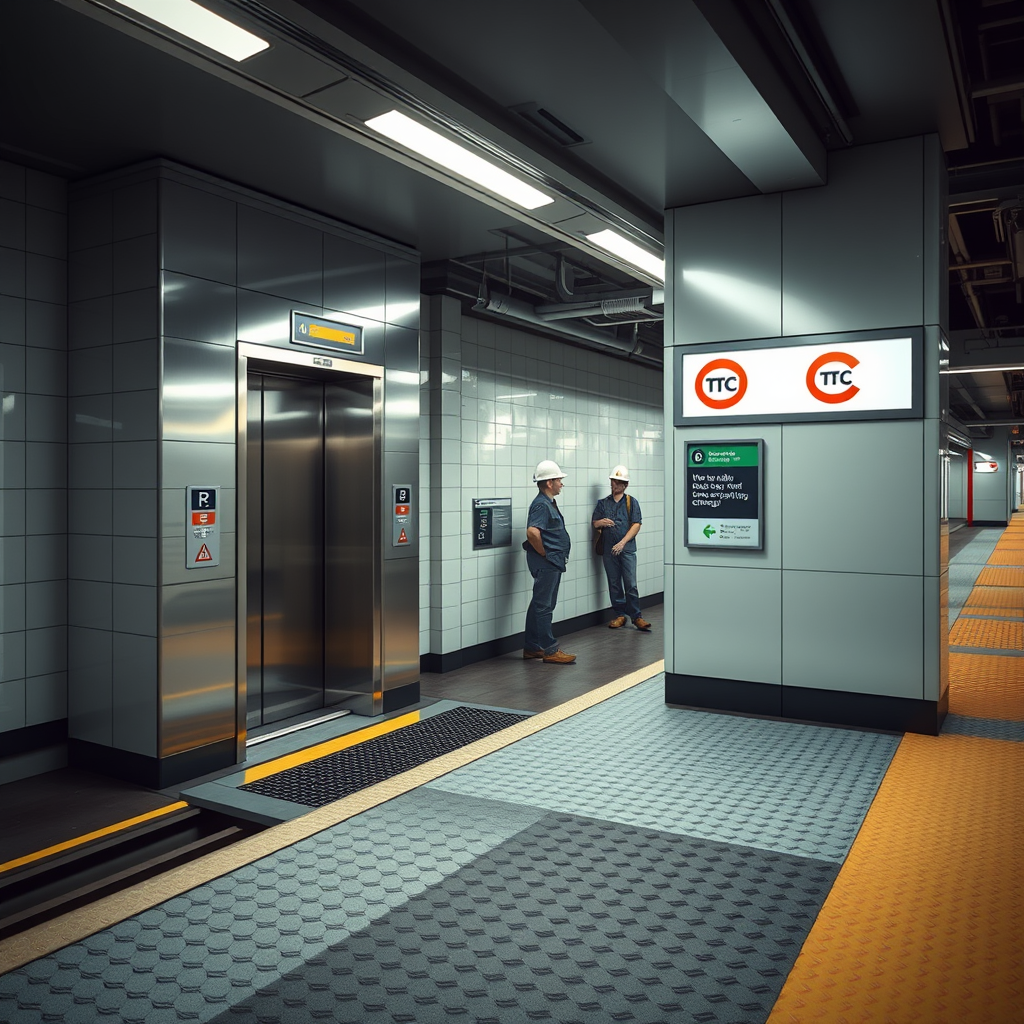
Accessibility Upgrades at Toronto’s Old Mill Station: A Case Study in Transit Modernization
This article examines the C$25.69 million ($17.8 million USD) accessibility upgrade project at Toronto’s Old Mill Station on Line 2 (Bloor-Danforth) of the Toronto Subway. The project, awarded to Maystar General Contractors and slated to begin construction in Q2 2025, represents a significant step towards the Toronto Transit Commission’s (TTC) broader goal of achieving full accessibility across its subway network. This initiative highlights the multifaceted challenges and strategic considerations involved in modernizing aging transit infrastructure to meet the needs of a diverse and increasingly mobility-challenged population. We will explore the project’s scope, the larger context of the TTC’s Easier Access Program, and the financial and political landscape that underpins such large-scale accessibility improvements. The complexities of project timelines, funding mechanisms, and the overall impact on commuters will also be addressed. The implications of this project extend beyond Old Mill Station, providing valuable insights into best practices for future accessibility upgrades in transit systems globally.
Project Scope and Enhancements
The Old Mill Station upgrade focuses on eliminating physical barriers for passengers with disabilities. Key improvements include the construction of two new elevators, providing crucial vertical access between platforms and the station’s entrances. Beyond elevator installation, the project encompasses a range of accessibility features. This includes the installation of tactile paving (attention tiles) to guide visually impaired passengers, upgraded signage for improved wayfinding, repairs to existing station finishes for improved aesthetics and safety, and the strategic placement of Closed-Circuit Television (CCTV) cameras to enhance security along accessible pathways. These integrated improvements demonstrate a holistic approach to accessibility, moving beyond simply providing elevators to create a more inclusive and safer transit environment.
The TTC’s Easier Access Program and Broader Context
The Old Mill Station upgrade is a component of the TTC’s ambitious Easier Access Program, a long-term initiative aimed at making all subway stations fully accessible. This program is not only significant for improving the lives of passengers with disabilities but also reflects a broader societal shift towards greater inclusivity and equity in public transportation. The program’s success hinges on securing adequate funding, managing complex construction schedules across multiple stations simultaneously, and addressing the inherent logistical challenges associated with upgrading existing infrastructure. Currently, twelve stations are undergoing similar accessibility enhancements, with many expected to be completed by 2026. This phased approach allows the TTC to manage resources effectively while gradually improving accessibility across its network.
Funding and Political Landscape
The financial backing for the Old Mill Station project and the wider Easier Access Program demonstrates the importance placed on accessibility by various levels of government. Significant funding is provided through the Government of Canada’s Canada Community-Building Fund (CCBF), highlighting the federal commitment to improving community infrastructure. Furthermore, the TTC’s own financial resources and contributions from the Province of Ontario and the City of Toronto further underscore the collaborative nature of such large-scale infrastructure projects. This multi-layered funding structure not only ensures sufficient capital but also reinforces the shared responsibility across different levels of government in providing accessible public transit.
Project Timeline and Future Implications
While a precise completion date for the Old Mill Station upgrade is pending presentation to the TTC board, the planned Q2 2025 commencement of construction suggests a timeline of several months. Successful completion of this project will provide valuable data and lessons learned for future accessibility upgrades. The project serves as a model for other transit agencies grappling with similar challenges. The integration of various accessibility features, the management of construction within an operational transit environment, and the overall user experience will be crucial elements for evaluating the project’s success. Furthermore, the broader implications for the TTC’s Easier Access Program, in terms of efficiency, cost-effectiveness, and passenger satisfaction, will be important considerations for future planning and implementation.
Conclusions
The C$25.69 million ($17.8 million USD) accessibility upgrade at Toronto’s Old Mill Station represents a significant milestone in the TTC’s Easier Access Program. This initiative, supported by various levels of government through funding mechanisms like the Canada Community-Building Fund (CCBF), aims to make all subway stations fully accessible. The project’s scope includes the construction of new elevators, improved signage, tactile paving, CCTV installation, and station finish repairs. These improvements are not merely about compliance but are about creating a truly inclusive and safer transit experience for all riders, particularly those with mobility challenges. The project’s success hinges on effective project management, strategic allocation of resources, and ongoing collaboration between the TTC, contractors like Maystar General Contractors, and various levels of government. The successful completion of Old Mill Station, along with other stations currently under construction, will serve as a valuable case study for future accessibility upgrades in Toronto and other urban areas globally, highlighting best practices and providing critical data for optimizing similar projects. The long-term impact extends beyond individual station improvements, contributing to a more equitable and inclusive public transit system for all Torontonians. The integration of various accessibility features, the efficient management of construction within a functioning transit environment, and the resulting user experience will be critical factors in evaluating the project’s success and informing future accessibility initiatives within the TTC and beyond. The success of this project and others like it are crucial for ensuring equitable access to public transit for all members of society.

Railwaynews.net is a railway information and news platform. Website presents from all around the world railway sector news, developments, projects and tender for the sector specialists. Railwaynews supports to industry events and announced them for potential participants.
Railwaynews plans to collecting data from all around the world, about railway infrastructure, rolling stock, railway transportation datum, geographical datum to present for railway professionals for short term. Railwaynews will build new platforms aims to high value railway business environment for all railway specialists, railway fans and especially railway suppliers and their decision makers. Railwaynews presents whole information from rail professionals to rail professionals.
RELATED POSTS

April 7, 2026 4:33 pm
From HS2's $137bn to California's $126bn rail disaster — discover...
April 1, 2026 6:21 pm
Federal Transit Administration awarded $20.6 billion in formula-based apportionments to...

April 1, 2026 8:40 pm
BNSF Railway expands Galesburg, Illinois, yard capacity, with second hump...
April 1, 2026 12:10 pm
Alstom secured a €410 million contract from CFR SA to...
April 7, 2026 2:00 am
Northern Indiana Commuter Transportation District opened its 8-mile South Shore...
April 6, 2026 4:18 pm
Japan approved a strategic rail pivot from FY1996–2025, expanding 1,156...