
The Future of Rail: Infrastructure Trends, $182M Grants Approved
Trump approves $182M in rail infrastructure grants, reversing Biden delays. Funds support various railway projects, improving safety and capacity.

Trump Administration Approves $182 Million in Rail Infrastructure Grants, Reversing Biden-Era Delays
In a move signaling a shift in transportation policy, the Trump administration has cleared $182 million in previously-announced rail infrastructure grants. Announced yesterday by U.S. Transportation Secretary Sean Duffy, the grants, part of a broader $2.9 billion approval of transportation funding, were initially earmarked under the Biden administration but had yet to be “obligated.” This delayed approval follows a review process to ensure compliance with the administration’s policies, including revisions concerning diversity, equity, inclusion (DEI) initiatives, social justice requirements, and greenhouse gas emissions reporting.
The grants, encompassing various railway projects, are being released after scrutiny. This article examines the allocation of these funds, the types of projects supported, and the potential implications for the rail industry. The core 5W1H are: *Who* – The Trump Administration, *What* – Released infrastructure grants, *When* – Recently approved, *Where* – Across various rail projects, *Why* – To fund previously announced projects after review, *How* – Through the release of previously obligated funds after policy compliance scrutiny.
Grant Allocation and Program Breakdown
The $182 million allocated for rail projects is distributed across several key programs. These include the Consolidated Rail Infrastructure and Safety Improvements (CRISI) program, the Federal-State Partnership (FSP) program, the Railroad Crossing Elimination program, and the Safety Infrastructure Improvement program. These programs target crucial areas of rail infrastructure, from safety enhancements to capacity upgrades. The programs are designed to improve safety, efficiency, and overall performance of the nation’s railway system.
CRISI Program Grants: Safety and Infrastructure Enhancement
A substantial portion of the funds, $69 million, is designated for eight projects under the CRISI program. CRISI grants are primarily aimed at improving the safety and reliability of existing rail infrastructure, encompassing upgrades to track, signals, and other critical components. Projects likely include track rehabilitation, bridge improvements, and the implementation of advanced signaling systems to enhance operational efficiency and reduce accident risk. In addition, this program helps to improve overall railway performance, contributing to a more robust and resilient transportation network.
FSP Program Funding: Advancing Key Projects
The Federal-State Partnership program receives $83 million, directed toward three key projects. The FSP program focuses on collaborative efforts between federal and state governments, enabling the development of major rail initiatives that often require significant investment and strategic coordination. This could involve projects such as constructing new rail lines, expanding existing passenger rail networks, and improving freight capacity. The focus is on significant infrastructure projects with broader regional or national impact. These are crucial in areas with high demand for passenger and freight transport.
Crossing Elimination and Safety Improvements: Enhancing Public Safety
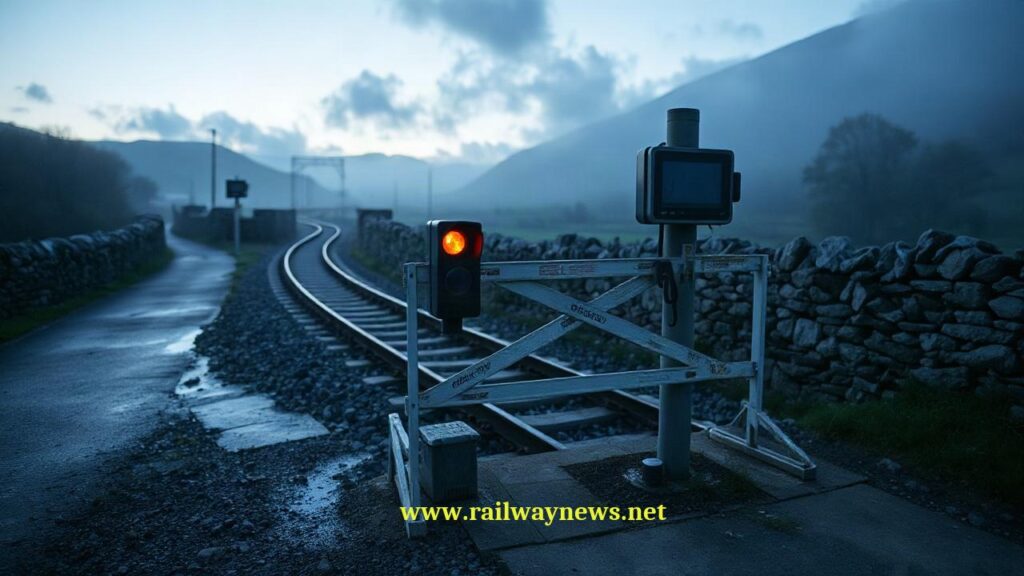
A further $28 million is earmarked for 22 projects under the Railroad Crossing Elimination program. These projects prioritize safety at grade crossings, where railway lines intersect with roadways. Such projects include grade separations (building overpasses or underpasses), the installation of advanced warning systems, and other measures to reduce collisions and improve safety for both rail and road users. An additional $2 million will be allocated for a Safety Infrastructure Improvement program grant for one project, focusing on safety-related upgrades to infrastructure, such as signal enhancements or track improvements.
Conclusion
The recent approval of $182 million in rail infrastructure grants signals a continuation of investment in the nation’s rail network, despite a shift in priorities and administrative oversight. While the delays caused by the review process have caused some concern, the eventual release of funds indicates a commitment to the projects initially approved under the Biden administration. The approved allocation of funds reflects continued investment in rail, covering CRISI, FSP, Railroad Crossing Elimination, and Safety Infrastructure Improvement Programs, supporting various safety, efficiency, and capacity improvements. The implications for the rail industry are significant, with these funds likely fostering job creation, stimulating economic growth, and enhancing overall transportation infrastructure. The future outlook remains positive, with continued investment in rail expected to play a critical role in addressing rising transportation needs and promoting sustainable development.

Railway infrastructure, rolling stock and transport technologies specialist focused on global rail industry developments, high-speed rail systems, signaling technologies and freight transportation. Covering railway investments, public transport modernization, rail operations and international mobility projects across Europe, Asia and North America.
RELATED POSTS
September 6, 2026 5:19 am
Hitachi delivered Taiwan's first N700ST high-speed train from Japan in...

September 5, 2026 4:19 pm
CPK launched formal tender talks with four consortia to design...
September 6, 2026 1:17 am
Hitachi Toshiba Supreme Consortium confirmed the first of 12 N700ST...
September 6, 2026 6:17 am
Hungary ordered a national ban on most freight trains from...
September 6, 2026 8:17 am
DB InfraGO reopened the Nuremberg-Regensburg line in Bavaria on 31...
September 5, 2026 6:17 pm
Universal Signalling won a deal to install its U-Cross system...