
TfWM’s Battery Tram Expansion: UK Rail Advancements
West Midlands is electrifying its tram network with up to 50 new battery-powered trams! This massive upgrade boosts sustainability and connectivity – learn how!
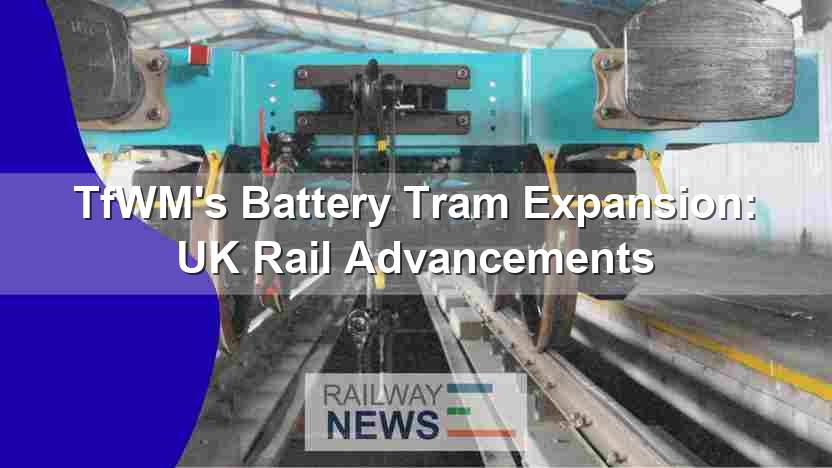
Transport for West Midlands (TfWM), a key player in the UK’s public transport sector, is undertaking a significant expansion of its light rail network. This ambitious plan involves the procurement of up to 50 new battery-powered trams, marking a substantial commitment to sustainable and efficient public transportation. This article will delve into the rationale behind this investment, the technological advancements it represents, the broader implications for the West Midlands region, and the challenges associated with such a large-scale project. The expansion isn’t simply about adding more trams; it’s about creating a more integrated, environmentally friendly, and economically advantageous transport system for the region, leveraging advancements in battery technology and contributing to the overall success of national infrastructure projects like HS2 (High Speed Rail 2).
The Technological Leap Forward
The adoption of battery-powered trams signifies a considerable technological advancement in the UK’s light rail sector. Unlike traditional trams reliant on overhead lines (catenary systems), battery-powered trams offer greater flexibility in route planning, allowing for extensions into areas where overhead lines are impractical or aesthetically undesirable. This opens up new possibilities for connecting previously underserved communities and expanding the reach of the light rail system. The use of battery technology also offers environmental benefits by reducing reliance on fossil fuels and lowering carbon emissions, aligning with the UK’s broader sustainability goals. The procurement of these trams underscores TfWM’s commitment to integrating cutting-edge technology into its public transport infrastructure.
Network Expansion and Economic Impact
The planned acquisition of 50 new trams, initially 18 with an option for 32 more, represents a significant expansion of the existing Midland Metro network. This expansion, costing part of a £3.4 billion investment over ten years, is intended to improve connectivity within the West Midlands, serving more passengers and encouraging economic growth. The increased capacity and reach of the tram network will facilitate easier commuting for residents and improve access to employment, education, and leisure facilities. Additionally, TfWM aims to maximize the economic benefits of the upcoming HS2 rail line, anticipating that improved regional connectivity will boost economic activity in the West Midlands.
Retrofitting Existing Trams and Future Planning
TfWM’s strategy extends beyond the procurement of new trams. The authority intends to retrofit its existing fleet of 20 Urbos 3 trams with battery technology, completing a rolling program to enhance the sustainability and flexibility of the entire network. This detailed approach showcases a long-term vision for a fully modernized and electrified light rail system. The commitment to retrofitting demonstrates a dedication to maximizing the value of existing assets while transitioning to a more sustainable future. This phased approach allows for learning and adaptation throughout the implementation process, reducing risk and optimizing resource allocation.
Challenges and Implementation
While the expansion presents significant opportunities, several challenges need to be addressed. The procurement process itself, involving the tendering and selection of suitable vendors, requires careful planning and execution. Ensuring the chosen trams meet the stringent requirements of the West Midlands network, particularly in terms of reliability and performance, is crucial. Additionally, the integration of new trams into the existing infrastructure and the implementation of the retrofitting program requires meticulous planning and coordination to minimize disruption to services. Careful consideration also needs to be given to the long-term maintenance and operational costs of the expanded fleet. The successful implementation relies on collaboration between TfWM, contractors, and local authorities to navigate potential obstacles.
Conclusion
TfWM’s plan to purchase up to 50 new battery-powered trams represents a bold step towards a more sustainable and efficient public transport system for the West Midlands. This ambitious project, part of a larger £3.4bn transport investment, leverages advancements in battery technology to expand the reach and capacity of the light rail network. The decision to retrofit existing trams further emphasizes a commitment to environmental responsibility and long-term strategic planning. The successful implementation of this plan will not only enhance public transport in the region but also stimulate economic growth and contribute to the wider success of infrastructure projects such as HS2. However, the project’s success hinges on meticulous planning, careful vendor selection, and effective coordination to manage the inherent challenges involved in such a large-scale undertaking. The careful consideration of maintenance costs and ongoing operational efficiency will be crucial in determining the ultimate success of this ambitious project and its contribution to the ongoing transformation of the West Midlands transport landscape. The long-term success relies on a commitment to continuous improvement and adaptation to ensure the ongoing efficacy and sustainability of the expanded tram network.

Railway infrastructure, rolling stock and transport technologies specialist focused on global rail industry developments, high-speed rail systems, signaling technologies and freight transportation. Covering railway investments, public transport modernization, rail operations and international mobility projects across Europe, Asia and North America.
RELATED POSTS

October 1, 2026 7:09 am
United States regulators confirmed a September 30 deadline for the...

October 8, 2026 1:15 pm
Alstom secured a €1bn contract to build 13 automated trains,...

October 4, 2026 5:14 pm
Alstom secured a CA$4.7 billion order from VIA Rail Canada...

October 1, 2026 12:13 am
Illinois approved $1.5 billion annually for the Northern Illinois Transit...

October 6, 2026 2:14 am
Union Pacific launched export rail shipments with Ferromex to deliver...

October 1, 2026 6:10 am
Amtrak approved a System Expansion Committee on July 30 to...