
TfW Timetable Overhaul: Cuts, Costs, and the Future of Welsh Rail
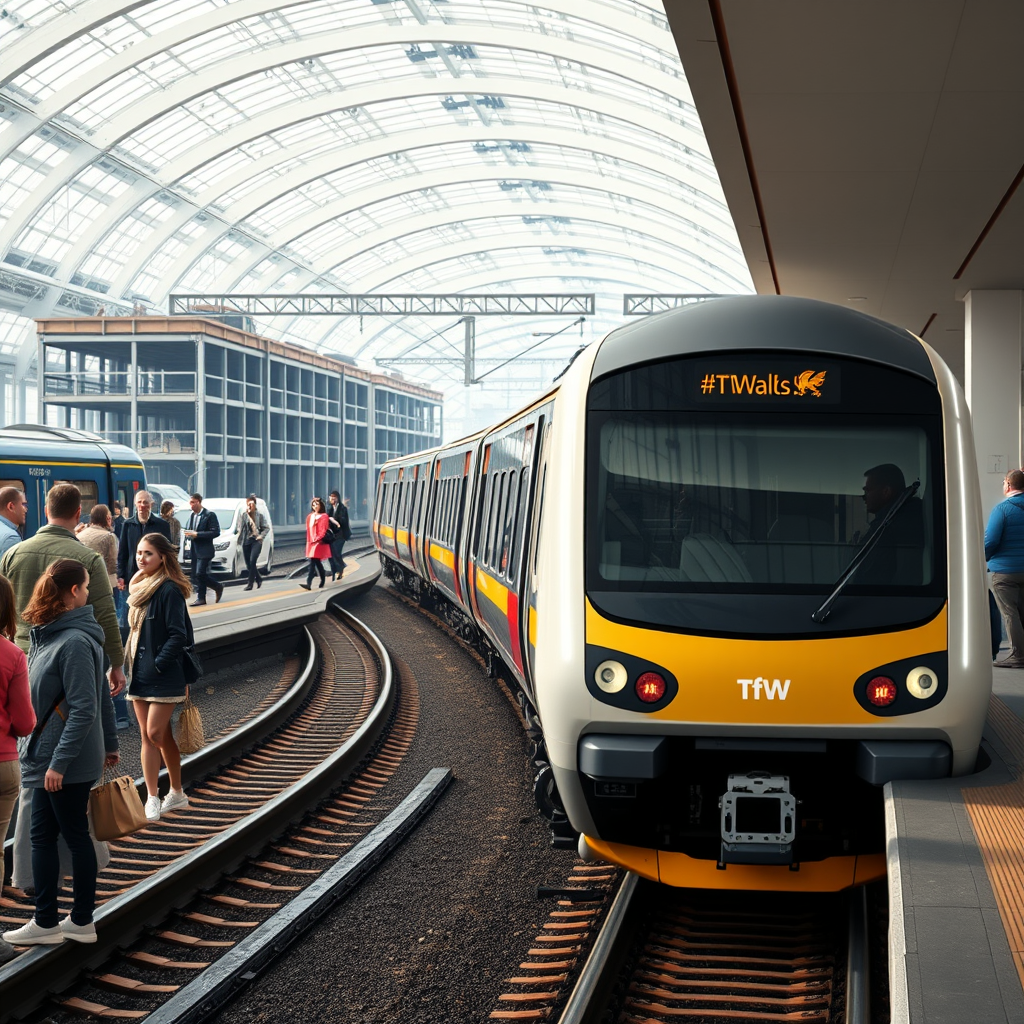
This article examines the recent timetable revisions announced by Transport for Wales (TfW), a public organization responsible for Wales’ rail network. The changes, implemented in response to post-COVID-19 travel patterns and budgetary constraints, involve both service reductions and expansions. The analysis will delve into the rationale behind these decisions, considering factors such as passenger demand, cost-effectiveness of public subsidies, and the ongoing modernization efforts of the Welsh railway system. We will explore the impact of these changes on various stakeholders, including commuters, local communities, and the overall sustainability of the rail network. Furthermore, we’ll consider the larger context of these decisions within the wider landscape of UK rail infrastructure investment and challenges. The article aims to provide a balanced perspective on the complexities involved in managing a publicly funded rail network, highlighting the necessary trade-offs between service provision and financial responsibility.
Post-Pandemic Travel Patterns and Service Optimization
The COVID-19 pandemic significantly altered commuting habits, resulting in reduced passenger numbers on many rail services. TfW’s timetable review directly addresses this shift in demand. The decision to reduce or eliminate underutilized services is a strategic response aimed at optimizing resource allocation. This move, while potentially disruptive to some passengers, is justified by the need for efficient use of public funds. By focusing resources on high-demand routes, TfW seeks to enhance the overall reliability and frequency of core services, maximizing the benefit for the greatest number of passengers. This is a crucial aspect of managing a publicly funded transportation system.
Balancing Financial Sustainability and Service Provision
TfW’s announcement emphasizes the delicate balance between providing a comprehensive rail service and ensuring financial sustainability. The statement that “nearly every service…requires public subsidy” underscores the financial realities of operating a rail network. The decision to defer certain service expansions, such as the Cardiff Central to Liverpool Lime Street route, reflects a pragmatic approach to prioritizing projects based on available resources and infrastructure readiness (Network Rail enhancements). This highlights the challenges of balancing ambitious expansion plans with the need for responsible financial management within the constraints of public funding.
Stakeholder Engagement and Decision-Making Process
TfW’s decision-making process involved a multifaceted consideration of various factors. The organization claims to have incorporated stakeholder feedback, analyzed passenger numbers, assessed alternative travel options, and carefully evaluated the cost of public subsidy. This participatory approach attempts to mitigate the negative impacts of service reductions by considering the needs of various stakeholders. Transparency and open communication are vital in ensuring public acceptance of necessary adjustments to the rail network. However, the specific details of this stakeholder engagement process remain to be fully disclosed, leaving room for further scrutiny.
Modernization and Future Investments
Despite the service reductions, TfW remains committed to long-term investments in Wales’ rail infrastructure. The ongoing £800 million ($996 million) investment in new trains and plans for five new stations showcase a dedication to modernizing the network. These investments aim to improve the passenger experience, enhance the overall efficiency of the railway, and support future growth in demand. The juxtaposition of service cuts with significant investment plans demonstrates a strategic approach that balances immediate needs with long-term objectives, reinforcing the organization’s commitment to the future of rail travel in Wales. The recent entry of Alstom into the Welsh market with a London-Wrexham route further supports this commitment to modernization and enhanced services.
Conclusion
The recent timetable changes implemented by Transport for Wales represent a complex balancing act between responding to evolving post-pandemic travel demands, ensuring financial sustainability, and investing in the future of Wales’ rail network. The reduction of certain underutilized services, while potentially controversial, is a pragmatic response to optimizing resource allocation and maximizing the effectiveness of public funding. The deferral of some expansion projects, notably the Cardiff Central to Liverpool Lime Street route, emphasizes the challenges inherent in balancing ambitious expansion goals with realistic budgetary constraints and the readiness of existing infrastructure (Network Rail’s contribution is crucial here). However, the commitment to substantial investments in new trains and stations underscores a long-term vision for a modernized and efficient railway system. The success of these changes will hinge on the transparency of TfW’s decision-making process, ongoing stakeholder engagement, and effective communication with the public. A robust and transparent approach will be vital in maintaining public trust and ensuring that the revised timetable delivers both efficient service and value for taxpayer money. Further scrutiny of the stakeholder engagement process and detailed cost-benefit analyses of the implemented changes would greatly enhance public understanding and acceptance of these crucial strategic decisions.
RELATED POSTS

November 19, 2021 11:00 am
This article explores the Hong Kong–Shenzhen Western Express Railway (HKSWER),...
May 22, 2017 12:44 am
Greenbrier merges with Astra Rail, creating a global railcar powerhouse!...
September 24, 2018 8:04 pm
iPort Rail: Doncaster's game-changing freight terminal boosts UK logistics, slashing...
November 16, 2022 4:32 am
This article analyzes the strong Q3 2022 performance of Canadian...
September 3, 2019 4:44 am
This article analyzes the strategic decision by Titagarh Wagons, an...
January 22, 2026 3:39 pm
SNCB's Mobi 2.0 AI assistant boosts passenger support, understanding questions...