
Tank Car Cleaning: Rail Safety, Efficiency, & Sustainability in Focus
Tank car cleaning practices are crucial for railway safety and efficiency, especially with rising regulations. Modern techniques and equipment ensure compliance and sustainability.
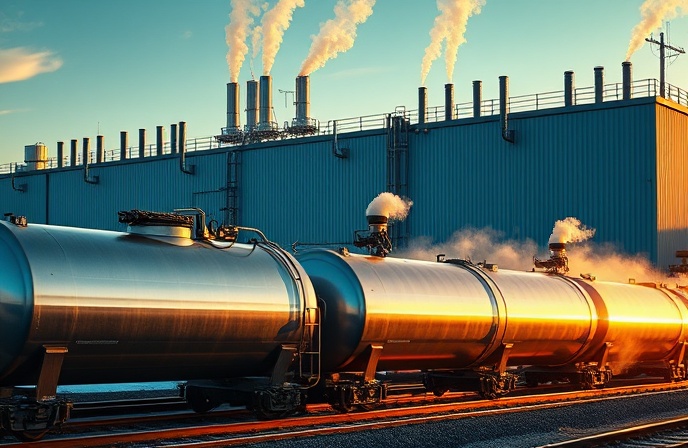
Streamlining Operations: A Deep Dive into Tank Car Cleaning Practices
The railway industry’s efficiency and safety are intrinsically linked to meticulous operational practices. One critical aspect often overlooked is the rigorous process of tank car cleaning. This essential activity, which involves the thorough removal of residual product and contaminants, ensures the safe transportation of a wide variety of commodities, from fuels and chemicals to food-grade products. In today’s dynamic railway landscape, characterized by heightened regulatory scrutiny and growing environmental awareness, understanding the nuances of tank car cleaning is more crucial than ever. This article will explore the key elements of effective tank car cleaning, examining its significance, methodologies, and implications for railway professionals across the industry.
Ensuring Safety and Compliance: The Importance of Tank Car Cleaning
Proper tank car cleaning isn’t merely about aesthetics; it’s fundamentally linked to safety and compliance. Residual product, whether flammable, corrosive, or reactive, can pose significant risks during subsequent transportation. A single contaminated tank car can trigger dangerous incidents, leading to derailments, environmental disasters, and costly liability claims. Furthermore, regulatory bodies like the Pipeline and Hazardous Materials Safety Administration (PHMSA) and the Association of American Railroads (AAR) mandate stringent cleaning protocols for tank cars, enforcing compliance is paramount. Failure to adhere to these standards can result in hefty fines, operational shutdowns, and reputational damage for railway operators. Accurate cleaning minimizes the potential for hazardous materials mixing and reduces environmental impact by preventing leaks or spills during unloading or transportation.
Advanced Cleaning Techniques: Innovations in Tank Car Maintenance
Traditional tank car cleaning methods have evolved, driven by technological advancements and a focus on sustainability. Water blasting, utilizing high-pressure water jets, remains a common approach for removing stubborn residues. However, this method is evolving with the adoption of more efficient water recycling systems to reduce water consumption and environmental impact. Vapor degreasing, employing solvents, has also found application for particularly tenacious contaminants. The development of specialized cleaning robots, offering remote operation and confined-space entry capabilities, is transforming the industry. These robots utilize specialized nozzles and sensors to ensure complete residue removal. Furthermore, the application of ultrasonic cleaning technology, which uses sound waves to dislodge contaminants, demonstrates a potential for more efficient and environmentally friendly tank car maintenance.
Optimizing the Cleaning Process: Equipment, Personnel, and Training
Effective tank car cleaning relies on a combination of state-of-the-art equipment, trained personnel, and rigorous protocols. The selection of cleaning equipment, from nozzles and hoses to tank washing machines, must align with the type of commodity previously transported. Personnel training is essential for safety. Operators must be trained in the proper handling of hazardous materials, PPE (Personal Protective Equipment) utilization, and emergency response procedures. Furthermore, establishing standardized cleaning procedures and inspection checklists is critical to ensuring consistency and quality. The implementation of digital tracking systems, documenting cleaning cycles and inspections, enhances traceability and supports compliance efforts. Comprehensive maintenance programs for all cleaning equipment are vital for ensuring operational efficiency and reducing downtime.
The Future of Tank Car Cleaning: Sustainability and Efficiency
The future of tank car cleaning is intertwined with sustainability and operational efficiency. The industry is witnessing a growing emphasis on environmental responsibility, driving the adoption of green cleaning agents and closed-loop systems to minimize waste and reduce water usage. Digitalization is playing a crucial role, allowing for data analytics to improve cleaning cycles and predict maintenance needs. Moreover, research into advanced materials and coatings for tank cars will reduce the need for frequent cleaning. The convergence of these factors will lead to cleaner, safer, and more sustainable practices, benefiting railway operators and the communities they serve.
Conclusion
In conclusion, the intricacies of tank car cleaning are fundamental to the railway’s efficient and safe operation. From ensuring regulatory compliance and eliminating safety hazards to promoting sustainability and operational efficiency, this critical process demands continuous attention and improvement. Through understanding the challenges and innovations within the industry, railway professionals can minimize contamination, reduce the risk of incidents, and improve the environmental impact associated with railway transport. As the industry evolves, expect increased adoption of automated systems and green technologies that create a safer and more sustainable future for railway tank car operations. Further advances in this area will enhance operational efficiency, drive down costs, and create a more environmentally conscious supply chain.
RELATED POSTS

August 9, 2023 9:59 am
This article explores the transformative impact of Internet of Things...
September 13, 2025 1:30 pm
SBCTA launches first hydrogen fuel cell train on Metrolink's Arrow...
April 27, 2021 7:35 am
This article examines the significant expansion of Bangalore’s metro rail...
October 23, 2025 4:54 pm
The new Fosse Way bridge, part of the HS2 project,...
April 18, 2025 3:38 pm
This article explores the significant advancements in railway technology exemplified...

November 7, 2010 6:00 pm
Deutsche Bahn has extended the bidding deadline to submit pre-qualification...