
SWR Class 444 Refurbishment: A Passenger Experience Upgrade
South Western Railway’s Class 444 refurbishment: A £110 million investment boosting passenger experience with enhanced Wi-Fi, power outlets, and increased capacity – learn how!
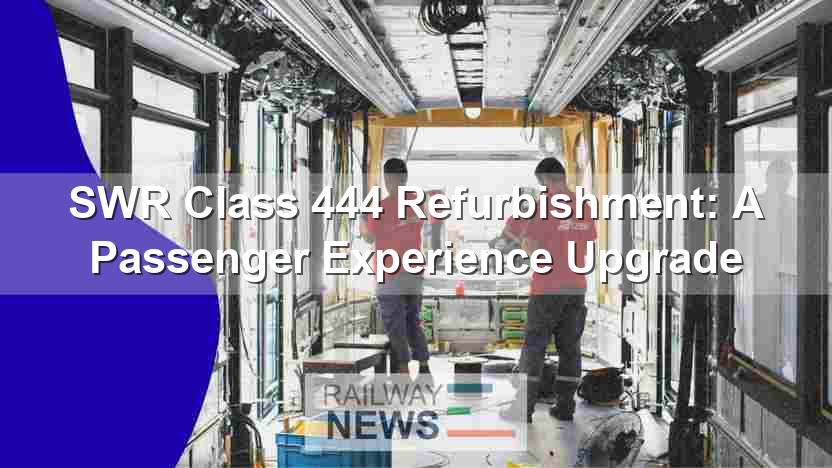
This article examines the significant refurbishment undertaken by South Western Railway (SWR) on its Class 444 Desiro train fleet. The project, part of a larger £110 million investment to modernize its rolling stock, showcases a commitment to enhancing passenger comfort and experience. We will delve into the specifics of the refurbishment, analyzing the technological improvements, the impact on passenger capacity, and the broader implications for the railway industry’s approach to fleet modernization. This case study will highlight the challenges and successes involved in such a large-scale undertaking, providing valuable insights into the complexities of balancing passenger needs with operational efficiency and cost-effectiveness. The improvements incorporated into the Class 444s, such as enhanced Wi-Fi, power outlets, and inductive charging, represent a significant step towards meeting the expectations of modern commuters. This analysis will consider the project’s overall success in achieving its objectives and offer insights into potential future developments in railway passenger service upgrades.
Refurbishment Scope and Technological Upgrades
The core of the SWR’s refurbishment program involved a complete interior reconfiguration of its Class 444 Desiro trains. This wasn’t merely a cosmetic overhaul; it was a strategic upgrade focused on enhancing both passenger comfort and technological capabilities. Siemens Mobility, the manufacturer of the Desiro trains, executed the refurbishment under a €56 million contract. The upgrades included a significant increase in seating capacity, achieved through optimized interior layout and design. Additionally, the project incorporated modern amenities vital for today’s commuters, including improved Wi-Fi connectivity, at-seat power points for charging electronic devices, and the innovative integration of inductive charging tables, primarily in first-class carriages. The addition of real-time information displays further enhances the passenger experience by providing up-to-date journey information.
Passenger Capacity and Service Improvements
The increase in seating capacity is a crucial aspect of this refurbishment. SWR aimed to add nearly 5,000 seats across its entire Desiro fleet. This expansion directly addresses the growing demand for rail travel and helps alleviate overcrowding, particularly during peak hours. The addition of comfortable seating, improved amenities, and real-time information systems contribute to a more pleasant and efficient travel experience. These improvements directly impact passenger satisfaction, potentially leading to increased ridership and a positive reputation for the railway company.
Financial Investment and Strategic Planning
SWR’s investment of £110 million in the refurbishment of its five fleets (including the Desiro Class 444s and Class 450s) demonstrates a long-term commitment to modernizing its infrastructure and improving the passenger experience. This significant financial commitment highlights the importance placed on maintaining a competitive and appealing railway system. The phased approach to the refurbishment, starting with Class 450s and then progressing to the Class 444s, allows for learning and improvements throughout the process. Such strategic planning minimizes disruption and optimizes resource allocation, maximizing the return on investment.
Broader Implications and Future Trends
The SWR Class 444 refurbishment project serves as a valuable case study for other railway operators. It showcases the importance of proactively addressing passenger needs through technological upgrades and capacity improvements. The integration of features such as improved Wi-Fi, at-seat power, and inductive charging reflect broader trends in the rail industry, indicating a growing focus on providing a more comfortable and connected travel experience. The success of this project underscores the potential for positive returns on investment in fleet modernization, boosting ridership and strengthening the railway company’s reputation. This initiative also sets a benchmark for future refurbishment projects, highlighting the importance of strategic planning, technological integration, and passenger-centric design considerations.
Conclusions
The South Western Railway’s refurbishment of its Class 444 trains represents a significant advancement in passenger rail service. The project’s success stems from a multi-pronged approach that seamlessly integrates technological upgrades with capacity enhancements. The investment of £110 million demonstrates a strong commitment to improving the overall passenger experience, with upgrades such as enhanced Wi-Fi, at-seat power outlets, and inductive charging showcasing a forward-thinking approach to modern rail travel. The near 5,000 additional seats across the refurbished Desiro fleet significantly increase capacity, directly addressing the growing demand for rail travel. This case study illustrates the potential benefits of strategic planning and phased implementation in large-scale refurbishment projects, minimizing disruption while maximizing efficiency and return on investment. The success of the Class 444 refurbishment sets a precedent for future modernization endeavors in the railway industry, highlighting the importance of prioritizing passenger comfort and technological integration for a competitive and appealing rail service. The future of rail travel hinges on continuously adapting to passenger needs, and SWR’s initiative serves as a prime example of effective modernization strategies. The project’s success underscores the positive correlation between substantial investment in fleet improvements and a positive impact on passenger satisfaction, potentially leading to increased ridership and revenue generation. The lessons learned from this case study should inform future initiatives across the rail industry globally, emphasizing the importance of strategic planning, technological innovation, and a strong commitment to improving the overall passenger journey.

Railway infrastructure, rolling stock and transport technologies specialist focused on global rail industry developments, high-speed rail systems, signaling technologies and freight transportation. Covering railway investments, public transport modernization, rail operations and international mobility projects across Europe, Asia and North America.
RELATED POSTS
September 6, 2026 5:19 am
Hitachi delivered Taiwan's first N700ST high-speed train from Japan in...

September 5, 2026 4:19 pm
CPK launched formal tender talks with four consortia to design...

September 6, 2026 4:12 am
Alstom delivered the first of 100 new G Class trams...

September 5, 2026 7:14 pm
HS2 Ltd signed renegotiated civils contracts with EKFB and Align...
September 6, 2026 6:17 am
Hungary ordered a national ban on most freight trains from...
September 6, 2026 1:17 am
Hitachi Toshiba Supreme Consortium confirmed the first of 12 N700ST...