
Swiss Air-Rail Network Expansion: Flugzug’s Growth
The strategic partnership between Swiss International Air Lines (Swiss) and Swiss Federal Railways aims to significantly expand their intermodal air-rail service across Switzerland by connecting key cities with Zurich Airport, promoting sustainable transportation options for international travelers.
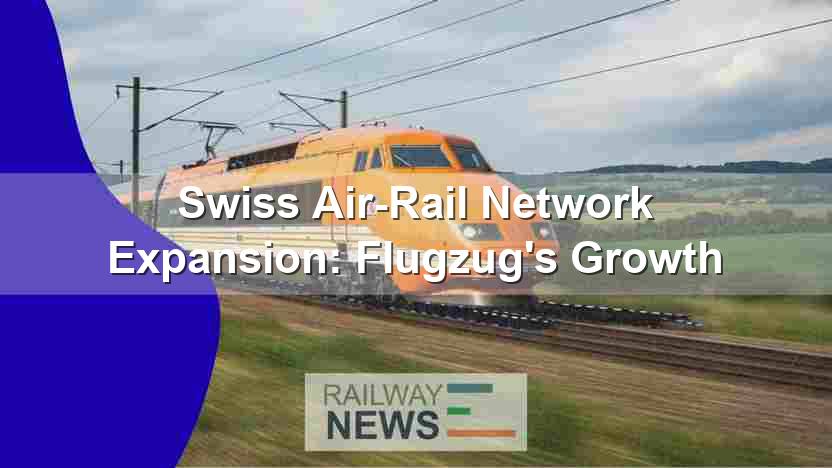
Expanding Switzerland’s Intermodal Rail Network: A Strategic Partnership Between Swiss International Air Lines and Swiss Federal Railways
This article explores the strategic partnership between Swiss International Air Lines (Swiss) and Swiss Federal Railways (SBB) to significantly expand their intermodal air-rail service, known as Flugzug, across Switzerland. The existing Flugzug service, connecting Zurich Airport to Basel and Lugano, represents a successful model for seamless passenger transit between air and rail travel. This expansion aims to leverage the efficiency and environmental benefits of integrated transport systems, addressing growing passenger demand for convenient and sustainable travel options. The initiative’s success relies on a sophisticated integration of scheduling, ticketing, and passenger information systems, requiring close collaboration between the two organizations and a significant investment in infrastructure and marketing. The following sections delve into the rationale, implementation, challenges, and broader implications of this important development in Switzerland’s transportation sector.
The Rationale for Expanding the Flugzug Network
The expansion of the Flugzug service is driven by several key factors. Firstly, there’s a clear and growing demand for integrated travel solutions. Passengers increasingly value the convenience of a single booking process and seamless transfers between different modes of transport. This is particularly relevant for international travelers arriving in Switzerland who require onward connections to destinations beyond major airports. Secondly, expanding the Flugzug network supports Switzerland’s commitment to sustainable transportation. By promoting rail travel over private car usage for onward journeys, the partnership contributes to reducing carbon emissions and improving air quality. Thirdly, the expansion benefits the Swiss tourism sector by facilitating access to popular tourist destinations, such as Interlaken and Zermatt, making them more accessible to international visitors.
Implementation and Route Expansion
The initial phase of the expansion will focus on connecting several key cities and tourist destinations to Zurich Airport via the SBB rail network. These include Bern, Lucerne, Andermatt, Interlaken, and Zermatt, offering improved access for both domestic and international passengers. Additionally, additional routes to Bellinzona and Locarno will strengthen connections to the Ticino region, Switzerland’s Italian-speaking canton. This phased approach allows for a controlled rollout, allowing SBB and Swiss to test and optimize operations before further expansion. The success of this implementation hinges on effective coordination between flight schedules and train timetables to ensure convenient connections and minimize passenger waiting times. This requires sophisticated scheduling algorithms and real-time data sharing between both organizations.
Technological and Operational Challenges
The project faces several operational and technological challenges. Seamless ticketing and booking systems are crucial. Passengers must be able to purchase single tickets covering both air and rail segments, ensuring a simplified travel experience. This requires integrating Swiss’s booking system with SBB’s, requiring considerable technical effort. Effective communication and information sharing are vital to ensure passengers have real-time information regarding connections, potential delays, and platform changes. Real-time updates to the passenger information systems are critical to maintaining a smooth and efficient passenger experience. Additionally, ensuring sufficient capacity on the chosen rail routes is necessary to manage the anticipated increased passenger flow, potentially requiring additional train services or rolling stock upgrades.
Environmental and Economic Impacts
The expanded Flugzug network offers significant environmental and economic benefits. By shifting passengers from private vehicles to rail, the initiative contributes to reducing greenhouse gas emissions, aligning with Switzerland’s environmental sustainability goals. Economically, the improved connectivity will enhance Switzerland’s tourism sector, boost regional economies, and strengthen its position as a global transportation hub. The increased efficiency in passenger transport can also lead to cost savings for both airlines and passengers, creating a win-win situation. The success of this initiative will serve as a model for other countries looking to improve intermodal transportation and promote sustainable travel.
Conclusions
The strategic partnership between Swiss International Air Lines and Swiss Federal Railways to expand the Flugzug air-rail service represents a significant step towards creating a more integrated and sustainable transportation system in Switzerland. The expansion, targeting key cities and tourist destinations, addresses the growing demand for seamless intermodal travel and contributes to reducing carbon emissions. The successful implementation of this initiative relies on overcoming technological and operational challenges, such as developing integrated ticketing systems, ensuring efficient scheduling, and providing reliable real-time information to passengers. The project’s success hinges on effective collaboration between the two organizations, a commitment to technological innovation, and meticulous planning. The benefits are substantial, encompassing environmental sustainability, economic growth, and an enhanced passenger experience. The Flugzug expansion serves as a prime example of how collaboration between different transportation modes can generate mutually beneficial outcomes, setting a precedent for future intermodal initiatives worldwide. The long-term success will be measured not only by ridership numbers, but also by the extent to which it reduces reliance on private cars and promotes environmentally friendly travel choices within Switzerland’s transport landscape. The initiative’s success will be closely monitored and serve as a case study for integrated transportation planning globally, paving the way for similar projects in other nations striving for sustainable and efficient travel solutions.

Railway infrastructure, rolling stock and transport technologies specialist focused on global rail industry developments, high-speed rail systems, signaling technologies and freight transportation. Covering railway investments, public transport modernization, rail operations and international mobility projects across Europe, Asia and North America.
RELATED POSTS

October 1, 2026 7:09 am
United States regulators confirmed a September 30 deadline for the...

October 1, 2026 10:14 am
HS2 installed a 55-metre steel span in Birmingham, completing phase...
October 1, 2026 11:13 am
Norfolk Southern expanded its 3B Corridor in Alabama in 2025,...

October 1, 2026 2:12 pm
Pittsburgh Regional Transit secured an $82.8 million FTA grant to...

October 1, 2026 1:12 pm
CSX expanded Queensgate Yard in Cincinnati by installing 42 power...

October 1, 2026 5:09 pm
Railway Association of Canada confirmed a C$900 million GDP boost...