
Surveillance’s Crucial Role: Modern Rail Safety & Efficiency
Elevate your rail transit system’s safety and efficiency with cutting-edge surveillance. Discover how real-time monitoring and predictive maintenance optimize operations.

The Crucial Role of Surveillance in Modern Rail Transit Systems
Modern rail transit systems are complex and dynamic environments, requiring robust security measures to ensure the safety and efficiency of operations. This article delves into the critical role of surveillance, examining its multifaceted applications from enhancing safety protocols to facilitating operational optimization. From preventing crime and vandalism to enabling real-time monitoring of track conditions and train performance, surveillance systems have become indispensable components of contemporary rail infrastructure. This exploration will analyze the technological advancements, the specific challenges encountered, and the crucial impact of well-designed surveillance strategies on the overall performance and reliability of modern railway networks.
Technological Advancements in Rail Transit Surveillance
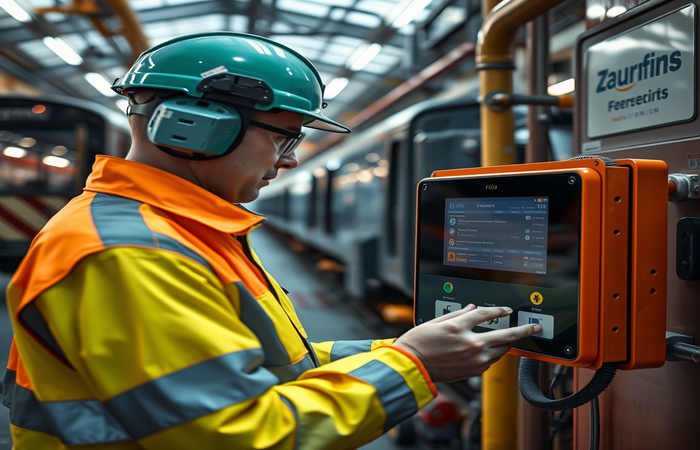
Technological advancements have dramatically improved surveillance capabilities in rail transit systems. High-resolution cameras, equipped with advanced image processing and analytics, can detect anomalies in real-time, such as unauthorized access points, suspicious activities, or obstructions on the tracks. Sophisticated video analytics algorithms allow for precise object recognition, enabling automated responses to potentially hazardous situations. Further enhancements include the integration of sensor technologies, such as vibration sensors and track sensors, with video surveillance systems. This integration allows for the proactive detection and communication of potential track issues and equipment malfunctions.
Enhancing Safety and Security through Surveillance Systems
The primary objective of rail transit surveillance is to enhance safety and security. Surveillance systems play a vital role in deterring criminal activity, such as theft, vandalism, and trespassing. By providing clear visual records, surveillance footage can be instrumental in identifying perpetrators and prosecuting crimes. Furthermore, real-time monitoring of passengers and staff ensures a more secure environment, reducing the risk of incidents. This includes immediate response to suspicious behaviour or emergencies, potentially saving lives. Implementing robust camera systems, coupled with comprehensive data management and storage strategies, provides irrefutable evidence for investigations and prosecutions. The ability to identify individuals quickly and efficiently is crucial in crisis management.
Operational Optimization and Predictive Maintenance Through Surveillance Data
Beyond enhancing safety, surveillance systems contribute significantly to operational optimization. Real-time monitoring of train performance, passenger flow, and platform occupancy enables railway operators to make data-driven decisions for efficient resource allocation and service adjustments. Surveillance systems facilitate predictive maintenance by identifying subtle signs of equipment wear or malfunction. This proactive approach minimizes the risk of breakdowns, reduces maintenance costs, and improves the overall reliability of the transit system. By tracking train movement, dwell times and identifying potential issues, efficient scheduling and maintenance routines can be implemented significantly improving operational efficiency. Continuous data analysis provides insights into potential future problems, facilitating preemptive maintenance measures that help prevent major outages.
The Future of Rail Transit Surveillance: Integration and Data Analytics
The future of rail surveillance hinges on the integration of various technologies. Expanding the utilization of AI-powered analytics enhances the ability to automatically identify critical events and anomalies. Predictive maintenance models, fueled by historical data from surveillance systems, will allow for more precise maintenance scheduling and reduce unplanned downtime. Interoperability between different surveillance systems, including CCTV cameras, rail transit cameras, and sensor networks, is crucial for a comprehensive approach. The seamless sharing of information across departments will enable quicker responses to incidents and reduce operational inefficiencies. This data integration is key to optimizing resource allocation, enhancing emergency response protocols, and creating a safer, more efficient, and reliable rail transit environment. It is essential to prioritize data security and privacy to maintain public trust.
Conclusions
The use of surveillance systems in modern rail transit is more than just a security measure; it is a crucial component of a well-functioning and safe transportation infrastructure. This article has highlighted the multifaceted benefits of these systems, ranging from enhancing safety and security to optimizing operational efficiency and enabling proactive maintenance. Technological advancements have made sophisticated surveillance systems more accessible and affordable, yet they still require careful consideration regarding privacy and data handling. Effective implementation of rail transit cameras requires careful planning, thorough evaluation of needs, and consideration of future needs to adapt to evolving technology and demands. The ability to learn from data, to optimize routes, schedules, and maintenance programs, and to react quickly to incidents and emergencies, is critical to enhancing the passenger experience and upholding the public trust in the rail system. Integrating rail transit cameras with sensor data will further refine predictive maintenance, leading to substantial cost savings and a safer, more reliable rail experience for everyone.
The future of rail transit surveillance is promising, with ongoing developments in AI-powered analytics, predictive maintenance, and interoperability. This convergence of technology and data analysis allows for a dynamic, data-driven approach that proactively addresses challenges and maximizes the efficiency and safety of our rail systems.
You might be interested in:
Last January 2019, we had a great article about the £10.55 million revitalization project for Horden Station, boosting East Durham’s rail network. Click here to read – Horden Station: Revitalizing East Durham’s Rail Network
RELATED POSTS
May 30, 2025 5:01 pm
Railway Safety: A Call for Enhanced Protection in Maintenance Depots...

February 11, 2025 5:34 pm
This article delves into the high-stakes proxy battle unfolding at...
September 30, 2023 8:31 am
UIC Leaflet No: 918-4 – Chapter 9 – Information Technology,...
August 1, 2025 4:33 pm
BNSF opens state-of-the-art intermodal facility in Salt Lake City, boosting...
November 25, 2022 5:29 pm
The Rail Baltic project, a crucial infrastructure initiative connecting Tallinn,...
June 24, 2020 9:54 pm
High-Speed Rail Development in South Korea: The GTX-A Line and...