
Surface Transportation Funding: Amtrak, Rail Infrastructure Future
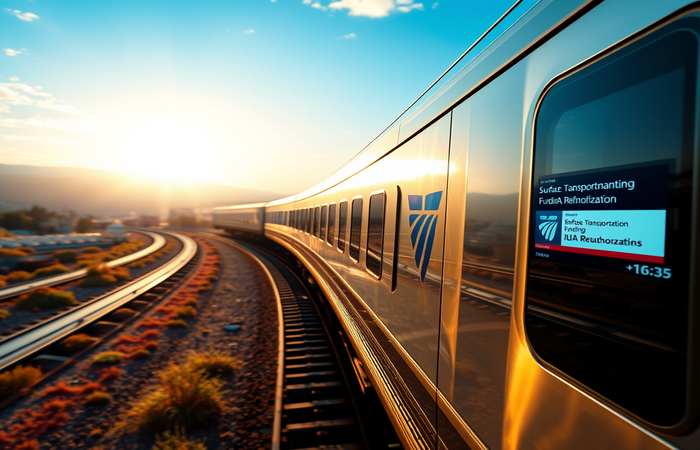
Surface Transportation Funding: A Critical Look at Amtrak and Rail Infrastructure
The future of rail transportation in the United States hinges on the crucial decisions being made regarding surface transportation funding. This article delves into the recommendations put forth by the American Association of State Highway and Transportation Officials (AASHTO), emphasizing the need for sustained and robust financial support for Amtrak’s (AMTRAK – National Railroad Passenger Corporation) national network, the Northeast Corridor (NEC), and various rail grant programs. These recommendations, approved at AASHTO’s recent annual meeting, advocate for maintaining funding levels at a minimum equal to those established by the Infrastructure Investment and Jobs Act of 2021 (IIJA). This examination will explore the importance of these funding initiatives, the specific areas they impact, and the potential consequences of inadequate investment in the nation’s rail infrastructure. The upcoming surface transportation reauthorization legislation is a pivotal moment, and the choices made will significantly shape the landscape of passenger and freight rail for decades to come.
The Pillars of Rail Infrastructure: Funding and Reauthorization
The foundation of a robust and efficient rail network rests upon consistent and adequate funding. The IIJA, which expires in September 2026, currently serves as the cornerstone of surface transportation law. The AASHTO resolutions highlight the necessity of reauthorizing the funding levels outlined within this act. This entails preserving the financial commitment to critical components, including Amtrak’s national network, the NEC, and a variety of rail grant programs. These grant programs are instrumental in modernizing infrastructure, enhancing safety measures, expanding service, and fostering innovation throughout the rail sector. Failing to maintain these funding levels could lead to a stagnation of improvements, potentially impacting service reliability, safety standards, and the ability of rail to compete with other modes of transportation.
Specific Areas of Impact: A Closer Look at Funding Allocation
The AASHTO resolutions emphasize several key areas that will be directly impacted by the reauthorization of surface transportation funding. The national network, which connects various regions across the country, requires sustained investment to maintain and upgrade tracks, stations, and rolling stock. The NEC, a high-density corridor serving the Northeast, demands dedicated funding to address aging infrastructure, improve capacity, and implement advanced signaling systems like Positive Train Control (PTC – a system designed to prevent train-to-train collisions, over-speed derailments, and incursions into work zones). Furthermore, rail grant programs provide crucial financial assistance for state-led rail projects, including the development of new lines, the expansion of existing services, and the implementation of safety enhancements. The preservation of these funding allocations is essential to ensure that the rail network can meet the growing demands of both passenger and freight transport.
The Multifaceted Benefits of Robust Rail Investment
Investing in rail infrastructure yields a multitude of benefits that extend far beyond the immediate improvements to the transportation network. Enhanced rail service can alleviate traffic congestion on highways, thereby reducing travel times and lowering greenhouse gas emissions. Improved safety features, such as PTC systems, significantly reduce the risk of accidents, protecting both passengers and railway employees. Modernizing infrastructure can also lead to increased economic activity, as efficient transportation corridors facilitate the movement of goods and services, supporting business growth and job creation. Additionally, a thriving rail system offers an attractive and sustainable alternative to air travel and private automobiles, contributing to a more environmentally friendly transportation ecosystem.
Conclusion: Securing the Future of Rail Transportation
The decisions regarding surface transportation funding, particularly the reauthorization of the IIJA, are of paramount importance to the future of rail in the United States. The AASHTO recommendations underscore the need to maintain, at a minimum, the existing funding levels for Amtrak’s national network, the NEC, and various rail grant programs. Sustaining these investments is critical for maintaining and upgrading infrastructure, enhancing safety protocols, expanding service offerings, and fostering innovation within the rail sector. Insufficient funding poses a significant risk, potentially leading to service disruptions, safety concerns, and a diminished capacity to compete with other modes of transportation. As Congress deliberates on the reauthorization legislation, it is crucial to prioritize robust financial support for rail infrastructure. Doing so will not only preserve the existing benefits of a modern rail network but also unlock opportunities for enhanced connectivity, economic growth, and a more sustainable transportation future for the entire nation. The investment in rail is an investment in the future, one that will generate returns for generations to come.
**Country and Date:** United States – Date of the news is not specified in the article.
**Summary of Companies:**
* **Amtrak (National Railroad Passenger Corporation):** The primary provider of intercity passenger rail service in the United States.
* **American Association of State Highway and Transportation Officials (AASHTO):** An organization representing state transportation departments, advocating for transportation policy and funding.
RELATED POSTS
Union Pacific earned an 80% top Class I railroad intermodal...

March 6, 2026 12:10 pm
Consortium Announces Digital Services Platform for UK Rail Sector A...
March 5, 2026 7:57 pm
Banedanmark launched battery train operations on Denmark's 67 km Skjern–Holstebro...
March 5, 2026 4:23 am
Renfe suspends Spain rail services on Madrid-Andalusia corridor until February...
March 4, 2026 10:12 am
Amtrak and Siemens deploy 8 Airo trains for the U.S....
March 6, 2026 4:07 pm
Digital Subscription Market Analysis Q1 2026 Analytics firm Antenna confirmed...