
STV’s GLX Rail Extension: Boston’s Transit Advancements
STV’s expertise spearheaded the $1.3B MBTA Green Line Extension, transforming Boston transit. Discover how this massive light rail project overcame complex urban challenges!
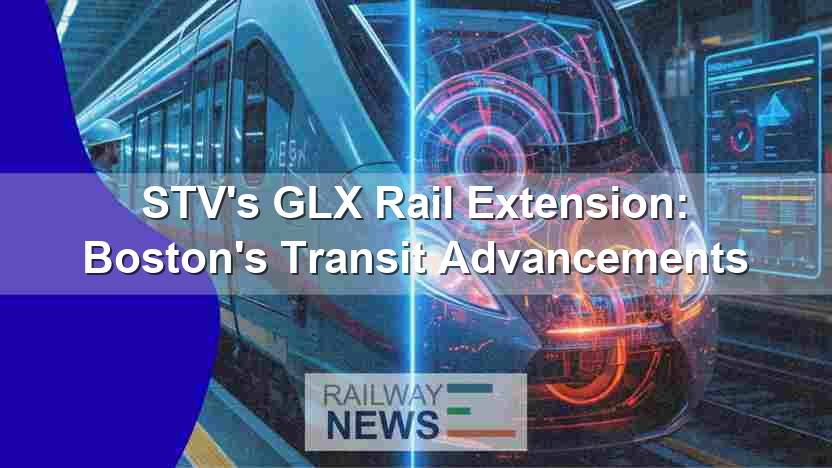
This article examines the significant undertaking of extending the Massachusetts Bay Transportation Authority’s (MBTA) Green Line, a $1.3 billion project spearheaded by STV, a leading US-based transportation design firm. The Green Line Extension (GLX) project, encompassing 4.3 miles of new light rail, represents a complex interplay of engineering, design, community engagement, and political considerations. This analysis explores the project’s scope, challenges, and its potential impact on the greater Boston area, focusing on the role of STV as the lead designer within the GLX Constructors joint venture. The article will also explore the broader implications of such large-scale transit projects and the vital role of effective planning and execution in achieving successful outcomes. The intricate details of this project provide valuable insights into modern light rail construction and the multifaceted challenges involved in expanding existing transit networks within established urban environments.
The GLX Project: Scope and Significance
The GLX project is not merely an extension; it represents a significant expansion of the MBTA Green Line, bringing light rail service to the underserved communities of Cambridge, Somerville, and Medford. The 4.3-mile extension will drastically improve accessibility to downtown Boston, offering a “one-seat ride” and reducing reliance on personal vehicles. This is crucial for mitigating traffic congestion and improving air quality within the region. The project encompasses the construction of six new stations, a new vehicle maintenance facility, an administration building, a relocated station, a viaduct, six bridges, and a community path. The scale of this undertaking underscores the complexity involved in integrating new infrastructure into an existing urban landscape.
STV’s Role and Expertise
STV, as the lead designer within the GLX Constructors joint venture (a partnership including Fluor, Middlesex, Herzog Contracting, and Balfour Beatty), brings extensive experience in large-scale transportation projects. Their previous work with the MBTA, including the North Station Transportation Improvement Project (which involved converting an elevated section of the Green Line into a tunnel), demonstrates their capacity to handle challenging engineering feats. The selection of STV highlights the importance of choosing experienced and capable design firms to navigate the logistical and technical complexities of such projects. STV’s involvement emphasizes the importance of a robust design phase to ensure the success of the overall project. Their expertise in managing design challenges, integrating community needs, and adhering to stringent project timelines and budgets is crucial to the timely and efficient completion of the GLX project.
Community Engagement and Project Challenges
The GLX project has faced numerous challenges, including lengthy planning periods (nearly two decades of community engagement) and navigating the complexities of working within existing urban areas. Successful community engagement is critical in mitigating public concerns and building support for such large-scale projects. STV’s recognition of the community’s long-standing involvement emphasizes the importance of fostering transparency and collaboration throughout the design and construction phases. Addressing community concerns, integrating local feedback, and ensuring the project benefits the communities it serves is paramount to the overall success.
Technological and Engineering Innovations
The GLX project incorporates a range of technological and engineering advancements. The design and construction of the viaduct, bridges, and stations necessitate sophisticated engineering solutions to ensure structural integrity, safety, and efficient operation. The new vehicle maintenance facility and associated infrastructure require careful planning to ensure the smooth operation and maintenance of the light rail system. This project showcases the latest innovations in light rail technology, materials science, and sustainable construction practices. The incorporation of environmentally friendly materials and construction techniques also reflects the growing emphasis on sustainable transportation solutions.
Conclusion
The MBTA Green Line Extension project, with STV at its design helm, exemplifies the scale and complexity of modern light rail expansion projects. The $1.3 billion investment highlights the significant financial commitment required to upgrade and expand public transportation infrastructure. The project’s success hinges on effective planning, community engagement, and the expertise of firms like STV. The successful completion of this project will bring substantial benefits to the communities of Cambridge, Somerville, and Medford, improving accessibility to downtown Boston, reducing traffic congestion, and enhancing air quality. The project showcases the crucial role of effective planning and collaboration to ensure that large-scale transit projects deliver on their promised benefits and serve as models for future infrastructure developments. The seamless integration of the new light rail line into the existing network will represent a major success, demonstrating the possibility of successfully expanding public transportation systems within densely populated urban areas. The lessons learned from the GLX project will be invaluable for future large-scale transit projects worldwide, highlighting the importance of meticulous planning, community engagement, and the selection of experienced and capable design and construction teams.

Railway infrastructure, rolling stock and transport technologies specialist focused on global rail industry developments, high-speed rail systems, signaling technologies and freight transportation. Covering railway investments, public transport modernization, rail operations and international mobility projects across Europe, Asia and North America.
RELATED POSTS
September 6, 2026 5:19 am
Hitachi delivered Taiwan's first N700ST high-speed train from Japan in...

September 5, 2026 4:19 pm
CPK launched formal tender talks with four consortia to design...

September 5, 2026 7:14 pm
HS2 Ltd signed renegotiated civils contracts with EKFB and Align...

September 6, 2026 4:12 am
Alstom delivered the first of 100 new G Class trams...
September 6, 2026 1:17 am
Hitachi Toshiba Supreme Consortium confirmed the first of 12 N700ST...
September 6, 2026 6:17 am
Hungary ordered a national ban on most freight trains from...