
Strasbourg’s New Citadis Trams: A Green Revolution
The Eurometropole of Strasbourg’s contract with Alstom for the supply of modern Citadis trams signifies a significant investment in upgrading Strasbourg’s urban transport infrastructure, highlighting trends towards sustainable and passenger-centric public transportation solutions.
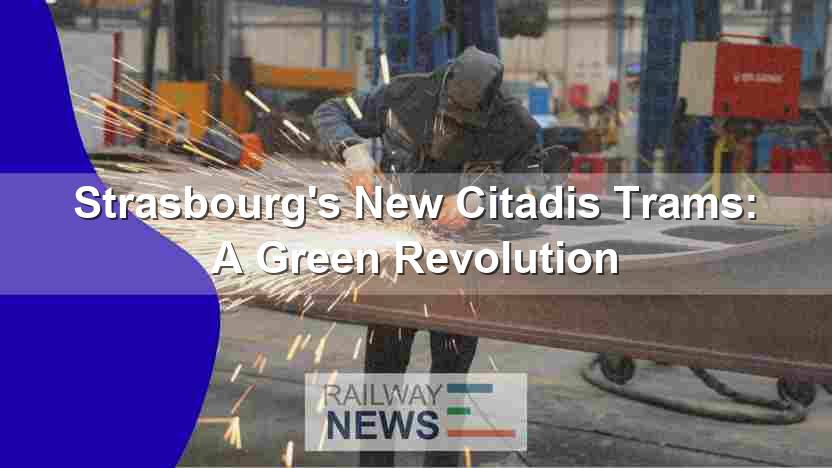
This article examines the recent contract awarded to Alstom by the Eurometropole of Strasbourg and the Compagnie des Transports Strasbourgeois (CTS) for the supply of new Citadis trams. The agreement signifies a significant investment in modernizing Strasbourg’s urban transport infrastructure and highlights the ongoing trend towards sustainable and passenger-centric public transportation solutions. We will delve into the specifics of the contract, analyzing the features of the new trams, their technological advancements contributing to energy efficiency and reduced maintenance, and the broader implications for urban transit planning. Further, we will explore the collaborative efforts involved in the manufacturing process, showcasing Alstom’s extensive network of French facilities and their contributions to the project. Ultimately, this analysis will underscore the importance of strategic partnerships and technological innovation in shaping the future of efficient and environmentally responsible urban mobility.
The Strasbourg Tram Modernization Project
The Eurometropole of Strasbourg’s decision to select Alstom’s Citadis trams reflects a commitment to upgrading its existing light rail network. The initial order encompasses 12 trams, with a subsequent order of 10 more, representing a substantial expansion of the city’s fleet. This phased approach allows for a gradual integration of the new vehicles into the existing system, minimizing disruption to service and enabling effective operational adjustments. The selection of Citadis trams, known for their reliability and advanced features, underscores the city’s focus on providing high-quality public transportation to its citizens. The eight-year framework agreement further provides the flexibility to order additional trams as needed, catering to future expansion plans and population growth.
Technological Advancements in the Citadis Trams
The new Citadis trams boast a range of technological improvements designed to enhance passenger experience and operational efficiency. These advancements include a state-of-the-art air-conditioning system, a modern passenger information system providing real-time updates and route information, and a detailed video protection system ensuring passenger and vehicle security. Crucially, the trams incorporate energy-efficient features such as 100% LED lighting and new motorization technology, resulting in a projected reduction in energy consumption of at least 20%. This focus on sustainability aligns with Strasbourg’s environmental goals and contributes to a greener urban transport network. Additionally, the trams’ design prioritizes accessibility for passengers with reduced mobility (PRM), featuring appropriately positioned door opening buttons, wider seating areas, and designated spaces for wheelchairs and strollers.
Manufacturing and Supply Chain
The project highlights the extensive manufacturing network within Alstom. Nine Alstom sites across France are involved, demonstrating a commitment to domestic manufacturing and regional economic growth. This distributed manufacturing model leverages the specialized expertise of each site. La Rochelle handles design and final assembly; Le Creusot supplies the bogies (wheeled chassis); Ornans manufactures the motors; Villeurbanne provides on-board electronics and cybersecurity systems; Aix-en-Provence contributes tachometric units; and Sens, Gennevilliers, and Saint-Florentin produce brake components. Saint-Ouen plays a vital role in design engineering. This collaborative approach ensures efficient production and quality control, highlighting the benefits of a well-integrated supply chain.
Sustainability and Lifecycle Considerations
Beyond immediate energy savings, the Citadis trams are designed for long-term sustainability. They feature a high degree of recyclability (95%) and reusability (99%), minimizing their environmental impact at the end of their operational lifespan. Additionally, Alstom projects a 30% reduction in maintenance operations over the trams’ 30-year lifespan. This is achieved through fewer spare parts references and improved accessibility of components and sensors for easier maintenance and repair. This reduction in maintenance translates to cost savings for the CTS and reduced downtime, ensuring greater reliability of service for passengers.
Conclusion
The Alstom Citadis tram order for Strasbourg represents a significant step forward in urban transportation. The project showcases a successful combination of technological advancement, commitment to sustainability, and efficient manufacturing practices. The trams’ innovative features—including energy efficiency measures, accessibility enhancements, and advanced passenger comfort systems—demonstrate a focus on creating a positive passenger experience while minimizing the environmental impact. The phased rollout of the trams allows for effective integration into the existing transport network, and the long-term framework agreement provides flexibility for future expansion. The collaboration between Alstom and the Eurometropole of Strasbourg, involving multiple Alstom sites across France, highlights the importance of strategic partnerships in delivering modern, sustainable, and efficient public transportation systems. The projected reductions in energy consumption and maintenance costs further demonstrate a commitment to long-term economic and environmental responsibility. Ultimately, this project sets a strong example for other cities seeking to modernize their public transit systems, emphasizing the importance of prioritizing both technological innovation and sustainability in urban planning. The success of this project will likely serve as a model for future initiatives in sustainable urban mobility across Europe and beyond.

Railway infrastructure, rolling stock and transport technologies specialist focused on global rail industry developments, high-speed rail systems, signaling technologies and freight transportation. Covering railway investments, public transport modernization, rail operations and international mobility projects across Europe, Asia and North America.
RELATED POSTS
June 2, 2026 8:44 am
⚡ In Brief: The UK Office of Rail and Road...
June 2, 2026 10:31 am
⚡ In Brief: The UK’s Office of Rail and Road...
June 2, 2026 11:37 am
⚡ In Brief: The UK’s Office of Rail and Road...
June 1, 2026 6:57 pm
Amtrak confirmed the delivery of its first Airo trainset for...
June 4, 2026 6:22 pm
Network Rail and HS2 demolishes two strategic rail bridges, Saltley...
June 1, 2026 10:58 pm
MARTA completed 8 Atlanta station upgrades and new Breeze fare...