
Star Alliance & ÖBB: Seamless Air-Rail Travel
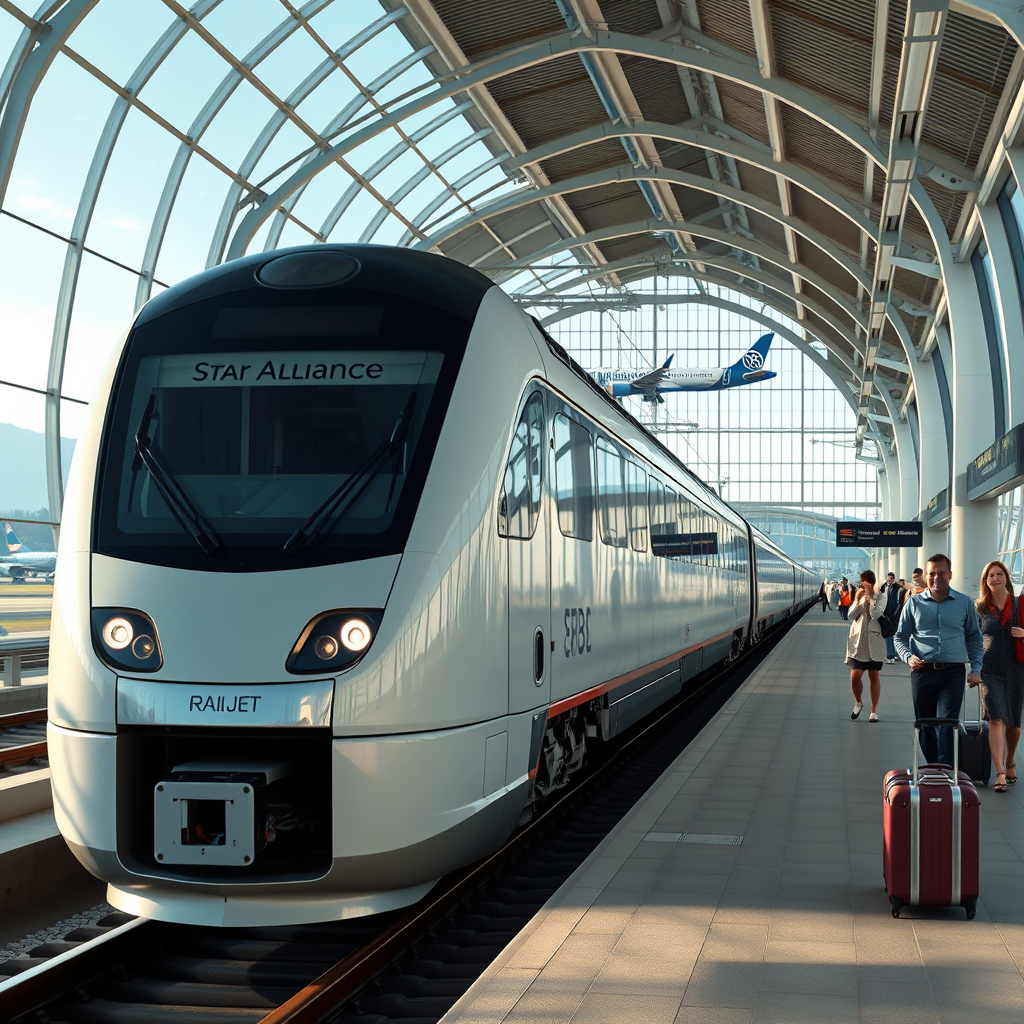
This article explores the strategic partnership between Star Alliance (a global airline alliance) and Österreichische Bundesbahnen (ÖBB) (Austrian Federal Railways), focusing on its implications for enhancing air-rail connectivity in Austria and beyond. The collaboration signifies a significant step towards seamless intermodal travel, leveraging the strengths of both air and rail networks to offer passengers a more efficient and convenient travel experience. The partnership builds upon a decade-long foundation of successful air-rail integration within Austria, expanding its reach and scope to encompass a broader international network. This analysis will delve into the key aspects of this partnership, including its operational mechanisms, the benefits for passengers, its strategic significance within the broader context of intermodal transportation, and potential future developments in this increasingly important sector of the travel industry. The integration of rail and air travel is crucial for sustainable transportation and reducing the environmental impact of air travel alone. This partnership sets an example for other countries to follow.
Enhanced Intermodal Travel: The Star Alliance-ÖBB Partnership
The core of the Star Alliance and ÖBB collaboration lies in the integration of ÖBB’s Railjet high-speed rail service with Star Alliance’s extensive global flight network. This integration allows passengers to seamlessly transition between air and rail travel, using a single ticket for both legs of their journey. This eliminates the complexities of separate bookings, check-in procedures, and baggage handling, creating a significantly more streamlined travel experience. The partnership utilizes existing infrastructure and expands upon the previously established AIRail service between major Austrian cities and Vienna Airport (VIE). The addition of Star Alliance’s global network extends this convenience to international destinations, effectively turning Austria’s major train stations into gateways for global travel.
Operational Mechanisms and Passenger Benefits
The partnership offers several key benefits for passengers. The most significant is the single-ticket booking system, simplifying the booking process and eliminating the need to manage separate air and rail tickets. Passengers can also enjoy convenient online or in-person check-in facilities at selected ÖBB Travel Centres, further enhancing the convenience. The integration of loyalty programs allows passengers to earn frequent flyer points for their train journeys, adding value to their overall travel experience. The expanded travel options available through this collaboration offer a broader range of choices for passengers planning both domestic and international trips, promoting multi-modal transportation.
Strategic Significance and Future Prospects
The Star Alliance-ÖBB partnership holds significant strategic importance within the broader context of intermodal transportation. It showcases a successful model for integrating air and rail networks, promoting a more efficient and environmentally friendly travel system. The initiative builds upon the existing Star Alliance Intermodal Partnership, which already links the airline alliance’s network with various rail, bus, and ferry systems in other countries. This partnership serves as a powerful example for other countries and transportation companies looking to enhance their intermodal offerings. The success of this model could accelerate the widespread adoption of integrated air-rail travel globally.
Expanding the Model: Lessons Learned and Future Applications
The success of the Star Alliance-ÖBB partnership hinges on several key factors: a pre-existing strong domestic air-rail link (AIRail), the commitment and resources of both major players, and a well-defined operational framework enabling seamless passenger transitions. The integration of loyalty programs is also a crucial element in driving passenger adoption. This model can be replicated in other regions, requiring careful consideration of factors such as the existing transportation infrastructure, the level of cooperation between airlines and rail operators, and the development of efficient ticketing and check-in systems. The future success of this model depends on continued technological advancements in areas such as integrated ticketing platforms, real-time information sharing, and seamless baggage handling, creating truly integrated travel experiences for passengers.
Conclusions
The partnership between Star Alliance and ÖBB represents a significant advancement in the field of intermodal transportation, specifically in air-rail connectivity. By integrating ÖBB’s Railjet service with Star Alliance’s global network, the partnership offers a streamlined and convenient travel experience for passengers, simplifying the booking process, check-in procedures, and baggage handling. This collaboration significantly improves the travel options between key Austrian cities and international destinations, making global travel more accessible. The single-ticket booking system, online and in-person check-in options at OBB Travel Centres, and the integration of loyalty programs all contribute to a superior passenger experience. Beyond the immediate benefits, this partnership serves as a compelling example of how air and rail transport can be effectively integrated to create a more efficient, convenient, and environmentally sustainable travel system. Its success offers valuable lessons and a replicable model for other regions seeking to enhance their intermodal transportation networks. The long-term implications of this partnership extend to promoting sustainable travel practices and setting a new standard for global air-rail connectivity. The collaboration highlights the potential for significant growth in the intermodal transportation sector and the value of strategic partnerships between different modes of transport in creating a more efficient and environmentally responsible travel landscape. The continued success and expansion of this model will undoubtedly shape the future of intermodal travel, driving innovation and setting new benchmarks for the industry.
RELATED POSTS

August 5, 2020 10:37 am
The Expansion of Škoda Transportation’s Pilsen Facility: A Strategic Investment...
May 12, 2022 12:44 am
This article delves into the significant contract awarded to SMH...

July 4, 2025 4:33 am
UK train operators collaborate on Heaton depot maintenance, aiming for...
January 20, 2026 7:39 am
European rail investment faces derailment! Industry warns of funding gaps,...

July 16, 2025 6:33 pm
BNSF launches 3-day expedited intermodal service between Los Angeles and...
November 19, 2022 3:24 am
Digital Transformation in Rail Freight: Innofreight’s Full-Fleet Deployment of Nexxiot...