
Stagecoach Rail Disqualification: Controversy & Analysis
The Stagecoach rail franchise disqualification sparked controversy. Learn how this case highlights crucial transparency and fairness issues in UK rail bidding.
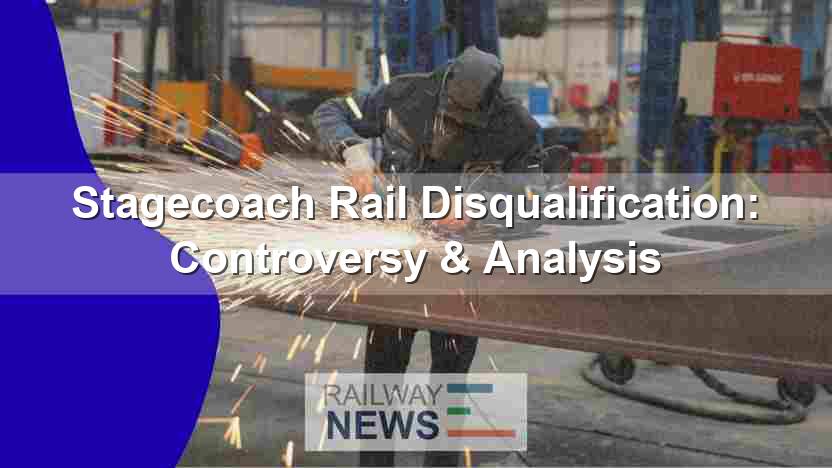
This article examines the disqualification of Stagecoach Group from bidding on three UK rail franchises in 2019. The event sparked significant controversy, raising concerns about transparency and fairness within the Department for Transport’s (DfT) procurement process. We will analyze the circumstances surrounding the disqualification, focusing on Stagecoach’s perspective, the DfT’s response, and the broader implications for the future of rail franchising in the UK. The analysis will delve into the specific concerns raised regarding pension commitments, the impact on public confidence, and the potential legal ramifications of the decision. Understanding this case is crucial for assessing the effectiveness and integrity of the UK’s rail franchise bidding system and its implications for both operators and passengers.
Stagecoach’s Perspective and Concerns
Stagecoach, a major international transport group with significant experience in operating UK rail franchises, expressed deep dissatisfaction with its disqualification. The company’s bids for the East Midlands, South Eastern, and West Coast franchises were deemed non-compliant due to issues related to pension commitments. Stagecoach immediately challenged the DfT’s decision, arguing that the reasons given were insufficient and lacked transparency. In a letter to the DfT, Stagecoach sought a detailed explanation of the disqualification, highlighting its belief that the process was unfair and potentially damaged public confidence in the government’s procurement practices. They expressed their expectation of a prompt, full, and transparent response to address the numerous questions raised regarding the decision. The seriousness of Stagecoach’s concerns is underscored by the suggestion that legal action may be pursued if the DfT’s response was deemed unsatisfactory.
The Department for Transport’s Response
The DfT, in contrast to Stagecoach’s claims, asserted that the company was fully aware of the bidding rules and that their bids were non-compliant due to breaches of established regulations. The DfT placed the onus of disqualification squarely on Stagecoach, highlighting their experience in bidding for rail franchises as a factor that further emphasizes their responsibility. This response essentially rejected Stagecoach’s accusations of unfairness or lack of transparency. The DfT’s statement emphasized that Stagecoach’s non-compliance resulted in their disqualification and that the rules governing the franchise bidding process were correctly applied. This stark contrast in narratives highlights the significant disagreement between the two parties and underscores the need for a thorough and transparent review of the entire process.
Impact on Public Confidence and the Rail Industry
The Stagecoach disqualification had a considerable impact beyond the immediate parties involved. The controversy surrounding the disqualification fueled concerns about transparency and fairness within the DfT’s rail franchise procurement process. The event raised questions about the clarity of the rules, the consistency of their application, and the potential for bias or favoritism. This lack of transparency inevitably erodes public confidence in the government’s ability to manage and regulate the rail industry effectively. The uncertainty surrounding the bidding process may also discourage potential bidders from participating in future rail franchise competitions, leading to less competition and potentially impacting service quality and innovation. This is especially concerning given the critical role of rail networks in the national economy and people’s daily lives.
Analysis and Conclusion
The Stagecoach disqualification case highlights significant challenges within the UK’s rail franchising system. The conflicting narratives between Stagecoach and the DfT underscore a lack of transparency and consistency in the bidding process. Stagecoach’s argument that its disqualification stemmed from a lack of clear guidelines and unfair application of rules deserves serious consideration. The DfT’s counterargument, emphasizing Stagecoach’s experience and knowledge of the rules, does little to address the concerns regarding fairness and transparency. The ultimate outcome of this dispute, whatever it may be, will have significant implications for the future of rail franchising in the UK. Increased transparency, clearer guidelines, and a more robust appeals process are essential to restore public trust and ensure a fair and competitive environment for future franchise bids. The need for independent scrutiny of the DfT’s procurement processes cannot be overstated. Failure to address these issues risks further undermining confidence in the rail industry and potentially hindering improvements in services and infrastructure. Ultimately, a thorough review and reform of the current system are crucial to guarantee a fair and efficient process for both operators and the travelling public. The need for greater clarity and accountability in the bidding process is paramount to ensure a robust and competitive rail network in the UK.

Railway infrastructure, rolling stock and transport technologies specialist focused on global rail industry developments, high-speed rail systems, signaling technologies and freight transportation. Covering railway investments, public transport modernization, rail operations and international mobility projects across Europe, Asia and North America.
RELATED POSTS

September 6, 2026 5:19 am
Hitachi delivered Taiwan's first N700ST high-speed train from Japan in...

September 5, 2026 7:14 pm
HS2 Ltd signed renegotiated civils contracts with EKFB and Align...

September 6, 2026 4:12 am
Alstom delivered the first of 100 new G Class trams...

September 6, 2026 1:17 am
Hitachi Toshiba Supreme Consortium confirmed the first of 12 N700ST...
September 5, 2026 6:17 pm
Universal Signalling won a deal to install its U-Cross system...
September 6, 2026 12:20 pm
Indian Railways ordered a probe after a fire destroyed 2...