
Stadler’s FLIRT Akku: Denmark’s Green Rail Revolution
Introduction
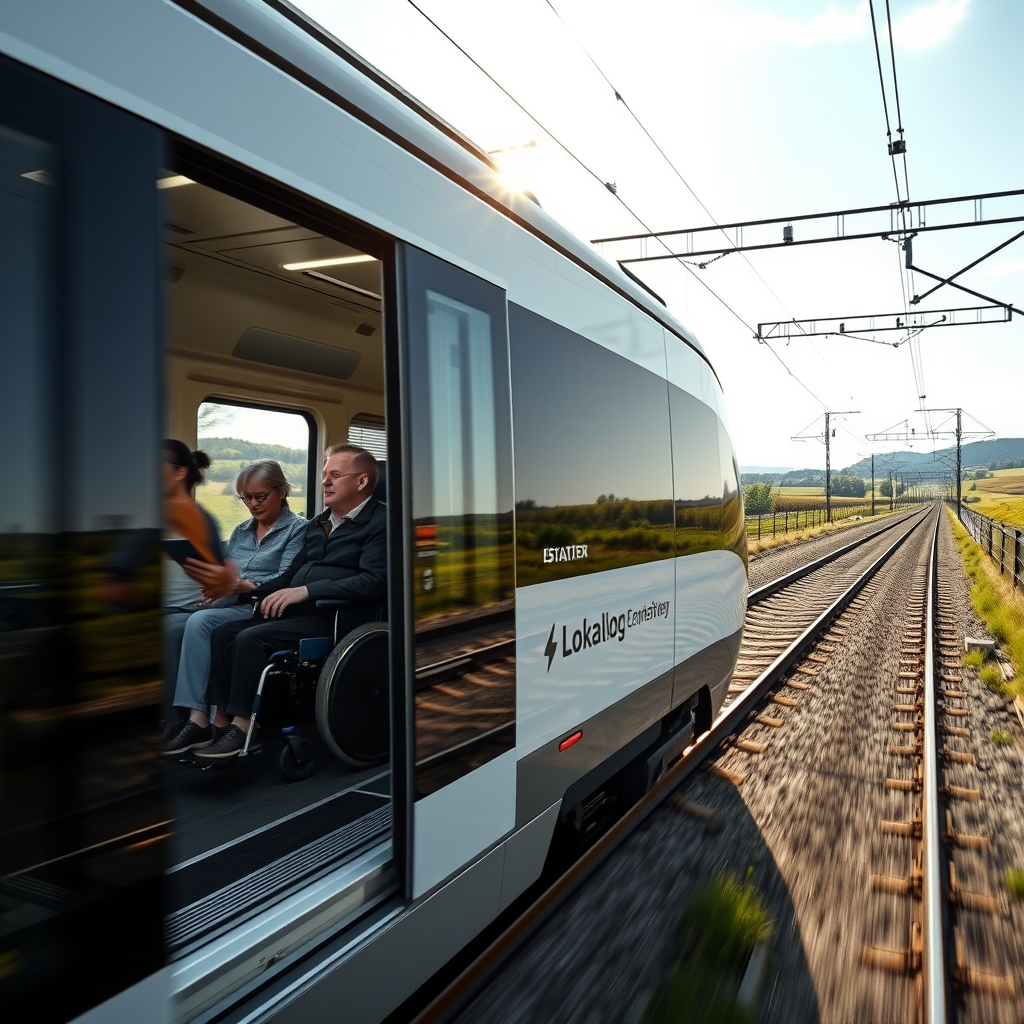
The railway industry is undergoing a significant transformation driven by the urgent need for sustainable and environmentally friendly transportation solutions. This article explores the recent contract awarded to Stadler by Lokaltog (a Danish railway company) for the supply of 14 FLIRT Akku (acronym for “Fast Light Innovative Regional Train” – Battery) battery-powered trains, with an option for ten more. This procurement signifies a substantial step towards decarbonizing the Danish railway network, highlighting the growing importance of battery-electric multiple units (BEMUs) in modernizing rail systems. The selection of Stadler’s technology, renowned for its innovative features and performance, underscores the increasing adoption of advanced, sustainable train designs in Europe. We will delve into the technical specifications of the FLIRT Akku trains, their impact on environmental sustainability, and the broader implications of this contract for the future of railway electrification and decarbonization efforts within Denmark and beyond. The analysis will also consider the accessibility features incorporated in the train design, reflecting a broader commitment to inclusive transportation.
Stadler’s FLIRT Akku Trains: A Technological Advance
Stadler’s FLIRT Akku trains represent a significant advancement in railway technology. These Battery-Electric Multiple Units (BEMUs) offer a compelling solution for lines that lack overhead lines (catenary) or where electrification is impractical or economically unfeasible. The ability to operate both with and without overhead lines provides operational flexibility, enabling deployment on diverse rail networks. The trains’ capacity for on-the-fly recharging, during braking and operational moments, minimizes downtime and maximizes energy efficiency, crucial considerations for optimal service provision. This innovative design significantly reduces reliance on traditional electrification infrastructure, contributing substantially to cost savings and reducing the environmental impact associated with extensive electrification projects.
Environmental Sustainability and Decarbonization
The adoption of FLIRT Akku trains by Lokaltog directly contributes to Denmark’s broader decarbonization goals. By replacing older diesel or less efficient electric trains, this initiative significantly reduces greenhouse gas emissions associated with railway operations. The trains’ reduced carbon footprint aligns with the global push towards sustainable transportation and underscores the railway industry’s commitment to mitigating climate change. The absence of harmful emissions during operation makes them a particularly attractive option for environmentally conscious operators. This project acts as a case study for other railway operators considering similar sustainable alternatives for improving their operational sustainability.
Accessibility and Passenger Comfort
Beyond environmental benefits, the FLIRT Akku trains prioritize passenger comfort and accessibility. Compliance with Technical Specifications for Interoperability (TSI) PRM (Persons with Reduced Mobility) requirements ensures that the trains are fully accessible to all passengers, regardless of mobility limitations. Features such as low-floor entry, wide doors with automatic gap bridges, designated wheelchair and bicycle spaces, and a semi-automatic ramp for wheelchair users demonstrate a commitment to inclusive design. In addition, the provision of air conditioning, a WLAN network, and a modern passenger information system enhance the overall travel experience, providing a more comfortable and convenient journey for all passengers.
Conclusion
The Lokaltog contract for Stadler’s FLIRT Akku trains represents a pivotal moment in the evolution of sustainable railway transportation. The deployment of these battery-powered trains signifies a concrete step towards decarbonizing the Danish railway network, showcasing the effectiveness of BEMUs in reducing emissions and enhancing operational flexibility. The trains’ advanced features, including their ability to operate with and without overhead lines and recharge during operation, address many logistical and environmental challenges faced by railway operators. Moreover, the incorporation of advanced accessibility features demonstrates a clear commitment to inclusive design, benefiting all passengers. The project’s success will likely serve as a compelling example for other railway companies contemplating similar upgrades, accelerating the broader adoption of sustainable and accessible railway technologies. The world record set by a Stadler FLIRT Akku train, covering 224km in battery-only mode, further validates the technology’s capabilities and demonstrates its potential to revolutionize railway operations globally. This procurement reinforces the trend towards sustainable, efficient, and accessible railway solutions, contributing significantly to a greener and more inclusive future for the rail industry.
RELATED POSTS
March 5, 2026 7:57 pm
Banedanmark launched battery train operations on Denmark's 67 km Skjern–Holstebro...
March 4, 2026 10:12 am
Amtrak and Siemens deploy 8 Airo trains for the U.S....
March 5, 2026 1:38 pm
Wabtec finalized its acquisition of Sweden's Dellner Couplers on February...
March 8, 2026 7:56 pm
Wabtec acquires Sweden's Dellner, adding 100,000 passenger rail couplers to...
March 10, 2026 7:54 am
Singapore's LTA mandates multi-system rail upgrades. 20% of operations and...
March 10, 2026 7:45 pm
Alstom expanded its Swedish Stilfold partnership on February 12, 2026,...