
Stadler Wins Aarhus Letbane Contract: 8 Citylink Tram-Trains with Batteries
Aarhus Letbane awards Stadler a contract for eight new Citylink tram-trains, boosting sustainable transport. The deal includes traction batteries and an option for more **rail** units.
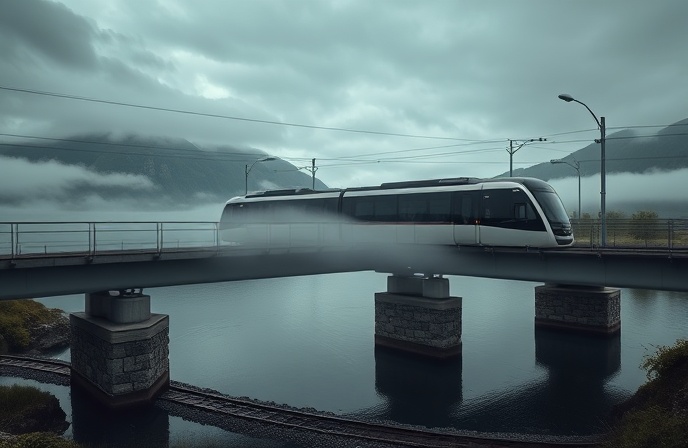
Aarhus Letbane has awarded Stadler a significant contract for eight new Citylink tram-trains, bolstering its sustainable transport capabilities with innovative traction battery technology. The agreement, finalized on December 2, also includes an option for twelve additional units and comprehensive spare parts management.
| Key Entity | Critical Detail |
|---|---|
| Main Company | Stadler |
| Client | Aarhus Letbane |
| Core Action | Contract awarded for 8 Citylink tram-trains with traction batteries |
| Option | 12 additional units |
| Date | December 2 |
| Manufacturing Location | Stadler’s plant in Valencia |
This strategic expansion of Aarhus Letbane’s fleet underscores a commitment to enhancing public transportation and regional connectivity. The new Stadler Citylink vehicles are designed to overcome challenging climatic conditions, notably their ability to operate even with ice on the contact wire, thanks to integrated traction batteries. This feature enhances operational reliability and passenger convenience, integrating urban tram and regional rail lines seamlessly.
Strategic Importance for Sustainable Mobility
The contract signifies a deepening partnership between Stadler and Aarhus Letbane, building on a successful history of collaboration. Iñigo Parra, CEO of Stadler Valencia, highlighted the agreement as a shared vision for sustainable mobility, stating, “Together with Aarhus Letbane, we are committed to developing solutions that make public transport more attractive and accessible. With Citylink, we are supporting Aarhus in its move towards a smarter, greener and fully integrated transport system.” This sentiment is echoed by Mie Krog, Chair of the Board of Aarhus Letbane, who emphasized the fleet expansion’s role in strengthening the light rail as a vital link between urban and rural areas, offering substantial benefits to passengers and the region.
Operational Enhancements and Passenger Experience
The Citylink tram-trains are engineered for versatility and efficiency. Their traction batteries provide operational flexibility, enabling them to traverse both urban tram networks and regional rail lines without the need for passenger transfers. This integration promises a smoother and more appealing public transport experience. The four-car configuration offers a total of 324 seats, including 152 dedicated seats (16 of which are foldable), ensuring ample capacity for passengers. Designed with energy efficiency and low emissions in mind, these vehicles align perfectly with Aarhus’s ambitious sustainability goals.
Accessibility and Regulatory Compliance
In line with modern public transport standards, the Citylink tram-trains fully comply with PRM (persons with reduced mobility) standards. The vehicles feature comprehensive accessibility elements designed to facilitate easy boarding and comfortable travel for individuals with reduced mobility, families with young children, and passengers carrying bulky luggage. This focus on inclusivity ensures that the expanded light rail network serves all members of the community effectively.
Technical Specifications
- Vehicle Type: Citylink tram-train
- Quantity Awarded: 8 units
- Optional Quantity: 12 units
- Key Feature: Traction batteries for ice-affected contact wires
- Configuration: 4-car
- Total Seats: 324
- Dedicated Seats: 152 (including 16 foldable)
- Compliance: PRM standards
Industry Context
Last June 2025, we published an article about Renfe’s railway technology hub. Click here to read – Future of Rail: Renfe’s Railway Technology Hub, Aranjuez: Essential Guide
This contract award by Aarhus Letbane to Stadler represents a significant development in the intermodal transport sector. The increasing demand for flexible, environmentally conscious, and reliable public transportation solutions is driving innovation in tram-train technology. Stadler’s Citylink, with its advanced battery capabilities, positions itself as a leading solution for cities looking to decarbonize their transport networks and expand service coverage efficiently. For industry stakeholders, this signifies a growing market for hybrid and battery-powered rolling stock, highlighting the strategic importance of investing in sustainable technologies to meet evolving urban mobility needs and regulatory pressures.
RELATED POSTS
November 25, 2025 3:01 pm
Bulgaria's Plovdiv rail junction upgrade, a major infrastructure project, is...

September 9, 2016 1:01 am
Alstom's ETCS Level 2 now enhances safety and efficiency on...
November 25, 2017 4:49 pm
Revolutionize your railway freight operations with optimized routes, advanced infrastructure,...
October 10, 2017 11:40 am
High-speed rail is revolutionizing transportation. Discover the cutting-edge propulsion...

October 27, 2015 7:31 am
Metrowagonmash (MWM, an entity of Transmashholding) will overhaul 20 class...
December 16, 2025 1:39 am
PKP Intercity soars with 23% passenger growth, carrying 7.6 million....