
Stadler Wins $215M Swiss Train Contract
Introduction
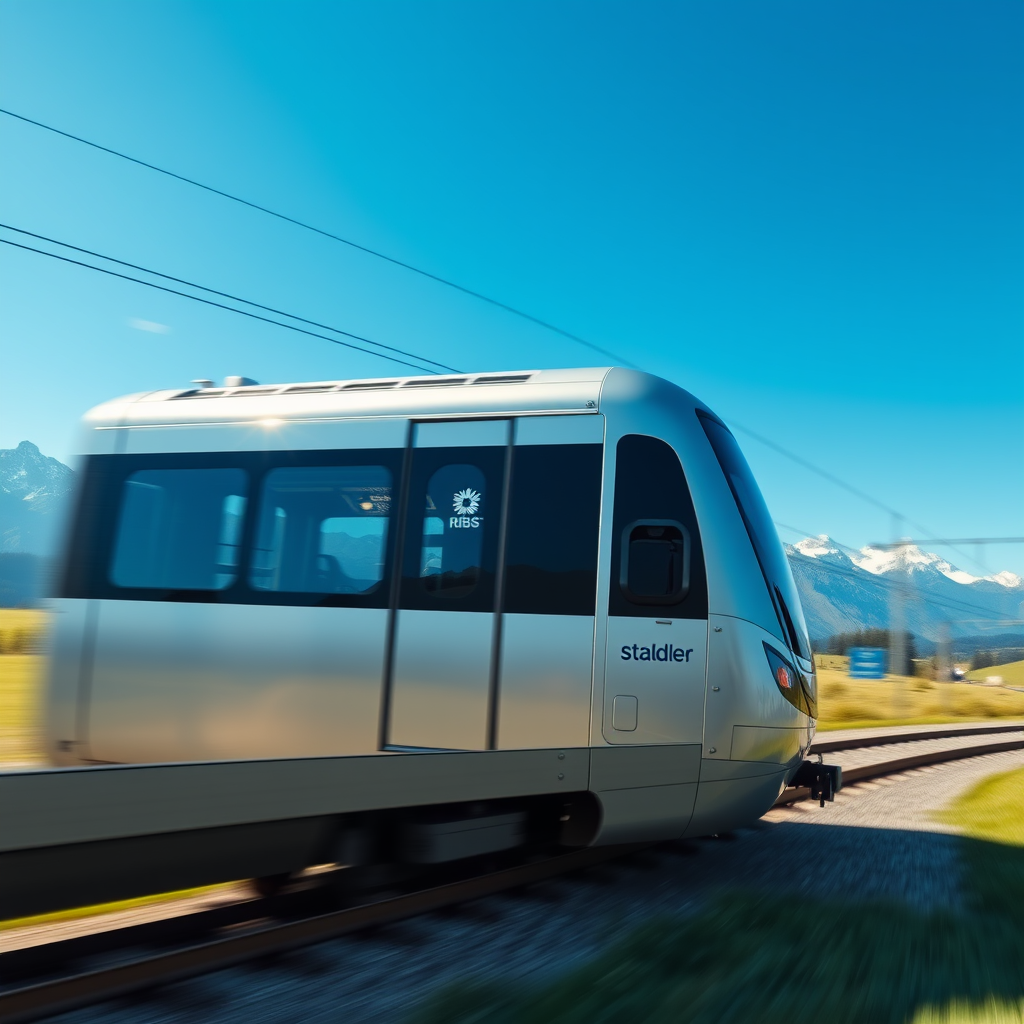
This article examines the significant contract awarded to Stadler, a leading rolling stock manufacturer, by Regionalverkehr Bern-Solothurn (RBS), a Swiss public transport company. The CHF 190 million (approximately $215 million USD) agreement centers on the production and delivery of twenty new multiple-unit (MU) trains for the Solothurn-Bern RegioExpress line (RE5). This procurement signifies a crucial modernization effort for RBS, addressing the challenges posed by an aging fleet of Seconda S-Bahn trains. The contract highlights several key aspects of modern railway procurement, including the emphasis on sustainability, passenger comfort, and technological advancements in rolling stock design. We will delve into the specifics of the contract, the technological features of the new trains, the implications for RBS and Swiss railway operations, and the broader context of Stadler’s expanding role in the European railway market. The analysis will also touch upon the strategic importance of such large-scale investments in upgrading railway infrastructure and rolling stock within the context of sustainable transportation goals.
Stadler’s Contract and the Modernization of RBS’s Fleet
The contract between Stadler and RBS represents a substantial investment in modernizing the rolling stock on the Solothurn-Bern RegioExpress line (RE5). The aging Seconda S-Bahn trains, over 30 years old, suffer from increasing maintenance costs and parts scarcity. This necessitates their replacement with modern, efficient, and reliable rolling stock. The decision to award the contract to Stadler reflects RBS’s confidence in the company’s track record and its ability to deliver a customized solution that meets their specific operational requirements. The tender process, initiated in December 2023, clearly outlined RBS’s needs, resulting in a contract that emphasizes passenger comfort, accessibility, and environmental sustainability.
Technological Advancements and Passenger Experience
The new 60-meter MU trains, capable of operating in triple formations, represent a significant upgrade in capacity. The projected 50% increase in peak capacity directly addresses the growing demand on the RE5 line. Beyond capacity enhancements, the trains incorporate several notable technological and passenger-centric features. These include barrier-free entrances with sliding steps, improving accessibility for all passengers. The enhanced passenger areas feature improved seating arrangements, with 21 first-class seats and 103 second-class seats plus 15 folding seats. All seats are equipped with power sockets, catering to the needs of modern commuters. The integration of eco-friendly air conditioning systems further improves passenger comfort while minimizing environmental impact.
Sustainability and Economic Considerations
The contract’s significance extends beyond the immediate replacement of an aging fleet. The choice of Stadler’s design reflects a commitment to sustainability, a crucial aspect of modern railway operations. While the article doesn’t explicitly detail the trains’ power source, the emphasis on environmental friendliness suggests the adoption of electric traction, a key component of reducing railway’s carbon footprint. Furthermore, the long-term cost savings associated with reduced maintenance and improved reliability should outweigh the initial investment, demonstrating sound economic management by RBS. The contract also demonstrates the economic benefits of such projects, creating jobs both directly at Stadler’s production facilities and indirectly within the broader supply chain.
Conclusions
The CHF 190 million contract awarded to Stadler by RBS for the supply of twenty new multiple-unit trains marks a significant step in the modernization of the Swiss railway system. The replacement of the aging Seconda S-Bahn fleet addresses critical issues of increasing maintenance costs, parts scarcity, and inadequate passenger capacity. Stadler’s winning bid reflects their ability to deliver a solution that meets RBS’s stringent requirements regarding passenger comfort, accessibility, and sustainability. The new trains, with their enhanced capacity, modern amenities, and focus on environmental considerations, will significantly improve the passenger experience and operational efficiency of the Solothurn-Bern RegioExpress line (RE5). The project also exemplifies the broader trend towards sustainable and technologically advanced railway systems throughout Europe. The successful implementation of this contract will serve as a model for future railway modernization projects, highlighting the importance of collaboration between public transport companies and rolling stock manufacturers in achieving ambitious sustainability and modernization goals. The strategic planning and efficient project management showcased by Stadler further solidify their position as a leading player in the global railway market. The successful completion of this project, with the projected delivery by 2029, will represent not only a modernization of the RBS fleet but also a significant contribution to sustainable and efficient public transportation in Switzerland.
RELATED POSTS
April 1, 2026 12:10 pm
Alstom secured a €410 million contract from CFR SA to...
April 1, 2026 4:31 pm
Network Rail upgraded Berrylands station platforms for £6 million, replacing...
April 1, 2026 6:21 pm
Federal Transit Administration awarded $20.6 billion in formula-based apportionments to...
April 1, 2026 8:40 pm
BNSF Railway expands Galesburg, Illinois, yard capacity, with second hump...