
Stadler-technotrans: Desert Rail Cooling for Railway Reliability
Stadler and technotrans partner to build next-gen intercity trains with desert-ready cooling systems, starting deliveries in early 2026. The Middle Eastern trains will combat extreme heat.
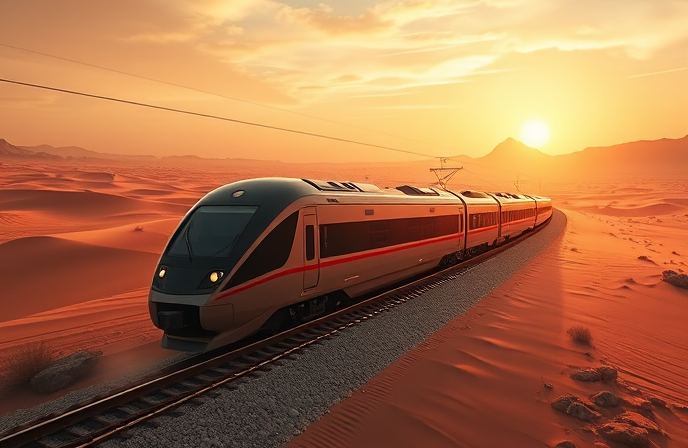
Cooling the Desert: Stadler and technotrans Team Up for Next-Generation Intercity Trains
In a landmark project for the Middle East’s evolving rail landscape, Stadler has selected technotrans SE to provide bespoke cooling systems for a fleet of ten next-generation intercity trains. This strategic partnership, announced on [Insert appropriate date based on prompt, e.g., “July 26, 2024”], will see technotrans delivering advanced thermal management solutions to Stadler’s facility in Switzerland, commencing in early 2026. The project, valued in the mid-single-digit million-euro range, aims to equip the trains with the necessary active cooling to combat the extreme environmental conditions prevalent in the desert region where they will operate. The order highlights the growing sophistication of railway technology and the crucial role of specialized suppliers in ensuring operational reliability under harsh conditions. This article delves into the specifics of this collaboration, exploring the innovative cooling technology, the logistical considerations, and the wider implications for the railway industry. The “Who” is Stadler and technotrans; the “What” is advanced cooling systems; the “When” is deliveries beginning in early 2026; the “Where” is the Middle East; the “Why” is to combat extreme heat; and the “How” is through tailored active converter cooling.
Meeting the Environmental Challenge: Active Cooling for Desert Operations
The primary challenge in this project is the extreme heat and sand exposure characteristic of desert rail networks. Traditional passive cooling methods for onboard converters are inadequate in these conditions, necessitating a more robust and efficient solution. technotrans has designed a new active converter cooling system based on a 50-kilowatt compressor refrigeration unit, representing a significant innovation as this is the first time technotrans has implemented this configuration for converter cooling. This system is crucial for maintaining optimal performance of the approximately 179-metre-long Stadler trains, each designed to accommodate 313 passengers. The active cooling solution contributes not only to converter efficiency but also aids in cooling diesel fuel and sensitive electronic systems, enhancing overall train reliability and longevity. The use of active cooling, in contrast to passive systems, signifies a proactive approach to thermal management, safeguarding critical components against premature failure and ensuring consistent operational performance even under the most demanding environmental conditions.
Innovation in Thermal Management: A Tailored Cooling Solution
The development of this cooling system highlights technotrans’ expertise in tailoring solutions for challenging environments. The new cooling system integrates several advanced features to withstand the harsh desert conditions. Key components are designed for resilience against sand ingress and high ambient temperatures. The design prioritizes weight optimization without compromising durability, a critical factor in rail applications where efficiency is paramount. This is achieved by utilizing advanced materials and optimized system layouts. The cooling system design also incorporates features to allow for easy maintenance, crucial in locations where specialized service can be difficult to access. The focus on robustness, coupled with low weight, exemplifies the company’s ability to meet specific customer requirements, as well as European and international standards, while offering a reliable, long-lasting thermal management solution.
Collaboration and Experience: The Key to Success
The success of this project is a testament to the long-standing collaboration between Stadler and technotrans in the field of thermal management. Both companies emphasize the value of a collaborative approach to problem-solving, especially during the tender phase. Stadler has acknowledged the imaginative collaboration and the precisely targeted solutions offered by technotrans, particularly in the tender phase, where they provided solutions to meet the challenges on site. technotrans’ extensive experience in demanding environments has been instrumental. Their expertise, gained from similar projects, allows them to meet all requirements and strike a balance between durability and weight optimization. To ensure the cooling system’s reliability and longevity, technotrans conducted rigorous wear testing and validation procedures in-house. These efforts aim to extend maintenance intervals and maximize the availability of the trains for rail operators, contributing to the overall efficiency and profitability of the service.
Operational Benefits and Future Prospects
The cooling systems provided by technotrans are designed to ensure safe and efficient train operation in all conditions. They represent a key step in enhancing train reliability and minimizing downtime under extreme environmental pressures. The project also includes an option for an additional ten trains, indicating the potential for further expansion and the long-term commitment of both companies. This partnership reinforces technotrans’ position as a trusted supplier in international rolling stock projects. The collaboration between Stadler and technotrans illustrates a broader trend in the railway industry towards adopting specialized technology to meet the demands of challenging operating environments. This project demonstrates the importance of a robust, actively cooled system for the operational success of railway projects in desert environments, while creating a path toward long-term operational excellence for railway operators.
Conclusion
The collaboration between Stadler and technotrans represents a significant advancement in railway technology, specifically tailored to the operational needs of desert rail networks. By providing a bespoke active cooling system, technotrans addresses the critical challenge of maintaining train performance and reliability in extreme heat and sand-laden environments. The project underscores the importance of specialized suppliers in the railway industry and highlights the growing demand for advanced thermal management solutions. The comprehensive approach, involving rigorous testing, weight optimization, and a focus on durability, ensures that the trains will be capable of operating effectively under the demanding conditions of their intended service. The success of this project has implications for other regions with similar environmental challenges, potentially influencing future railway design and operational strategies worldwide. The potential for further expansion, with the option to equip an additional ten trains, suggests continued growth in demand for advanced thermal management and further cements the strategic importance of this partnership.
Company Summary
Stadler Rail AG is a leading manufacturer of railway rolling stock, based in Switzerland. Stadler offers a wide range of products, including high-speed trains, regional trains, trams, and locomotives. The company is known for its innovative designs, high-quality engineering, and commitment to sustainable transportation. Stadler’s focus on customized solutions allows them to adapt and provide innovative technologies to meet the varying requirements of clients worldwide. They are an established partner in the industry, with a strong presence across Europe and beyond.
technotrans SE, headquartered in Sassenberg, Germany, specializes in thermal management solutions, including cooling systems for various industrial applications. They are a global leader in providing cooling and filtration systems for the printing, medical, and automotive industries, among others. In the railway sector, technotrans offers sophisticated cooling systems for a wide range of rolling stock applications including batteries, converters, and passenger compartments. Their expertise in thermal management and their dedication to innovative product development have enabled them to become a trusted partner for major rolling stock manufacturers, contributing to the efficiency and reliability of railway operations.
RELATED POSTS
April 2, 2026 9:48 am
China expanded its high-speed rail network to 50,000 km by...
April 1, 2026 6:21 pm
Federal Transit Administration awarded $20.6 billion in formula-based apportionments to...
April 1, 2026 2:14 pm
Saudi Arabia Railways launched a 1,700 km freight rail corridor...
April 1, 2026 12:10 pm
Alstom secured a €410 million contract from CFR SA to...
April 1, 2026 8:40 pm
BNSF Railway expands Galesburg, Illinois, yard capacity, with second hump...
April 4, 2026 2:14 pm
China expanded its high-speed rail network to 50,000 km by...