
SSE Enterprise Rail: UK Rail Infrastructure Insights
SSE Enterprise Rail secured a major £200m+ Network Rail contract! This public-private partnership showcases innovative rail infrastructure development.
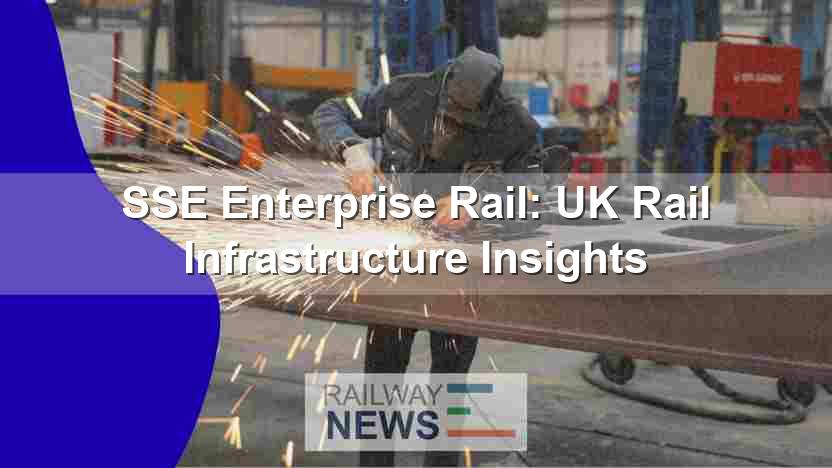
This article examines the significant five-year contract awarded to SSE Enterprise Rail (SSER) by Network Rail (NR), a pivotal development within the UK’s rail infrastructure landscape. The £200m+ agreement, spanning 2019-2024, encompasses building and civil engineering works across a substantial portion of NR’s southern England and Welsh network. This strategic partnership highlights the increasing importance of private sector involvement in maintaining and upgrading the UK’s railway system. We will explore the scope of the contract, its implications for NR’s strategic objectives, the competitive landscape, and the broader context of public-private partnerships (PPPs) in the rail industry. The analysis will delve into the operational aspects of the project, considering SSER’s capacity, geographical reach, and its approach to project delivery, highlighting the significance of this contract for both the contractor and the national rail network.
Strategic Significance for Network Rail
The award of this substantial contract to SSER signifies Network Rail’s strategic shift towards leveraging private sector expertise for large-scale infrastructure projects. By outsourcing a significant portion of its building and civil engineering works, NR can focus its internal resources on strategic planning, regulatory compliance, and oversight of major capital investments. The contract’s focus on the south of England and Wales, including key routes in Wales and the Wessex and London North West regions, underscores the importance of maintaining and upgrading these vital transport corridors. The selection process likely emphasized SSER’s demonstrated capabilities, safety record, and commitment to delivering projects on time and within budget, highlighting the stringent requirements for contractors working on the critical national infrastructure.
SSE Enterprise Rail’s Capabilities and Operational Readiness
SSER’s success in securing this contract underscores its significant capabilities within the UK rail sector. With 3,500 employees spread across 62 offices and depots nationwide, the company possesses the extensive geographical reach and workforce necessary to effectively manage a project of this scale. The company’s established presence, coupled with its expertise in mechanical and electrical engineering services, building services, and fabric works, positions it strategically to deliver complex infrastructure projects efficiently and effectively. The establishment of new offices in Taff Wells, Wales, further exemplifies its commitment to supporting local economies and providing a dedicated operational base for its Welsh projects. This reflects a strategic understanding of local needs and effective resource management.
The Public-Private Partnership Model in Rail Infrastructure
This contract serves as a prime example of a successful Public-Private Partnership (PPP) within the UK rail sector. PPPs allow Network Rail to leverage the specialized skills and resources of private sector companies while maintaining its overarching responsibility for the safe and efficient operation of the national rail network. The framework of the contract likely incorporates robust performance metrics, safety protocols, and regulatory compliance requirements to ensure accountability and alignment with NR’s strategic goals. The successful collaboration between NR and SSER can set a precedent for future PPPs, fostering innovation and efficiency within the rail industry. This model also promotes competition and encourages continual improvement in service delivery.
Future Outlook and Implications
SSER’s ambition to explore further value-adding solutions through asset and project funding, asset ownership, and alliances with organizations like HS2 (High-Speed 2) and Transport for London demonstrates a strategic vision beyond this current contract. This forward-thinking approach aligns with the wider trend of integrated transport planning and the increasing importance of interoperability between different modes of transport. The success of this five-year contract will likely shape future collaborations between NR and private sector companies. It will demonstrate the viability and efficiency of PPPs, potentially leading to further outsourcing of infrastructure projects and fostering a more collaborative and commercially driven approach to rail development within the UK.
Conclusion
The awarding of this substantial five-year contract to SSE Enterprise Rail by Network Rail marks a significant milestone in the evolution of the UK’s rail infrastructure development. The £200m+ agreement underscores the growing reliance on Public-Private Partnerships (PPPs) to deliver large-scale infrastructure projects efficiently and effectively. SSER’s success reflects its considerable capabilities in building and civil engineering, its extensive geographical reach across the UK, and its proven ability to manage complex projects safely and to a high standard. The contract’s focus on the south of England and Wales highlights the strategic importance of maintaining and upgrading these vital transport corridors. The partnership between SSER and NR offers a compelling case study for the successful implementation of PPPs in the rail sector. The focus on collaborative initiatives, such as asset and project funding and alliances with organizations like HS2 and Transport for London, suggests a forward-looking approach to rail development, promoting innovation and the integration of different transport modes. The successful completion of this contract will not only enhance the UK’s rail network but will also likely serve as a blueprint for future PPPs, promoting increased efficiency and encouraging further investment in the nation’s rail infrastructure.

Railway infrastructure, rolling stock and transport technologies specialist focused on global rail industry developments, high-speed rail systems, signaling technologies and freight transportation. Covering railway investments, public transport modernization, rail operations and international mobility projects across Europe, Asia and North America.
RELATED POSTS
September 6, 2026 5:19 am
Hitachi delivered Taiwan's first N700ST high-speed train from Japan in...

September 5, 2026 4:19 pm
CPK launched formal tender talks with four consortia to design...

September 5, 2026 7:14 pm
HS2 Ltd signed renegotiated civils contracts with EKFB and Align...

September 6, 2026 4:12 am
Alstom delivered the first of 100 new G Class trams...
September 6, 2026 6:17 am
Hungary ordered a national ban on most freight trains from...
September 6, 2026 1:17 am
Hitachi Toshiba Supreme Consortium confirmed the first of 12 N700ST...