
Spain’s Rail Network: €6.7M Bridge Maintenance Plan
Introduction
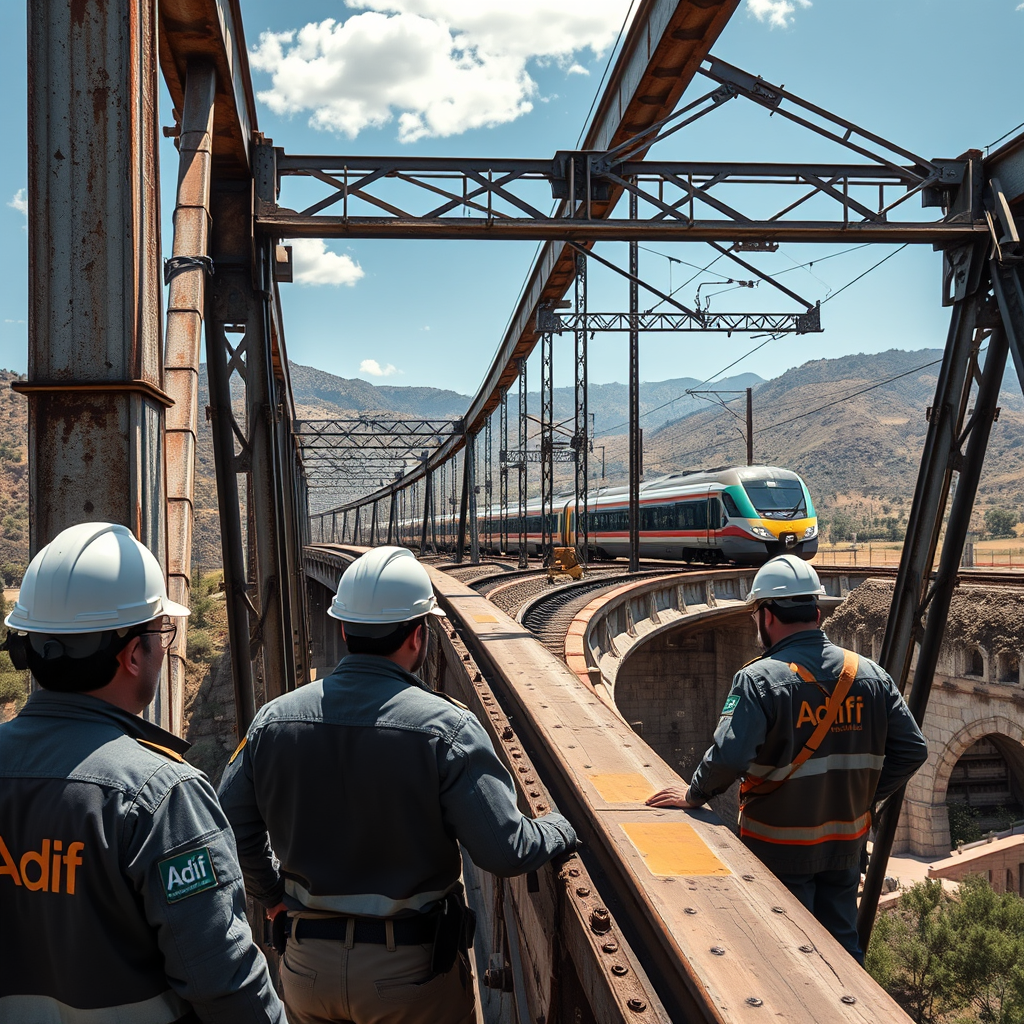
This article delves into the crucial role of bridge maintenance in ensuring the operational efficiency and longevity of Spain’s railway network. Adif (Administrador de Infraestructuras Ferroviarias), the state-owned rail infrastructure manager, has recently announced a significant €6.7 million investment over two years dedicated to the preservation of hundreds of metal bridges across its expansive network. This initiative, aligned with Adif’s 2030 Strategic Plan and the United Nations’ Sustainable Development Goals (SDGs), underscores the importance of proactive infrastructure maintenance for both economic sustainability and environmental responsibility. The investment highlights a broader commitment to preserving the integrity of Spain’s rail infrastructure, impacting not only operational efficiency and safety but also the country’s overall economic competitiveness and its adherence to global sustainability targets. We will explore the details of this plan, its strategic significance, and its implications for the future of rail travel in Spain.
Adif’s Bridge Maintenance Strategy
Adif’s €6.7 million investment signifies a proactive approach to managing the risk of deterioration in its extensive network of metal bridges. This comprehensive plan encompasses a range of crucial activities, including thorough inspections to assess the structural integrity of bridges across both conventional and high-speed lines. The maintenance work itself will involve various interventions such as element renovation, cleaning operations, reinforcement work where necessary, and addressing issues arising from aging and weathering. This multi-faceted approach reflects a shift towards preventative maintenance, aiming to extend the lifespan of these critical infrastructure assets and minimize the risk of costly repairs or even catastrophic failures down the line. The proactive nature of this program is essential for maintaining the operational reliability and safety of Spain’s railway system.
The Scope of the Project and its Impact
While the exact number of bridges included in this refurbishment plan remains unspecified, Adif manages a total of 535 metal or mixed-material bridges. This indicates the substantial scope of the undertaking, emphasizing the importance of regular and rigorous maintenance of these structures. Thirteen of these bridges are integral to Spain’s high-speed rail network, highlighting the critical role bridge maintenance plays in the efficient and reliable operation of this crucial transport mode. The timely execution of this plan is critical to avoid costly disruptions to passenger and freight services. Any failure to properly maintain these bridges could lead to significant delays, increased operational costs, and potentially even serious safety concerns. The extensive nature of this project underscores the commitment to maintaining a robust and safe rail network for Spain.
Alignment with Sustainability Goals
Adif’s investment in bridge maintenance is explicitly linked to its 2030 Strategic Plan and the UN’s Sustainable Development Goals (SDGs). This aligns the initiative with broader global efforts towards sustainable infrastructure development and environmental protection. Specifically, the bridge renovations fall under SDG 9 (Industry, Innovation, and Infrastructure) and SDG 13 (Climate Action). By prioritizing the upkeep of its rail infrastructure, Adif demonstrates a commitment to reducing the environmental impact associated with potential bridge failures, minimizing disruption, and promoting a longer lifespan for the assets. The integration of sustainability considerations into this large-scale infrastructure project sets a positive example for other organizations and reinforces the importance of sustainable practices within the rail industry.
Conclusions
Adif’s €6.7 million investment in the maintenance and conservation of its metal bridges represents a significant step towards ensuring the long-term viability and safety of Spain’s rail network. This proactive approach, encompassing detailed inspections and a comprehensive range of refurbishment activities, is crucial for maintaining operational efficiency and mitigating risks associated with aging infrastructure. The plan’s alignment with Adif’s 2030 Strategic Plan and the UN SDGs underscores the importance of integrating sustainability considerations into infrastructure management. The initiative’s focus on preventative maintenance not only avoids potentially costly emergency repairs but also contributes to a more environmentally responsible approach to managing the country’s vital rail assets. The commitment shown by Adif sets a positive precedent for the rail industry globally, demonstrating that responsible infrastructure management is an integral part of achieving long-term sustainability and economic growth. The success of this project will undoubtedly contribute to the continued safe, reliable, and environmentally conscious operation of Spain’s railway system for years to come. Furthermore, this investment underlines the financial and operational benefits of preventative maintenance, advocating for the adoption of similar strategies by other infrastructure managers worldwide. By proactively addressing potential issues, Adif is securing the future of Spain’s rail network and setting a benchmark for sustainable infrastructure practices.
RELATED POSTS

Union Pacific earned an 80% top Class I railroad intermodal...

March 6, 2026 12:10 pm
Consortium Announces Digital Services Platform for UK Rail Sector A...

March 5, 2026 7:57 pm
Banedanmark launched battery train operations on Denmark's 67 km Skjern–Holstebro...

March 5, 2026 4:23 am
Renfe suspends Spain rail services on Madrid-Andalusia corridor until February...

March 4, 2026 10:12 am
Amtrak and Siemens deploy 8 Airo trains for the U.S....
March 6, 2026 4:07 pm
Digital Subscription Market Analysis Q1 2026 Analytics firm Antenna confirmed...