
Spain Invests €44M in Rail Freight: Eco-Incentives Drive Modal Shift
Spain invests €44.37M in rail freight eco-incentives, nearly doubling the budget to boost modal share and decarbonize transport, aligning with EU goals.
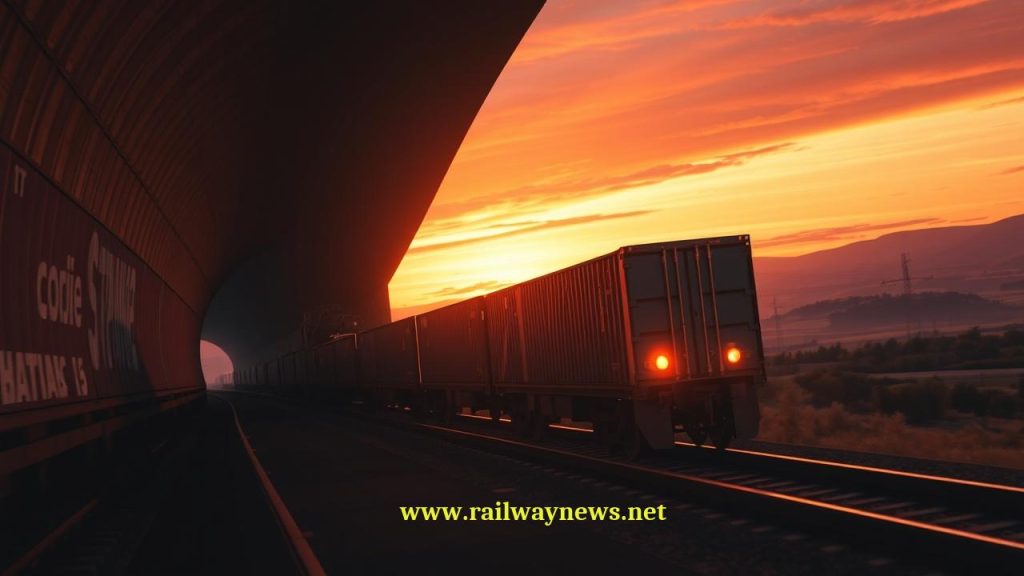
Spain Boosts Rail Freight with €44.37 Million Eco-Incentive Fund to Drive Modal Shift
The Spanish Ministry of Transport has awarded €44.37 million to nine key rail freight operators, nearly doubling the initial budget for the third round of its eco-incentive program. This significant investment, part of Spain’s national Recovery, Transformation, and Resilience Plan (PRTR), underscores a strategic alignment with broader European Union goals to decarbonise transport and industry and accelerate the transition to a net-zero economy.
| Category | Details |
|---|---|
| Total Funding (Round 3) | €44.37 million |
| Key Beneficiaries | Renfe, Captrain España, Continental Rail, Medway, Transfesa, and four others |
| Funding Program | Rail Eco-Incentive Program (PRTR) |
| Performance Metrics | Wagon load factor, locomotive type (electric vs. diesel), and traffic growth in 2024 |
| Strategic Goal | Increase rail freight’s modal share from its current level of less than 5% |
The Ministry’s third call for the rail eco-incentive program has allocated substantial funds to nine public and private companies: Renfe, Captrain España, Continental Rail, Medway, CEFSA, Low Cost Rail, CSP Logitren, Transfesa, and Traccion Rail. The awarded amounts, ranging from €14.7 million down to €9,000, were calculated based on the operators’ demonstrated environmental performance throughout 2024. The overwhelming success and high demand for the program led the ministry to almost double the initial €23.5 million budget, utilizing unallocated funds from previous rounds and other European funding lines to meet the €44.37 million total.
The program’s design directly rewards efficiency and sustainability. The incentive for each operator is determined by a formula incorporating three key variables: the load factor of wagons, the type of traction used (favouring electric locomotives over diesel), and the quantifiable increase in traffic compared to the 2022-2023 average. This performance-based model ensures that the aid is channelled to operators who contribute most effectively to reducing emissions, thereby maximising the environmental impact of the public investment. The program is a core pillar of Spain’s strategy to shift freight from road to rail, tackling the fact that road transport generates 12 times more direct greenhouse gas emissions on non-urban routes.
This rail-focused initiative is a critical component of Spain’s wider decarbonisation strategy, which is heavily backed by the European Union’s Recovery and Resilience Facility (RRF). It operates in parallel with other major green initiatives, such as the recently approved €408 million Spanish scheme to support the decarbonisation of the manufacturing industry under the EU’s Clean Industrial Deal State Aid Framework (CISAF). By funding both cleaner industrial production and cleaner logistics to move those goods, Spain is creating a cohesive, multi-sector strategy to reduce its carbon footprint and dependency on fossil fuels, aiming to significantly rebalance the national freight modal split.
Key Takeaways
- Substantial Funding Increase: The awarded €44.37 million nearly doubles the call’s initial budget, signalling strong demand and government commitment to rail freight.
- Performance-Based Incentives: Funding is not a flat subsidy but is tied directly to measurable environmental metrics like efficiency, traction type, and traffic growth, rewarding the most sustainable operators.
- Strategic Modal Shift Goal: The program is central to Spain’s effort to increase rail’s freight market share, which currently stands at less than 5%, one of the lowest in Europe.
Editor’s Analysis
This move by the Spanish government is more than just a subsidy; it’s a sophisticated, demand-side intervention crucial for the rail freight sector. While large-scale infrastructure projects are vital for long-term capacity, performance-based eco-incentives provide an immediate stimulus for operators to maximize the efficiency and utilization of the *existing* network. By rewarding tangible improvements in load factors and clean traction, the program directly tackles operational economics, making rail a more competitive choice against road haulage today, not just in a decade. This model serves as a powerful case study for other nations on how to accelerate modal shift by incentivizing behavioural change among operators, complementing supply-side investments with smart, results-driven financial support.
Frequently Asked Questions
- Which companies received funding in this round?
- The nine beneficiaries are Renfe, Captrain España, Continental Rail, Medway, CEFSA, Low Cost Rail, CSP Logitren, Transfesa, and Traccion Rail.
- How is the eco-incentive calculated for each operator?
- The amount is calculated based on three main performance criteria: the load factor of the wagons, the type of locomotive used (favouring electric), and the increase in traffic volume during 2024 compared to the average of the previous two years.
- What is the primary objective of Spain’s rail eco-incentive program?
- The main goal is to promote a modal shift of freight from road to rail. This aims to reduce greenhouse gas emissions, improve the environmental performance of the transport sector, and increase rail’s low modal share, which is currently under 5%.

Railway infrastructure, rolling stock and transport technologies specialist focused on global rail industry developments, high-speed rail systems, signaling technologies and freight transportation. Covering railway investments, public transport modernization, rail operations and international mobility projects across Europe, Asia and North America.
RELATED POSTS
September 6, 2026 5:19 am
Hitachi delivered Taiwan's first N700ST high-speed train from Japan in...
September 6, 2026 6:17 am
Hungary ordered a national ban on most freight trains from...
September 6, 2026 1:17 am
Hitachi Toshiba Supreme Consortium confirmed the first of 12 N700ST...

September 5, 2026 4:19 pm
CPK launched formal tender talks with four consortia to design...

September 6, 2026 4:12 am
Alstom delivered the first of 100 new G Class trams...

September 5, 2026 7:14 pm
HS2 Ltd signed renegotiated civils contracts with EKFB and Align...