
Snowdon Railway Goes Hybrid: Eco-Friendly Upgrade
The Snowdon Mountain Railway has upgraded its fleet of diesel locomotives with modern hybrid technology, transitioning to more sustainable and efficient operations through advanced electric propulsion systems, demonstrating a commitment to environmental responsibility while enhancing operational reliability and passenger experience.
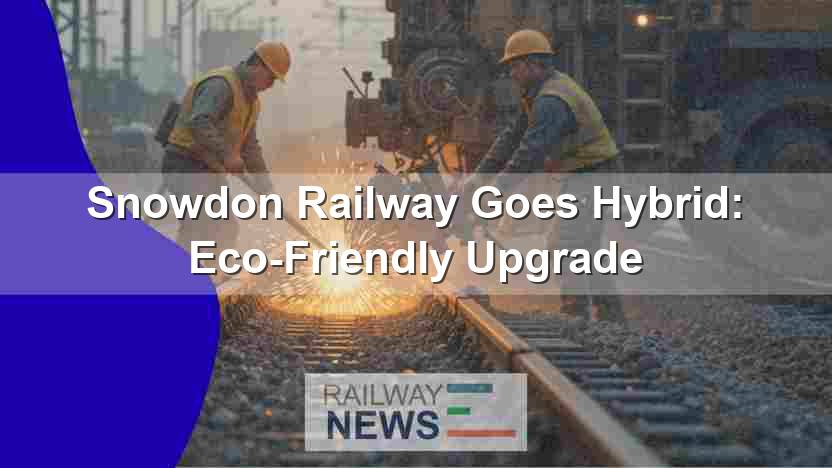
This article explores the significant upgrade undertaken by the Snowdon Mountain Railway (SMR) in Wales, focusing on their transition to a more sustainable and efficient operation through the adoption of hybrid diesel locomotives. The SMR, a heritage railway ascending the highest peak in Wales, has long relied on a fleet of aging diesel locomotives. The decision to replace these with modern hybrid technology represents a substantial investment in the future of the railway, demonstrating a commitment to environmental responsibility and operational improvements. This analysis will delve into the technical specifications of the new locomotives, examining the benefits of hybrid technology in the context of a challenging mountain railway environment, and considering the broader implications of this upgrade for the railway’s operations and passenger experience. Further, we will consider the technological advancements represented by this project and the potential impact on the broader railway industry.
The Need for Modernization
The Snowdon Mountain Railway’s existing diesel locomotives, in service since 1985, had reached the end of their effective operational lifespan. Their age contributed to increased maintenance costs, lower fuel efficiency, and higher emissions. Replacing these aging units was crucial not only for operational reliability but also for meeting increasingly stringent environmental regulations. The railway’s commitment to sustainability, along with the desire to improve passenger capacity and overall efficiency, drove the decision to adopt hybrid technology.
Technical Specifications and Operational Advantages
The two new locomotives, supplied by Clayton Equipment, are 800mm gauge hybrid vehicles powered by a combination of a diesel generator and a traction battery. High-torque, maintenance-free electric motors drive the trains, utilizing the Abt rack and pinion system (a system using a toothed rail and a gear on the locomotive for steep inclines) for traction and braking. A key feature is the regenerative braking system, which recharges the battery during downhill runs, significantly reducing fuel consumption. The Euro Stage 5 compliant engines ensure lower emissions and reduced noise pollution compared to their predecessors. This technological leap allows for enhanced fuel efficiency, decreased environmental impact, and improved operational quietness.
Enhanced Passenger Experience and Operational Capacity
The new locomotives offer a significant increase in passenger capacity, accommodating 12 additional passengers per train. This capacity increase allows the SMR to improve service frequency and potentially expand its operational hours, leading to increased revenue and enhanced passenger satisfaction. The improved comfort and reduced noise levels of the new locomotives further contribute to an enhanced passenger experience.
Technological Advancements and Industry Implications
The SMR’s investment represents a significant advancement in the UK railway industry. These are the first hybrid locomotives of their type designed and built in the UK in over 27 years. This showcases the potential of domestically produced, environmentally friendly railway solutions. The project demonstrates the feasibility and benefits of applying hybrid technology to heritage and mountain railways, paving the way for similar upgrades in other challenging terrains. The success of this project could inspire other railways to explore and invest in similar sustainable and efficient solutions.
Conclusion
The Snowdon Mountain Railway’s transition to hybrid diesel locomotives marks a significant step forward for the railway and the wider UK rail industry. The investment addresses the need for modernization and sustainability, replacing aging diesel locomotives with a technologically advanced, environmentally friendly solution. The choice of hybrid technology, leveraging regenerative braking and Euro Stage 5 compliant engines, demonstrates a commitment to both operational efficiency and environmental responsibility. The increased passenger capacity and improved operational performance contribute to a more efficient and profitable railway operation, enhancing the passenger experience and ensuring the long-term viability of the SMR. The successful implementation of this project serves as a compelling case study, showcasing the benefits and practicality of hybrid locomotive technology in challenging terrains and highlighting its potential for broader adoption within the heritage and mountain railway sectors. The project’s success underscores a vital trend within the rail industry – the move towards cleaner, more efficient, and sustainable operations, promising a positive impact on both the environment and the financial health of railway systems globally.

Railway infrastructure, rolling stock and transport technologies specialist focused on global rail industry developments, high-speed rail systems, signaling technologies and freight transportation. Covering railway investments, public transport modernization, rail operations and international mobility projects across Europe, Asia and North America.
RELATED POSTS

September 5, 2026 4:19 pm
CPK launched formal tender talks with four consortia to design...

September 6, 2026 4:12 am
Alstom delivered the first of 100 new G Class trams...

September 5, 2026 7:14 pm
HS2 Ltd signed renegotiated civils contracts with EKFB and Align...
September 19, 2026 11:19 am
China launched an experimental 1.11-tonne maglev test sled to 800...
September 7, 2026 4:15 pm
Zimbabwe approved the EUR 3 billion Harare Light Rail project,...
September 5, 2026 6:17 pm
Universal Signalling won a deal to install its U-Cross system...