
SNCF’s Avelia Horizon: High-Speed Rail Advancements
SNCF’s €2.7 billion investment in 100 Avelia Horizon high-speed trains revolutionizes French rail. Discover how this next-gen fleet boosts efficiency and passenger experience!
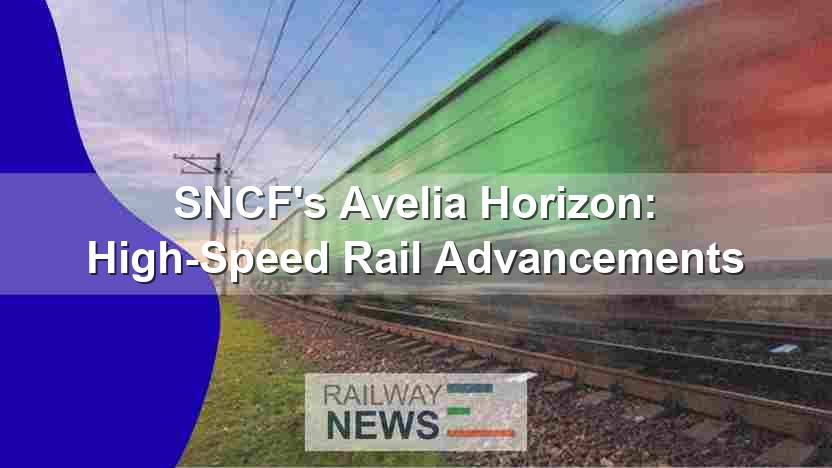
The French national railway company, SNCF (Société Nationale des Chemins de fer Français), has made a significant investment in its future by approving a €2.7 billion contract for 100 next-generation Avelia Horizon high-speed trains from Alstom. This decision represents a substantial commitment to modernizing France’s high-speed rail network and improving the passenger experience. This article will delve into the key aspects of this substantial investment, examining the technological advancements incorporated into the Avelia Horizon trains, the economic implications for both SNCF and the French rail industry, and the long-term strategic benefits for the French railway system. We will also explore the collaborative effort between Alstom and SNCF, crucial in the development and production of this innovative fleet. The implications of this investment extend beyond immediate operational improvements, touching upon broader goals of enhancing efficiency, sustainability, and competitiveness within the European high-speed rail sector.
Technological Advancements of the Avelia Horizon
The Avelia Horizon represents a significant leap forward in high-speed rail technology. The trains, designed jointly by Alstom and SNCF, boast a modular interior design enabling a 20% increase in passenger capacity, accommodating up to 740 passengers in its highest configuration. Each 200-meter trainset comprises two power cars and articulated double-deck coaches, offering increased passenger comfort and space. Key technological features include a regenerative braking system reducing energy consumption by 20%, contributing to environmental sustainability. Additionally, the optimized design of many components promises maintenance cost reductions exceeding 30% compared to previous generations, improving operational efficiency and minimizing downtime. The trains achieve a maximum speed of 350 km/h (217 mph), a maximum output of 8 MW, and a maximum axleload of 17 tonnes, showcasing impressive performance capabilities.
Economic Implications and Job Creation
The €2.7 billion investment represents a significant economic commitment. Alstom reports that the acquisition cost of the Avelia Horizon is 20% lower than its predecessor, indicating strong value for money for SNCF. Beyond the direct financial impact, the project is projected to generate approximately 4,000 jobs across the French rail industry over the following decade, stimulating economic growth and supporting skilled employment within the sector. The reduced maintenance costs and improved energy efficiency also contribute to long-term cost savings for SNCF, enhancing the overall financial viability of the high-speed rail network.
Strategic Benefits for SNCF and the French Rail System
The introduction of the Avelia Horizon trains directly contributes to SNCF’s strategic objectives. Increased passenger capacity addresses growing demand for high-speed rail travel, improving service levels and potentially increasing revenue streams. The enhanced efficiency and reduced maintenance costs improve operational performance, contributing to the overall profitability and sustainability of the railway system. The adoption of environmentally friendly features like the regenerative braking system demonstrates SNCF’s commitment to sustainable transport solutions, aligning with global environmental concerns. Additionally, this significant investment reinforces France’s position as a leader in high-speed rail technology and innovation.
Collaboration and Future Prospects
The successful collaboration between Alstom and SNCF highlights the importance of strong partnerships in the development and deployment of advanced rail technology. This collaborative approach fostered innovation, efficiency, and a shared understanding of SNCF’s needs. The success of this project sets a precedent for future collaborations, promoting the development of further cutting-edge railway solutions. The delivery of the new fleet, scheduled between 2020 and 2023, will significantly enhance France’s high-speed rail network, creating a more efficient, sustainable, and passenger-friendly experience.
Conclusion
SNCF’s approval of the €2.7 billion contract for 100 Avelia Horizon high-speed trains represents a landmark investment in the future of French rail transport. This decision is not merely about acquiring new rolling stock; it’s a strategic move encompassing technological advancement, economic stimulus, and environmental responsibility. The Avelia Horizon trains, embodying significant technological improvements in terms of passenger capacity, energy efficiency, and reduced maintenance costs, promise enhanced operational efficiency and a superior passenger experience. The project’s projected job creation underscores its positive contribution to the French economy, extending beyond the immediate impact on the railway sector. The collaboration between SNCF and Alstom showcases a successful model for public-private partnerships in driving innovation within the rail industry. To summarize, this investment positions SNCF to meet the growing demands of high-speed rail travel, enhancing its competitiveness on a European scale while embracing sustainable practices. The Avelia Horizon represents more than just a train; it symbolizes a commitment to a modern, efficient, and sustainable future for French railways.

Railway infrastructure, rolling stock and transport technologies specialist focused on global rail industry developments, high-speed rail systems, signaling technologies and freight transportation. Covering railway investments, public transport modernization, rail operations and international mobility projects across Europe, Asia and North America.
RELATED POSTS

September 5, 2026 4:19 pm
CPK launched formal tender talks with four consortia to design...

September 5, 2026 7:14 pm
HS2 Ltd signed renegotiated civils contracts with EKFB and Align...

September 6, 2026 4:12 am
Alstom delivered the first of 100 new G Class trams...
September 5, 2026 6:17 pm
Universal Signalling won a deal to install its U-Cross system...
September 5, 2026 11:20 pm
CN confirmed 70 shipper projects entered service in 2025, backed...
September 7, 2026 4:15 pm
Zimbabwe approved the EUR 3 billion Harare Light Rail project,...