
SNCB EV Charging: Belgium’s Sustainable Rail Infrastructure Boost
Belgium’s SNCB railway will install 5,000 EV charging points by 2027, boosting sustainable transport.
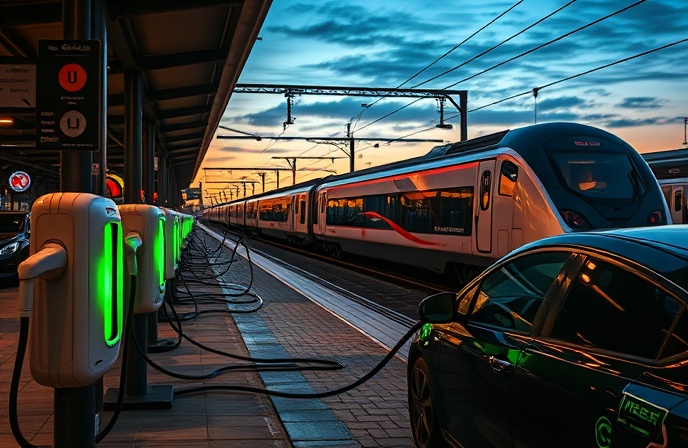
SNCB Charges Ahead: Belgium’s Railway to Deploy Thousands of EV Charging Points
In a significant move towards sustainable transport, Belgium’s national railway operator, SNCB, is embarking on a multi-million euro project to install approximately 5,000 electric vehicle (EV) charging points across its network. This initiative, slated to begin by September 2025 and complete by 2027, will see the deployment of around 2,500 new charging stations at SNCB’s station car parks, each equipped with two charging points. The project, undertaken in partnership with Belgian energy firm EnergyVision, aims to make combining car and train travel more attractive, support the country’s transition to cleaner transport, and improve convenience for EV-driving passengers. This article will explore the scope of this project, the technological implications, and the potential benefits for the railway sector and the broader push for sustainable mobility.
Project Scope and Partner Selection
The ambitious project will expand the existing EV charging infrastructure at 38 stations to encompass all 420 SNCB stations with parking facilities. This represents a substantial investment in infrastructure and demonstrates SNCB’s commitment to supporting the growth of the electric vehicle market. EnergyVision, selected through a public tender, will be responsible for the supply, installation, maintenance, and operation of the charging stations for a decade. EnergyVision’s offering stood out due to its commitment to providing the most competitive tariffs and guaranteeing 100% green electricity for the charging points, ensuring the sustainability of the project aligns with SNCB’s environmental goals. The rollout will occur in phases, targeting completion by 2027.
Enhancing Intermodal Transport and Passenger Experience
The primary driver behind this initiative is to bolster the attractiveness of combining rail and road transport. By offering convenient charging facilities at stations, SNCB aims to alleviate “range anxiety,” a common concern for EV drivers. Passengers can recharge their vehicles while travelling by train, improving the overall passenger experience and encouraging a modal shift from personal vehicle use to public transportation for at least the final leg of their journey. The expanded network aims to reduce wait times by increasing the availability of charging points, especially during peak travel periods. This added convenience could also be a significant incentive for commuters who lack home charging capabilities, making the switch to electric vehicles more feasible.
Technical and Operational Considerations
The successful implementation of such a large-scale project presents several technical and operational challenges. SNCB and EnergyVision will need to coordinate effectively to ensure seamless integration with existing station infrastructure. Power grid capacity at each station must be assessed and potentially upgraded to accommodate the increased demand from the charging stations. The selection of appropriate charging technologies (e.g., AC Level 2 or DC fast chargers) will impact charging speeds and user experience. Monitoring and maintenance systems will be crucial to ensure high availability and reliability of the charging points. Furthermore, smart charging capabilities, allowing for load balancing and demand response, could optimize energy consumption and minimize grid impact. The long-term maintenance contract between SNCB and EnergyVision will be key to the sustainability and efficiency of the charging network.
Industry Impact and Sustainability Goals
This initiative underscores the growing synergy between railway operators and the EV sector. By proactively investing in charging infrastructure, SNCB is positioning itself at the forefront of sustainable mobility and contributing to Belgium’s climate goals. The project serves as a model for other railway companies seeking to reduce their carbon footprint and attract environmentally conscious passengers. The success of this project could spur further investment in intermodal transport solutions and promote wider adoption of electric vehicles. Furthermore, the use of 100% green electricity for the charging stations amplifies the environmental benefits, setting a high standard for sustainable practices within the transport sector.
Conclusion
SNCB’s extensive EV charging network deployment represents a significant stride towards sustainable transport and a commitment to the future of intermodal travel. By partnering with EnergyVision, SNCB is not only enhancing the passenger experience but also directly contributing to Belgium’s decarbonization efforts. The project’s success hinges on several factors, including the efficiency of the rollout, the reliability of the charging infrastructure, and the accessibility of the charging points. The initiative’s success will serve as an important case study for other railway operators worldwide. The anticipated growth in electric vehicle adoption combined with the broader shift towards green energy will likely further strengthen the role of railway companies in creating efficient, sustainable transport networks. Looking ahead, we can expect to see other initiatives that integrate public transit and EV charging in other countries.
Company Summary
SNCB (Société Nationale des Chemins de fer Belges), Belgium’s national railway company, plays a crucial role in the country’s transportation infrastructure, operating passenger and freight rail services. SNCB focuses on improving the sustainability and efficiency of its network and is undertaking various initiatives to make travel more appealing to customers and decrease carbon emissions.
RELATED POSTS

April 1, 2026 8:45 am
Renfe Alquiler finalized a 15-year lease for ex-DB coaches with...

April 1, 2026 12:10 pm
Alstom secured a €410 million contract from CFR SA to...

April 1, 2026 2:14 pm
Saudi Arabia Railways launched a 1,700 km freight rail corridor...

April 1, 2026 5:39 pm
The U.S. Surface Transportation Board proposed a 1.5% annual US...

April 1, 2026 4:31 pm
Network Rail upgraded Berrylands station platforms for £6 million, replacing...

April 1, 2026 6:21 pm
Federal Transit Administration awarded $20.6 billion in formula-based apportionments to...