
Smart Train Stations: AI, Sustainability, and the Future of Rail

Revolutionizing the Passenger Experience: The Smart Train Station of the Future
The railway industry stands at the cusp of a transformative era. For decades, the passenger experience at train stations has remained relatively static. However, advancements in artificial intelligence (AI), robotics, and sustainable energy technologies are poised to revolutionize this landscape. This article explores Hitachi Rail’s vision for the “train station of the future,” focusing on the integration of AI-powered robotics, personalized information systems, and the transition to battery-powered rolling stock. The implications of these innovations extend beyond enhanced passenger comfort; they promise increased efficiency, sustainability, and accessibility, ultimately boosting rail travel’s appeal to a broader segment of the population. We will examine the technological components, implementation challenges, and the potential societal impact of this vision.
AI-Powered Robotics and Personalized Passenger Guidance
Hitachi Rail’s vision centers on the deployment of AI-powered robots within train stations to enhance passenger navigation and overall experience. These robots, similar to the EMIEW3 prototype successfully trialled at Haneda Airport in Tokyo, would leverage natural language processing (NLP) capabilities to converse with passengers in multiple languages, providing real-time assistance with directions, platform information, and locating station amenities. The integration of these robots with the central station computer system allows for dynamic information updates, ensuring passengers receive accurate and up-to-the-minute guidance. This personalized approach significantly improves the experience for passengers, especially those unfamiliar with the station layout or those with mobility challenges. This technology also promises a reduction in congestion around information desks and enhances overall operational efficiency.
Smart Ticketing and Queue Management Systems
Hitachi Rail is actively developing and testing technology designed to eliminate lengthy queues at ticket barriers, a common source of frustration for commuters. The implementation of advanced automated ticketing systems and intelligent queue management software can significantly streamline this process, leading to faster passenger flow and reduced waiting times. This may include the use of contactless payment methods, automated gates recognizing tickets via QR codes or RFID (Radio-Frequency Identification) chips, and predictive analytics to optimize staffing levels based on anticipated passenger volume at various times of the day.
Sustainable Energy Solutions: The Transition to Battery-Powered Trains
Hitachi Rail’s commitment to sustainability is evident in its plans to replace existing diesel fleets with battery-powered trains. This transition significantly reduces the environmental impact of rail operations, minimizing greenhouse gas emissions and noise pollution. The use of battery technology also offers operational advantages, potentially reducing maintenance costs associated with diesel engines and enhancing the overall reliability of the rail network. The successful implementation of such a transition necessitates significant investments in charging infrastructure and careful planning to ensure seamless integration with the existing rail system.
Enhancing Accessibility and Inclusivity
The integration of AI-powered robotics and smart ticketing systems offers significant opportunities to enhance accessibility for passengers with disabilities. Real-time information relayed by robots can be crucial for visually impaired individuals, while optimized queue management and automated ticketing can make travel significantly easier for those with mobility challenges. Furthermore, the creation of user-friendly interfaces and multilingual support within these systems ensures inclusivity for a diverse range of passengers. By prioritizing accessibility, Hitachi Rail’s vision contributes to a more equitable and inclusive railway system.
Conclusions
Hitachi Rail’s vision for the “train station of the future” presents a compelling roadmap for enhancing the passenger experience and modernizing railway operations. The integration of AI-powered robotics, advanced ticketing systems, and battery-powered trains promises significant improvements in efficiency, sustainability, and accessibility. The successful implementation of these technologies will depend on careful planning, collaboration with various stakeholders, and substantial investment in infrastructure. However, the potential benefits are substantial. The reduced waiting times, streamlined processes, and enhanced passenger comfort contribute to a more positive travel experience, likely increasing ridership and promoting rail travel as a preferred mode of transportation. Moreover, the focus on sustainability aligns with broader environmental goals, positioning the railway industry as a leader in reducing its carbon footprint. By adopting a holistic approach that encompasses technological advancements, accessibility features, and environmental responsibility, Hitachi Rail’s vision points toward a future where train travel is not only efficient and convenient but also a positive and inclusive experience for all.
RELATED POSTS
July 14, 2018 8:19 am
Mipro's modernized Estonian railway signaling, a €16.5 million upgrade, boosts...
July 15, 2025 11:33 am
Afghanistan and Kazakhstan Forge Ahead with Strategic Railway Corridor In...
February 18, 2025 11:54 am
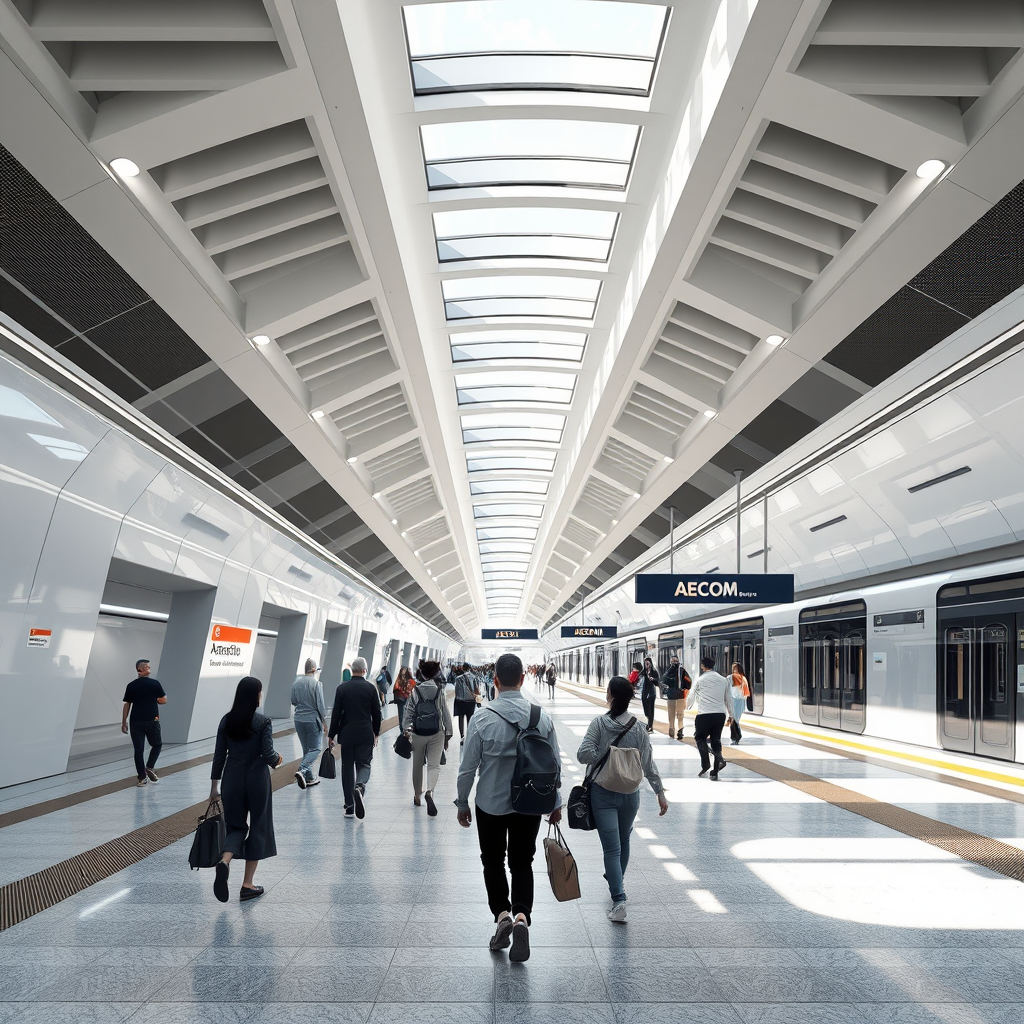
This article examines the significant contribution of AECOM to Bangkok’s...
November 10, 2018 12:25 pm
Manila's MRT Line 3 gets a $330M JICA boost! ...

October 30, 2003 10:38 pm
Stadler Altenrhein has been awarded the international tender for the...
January 23, 2021 11:15 am
This article delves into the significant rail infrastructure project undertaken...