
Smart Ticketing: Revolutionizing Global Rail Systems
Transform railway ticketing with smart solutions. Unlock efficiency, personalization, and a truly seamless passenger experience. Discover how!

The Evolution of Railway Ticketing: From Paper to Smart Solutions
The railway industry is undergoing a profound transformation, driven by technological advancements and evolving passenger expectations. This article delves into the evolution of railway ticketing, examining the shift from traditional paper-based systems to the modern digital landscape. From the rudimentary beginnings of ticket issuing to the sophisticated, data-driven smart ticketing solutions emerging today, the journey reflects broader societal trends towards efficiency, convenience, and integration. We will explore the challenges and opportunities presented by these advancements, highlighting their impact on passenger experience, operational efficiency, and revenue generation for railway operators. This transformation promises to reshape the very fabric of public transportation, ushering in an era of seamless and personalized travel.
The Paper Trail: A Historical Perspective
Historically, railway ticketing relied heavily on physical paper tickets. These tickets, often printed with complex security features, served as proof of payment and travel authorization. Issuing, validating, and managing these tickets required extensive manual processes, leading to inefficiencies, errors, and a less-than-optimal passenger experience. The sheer volume of paper generated also presented environmental concerns. While seemingly simple, this system laid the foundation for the complex and interconnected network that modern railway ticketing has become.
The Digital Revolution: From Electronic to Mobile
The emergence of electronic ticketing systems marked a significant shift. These systems, leveraging computer networks, enabled automated ticket issuance and validation. This represented a leap forward in efficiency, reducing manual errors and processing times. However, these early electronic systems often lacked the user-friendly interface and personalized features that modern passengers demand. The subsequent rise of mobile ticketing platforms solidified this trend, putting the power of ticketing directly into the hands of passengers via their smartphones.
Beyond the Ticket: Smart Ticketing and Data Integration
The future of railway ticketing lies in *smart ticketing* solutions that leverage advanced technologies. These platforms integrate with various aspects of railway operations, enabling seamless end-to-end experiences. For instance, real-time information about train schedules, track conditions, and platform locations are vital to passenger satisfaction. Furthermore, data analytics derived from ticketing systems allow railway operators to understand passenger patterns, optimize train schedules, and tailor services to better meet demand. This data-driven approach allows for more efficient route planning and resource allocation.
The Future of Railway Ticketing: Seamless Mobility and Personalization
The future of railway ticketing envisions a fully integrated, personalized, and seamless travel experience. *Smart ticketing* systems will not just facilitate payments but also incorporate features like real-time journey planning, integrated payment gateways (including contactless options), and even automated baggage handling. The integration of railway systems with other modes of transport, including bus and tram networks, is another critical area of advancement. This interconnected approach fosters mobility hubs, allowing passengers to seamlessly transition between different transport options.
In conclusion, the evolution of railway ticketing showcases a dynamic journey from paper-based systems to sophisticated digital solutions. The transition to electronic ticketing marked a significant step towards efficiency and reduced costs, while the rise of mobile ticketing further enhanced user convenience. However, the real transformative power lies in *smart ticketing*, which goes beyond merely facilitating payments. These systems unlock deeper data insights, leading to optimized resource allocation and personalized experiences for passengers. By integrating ticketing with other aspects of railway operations, including real-time information, automated baggage handling, and seamless multimodal integration, the future of railway travel promises unprecedented convenience and efficiency. Railway operators are tasked with implementing systems that enhance the user experience, reduce costs, and improve sustainability. The ultimate goal is to create a truly integrated and personalized mobility experience for passengers. Railway operators will need to carefully consider how these advancements impact customer service, maintenance costs, and long-term sustainability.
You might be interested in:
Last February 2019, we talked about Siemens electrifying Singapore’s metro system. Click here to read – Siemens Electrifies Singapore Metro: €70M Contract
RELATED POSTS
September 6, 2025 2:37 pm
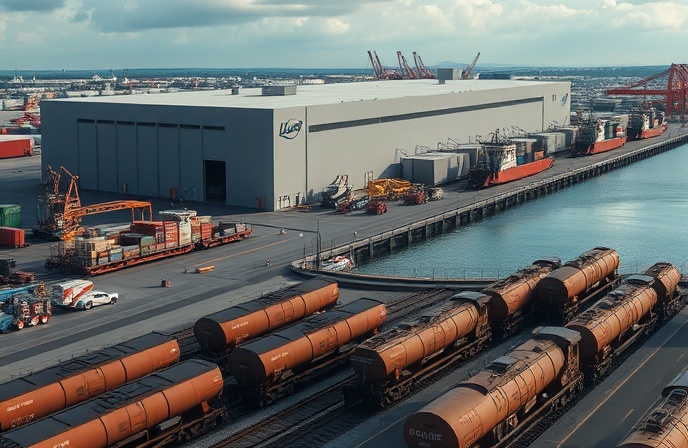
Port NOLA partners with Lineage Inc. to streamline food imports,...
January 25, 2022 6:49 am
This article explores the significant contract awarded to Alstom by...
December 2, 2016 4:56 am
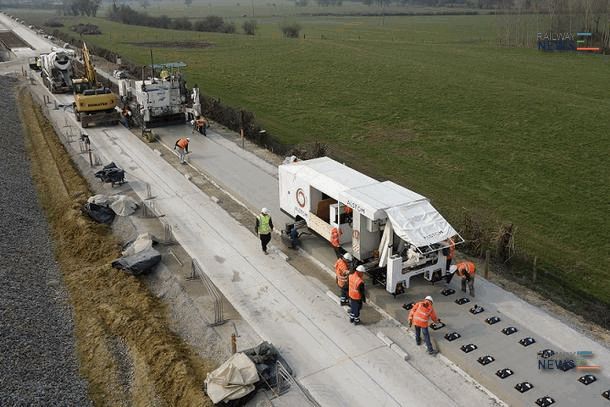
Alstom has received recognition from the Eisenbahn-Bundesamt (EBA), the German...
November 14, 2021 11:14 am
The Canadian Pacific-Kansas City Southern Merger: Reshaping North American Rail...
September 12, 2017 11:04 am
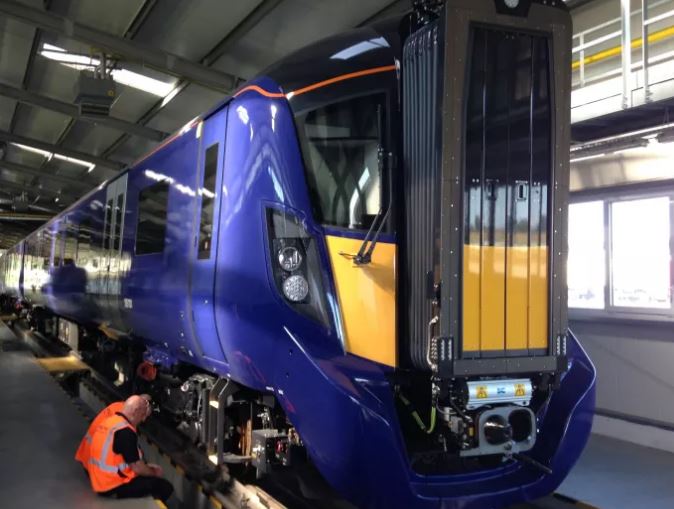
Passengers in Scotland are a step closer to the arrival...
August 3, 2023 7:02 pm
Strategic Asset Acquisition and the Future of Diesel Locomotives in...