
Smart AEI Tag: Revolutionizing Railcar Tracking
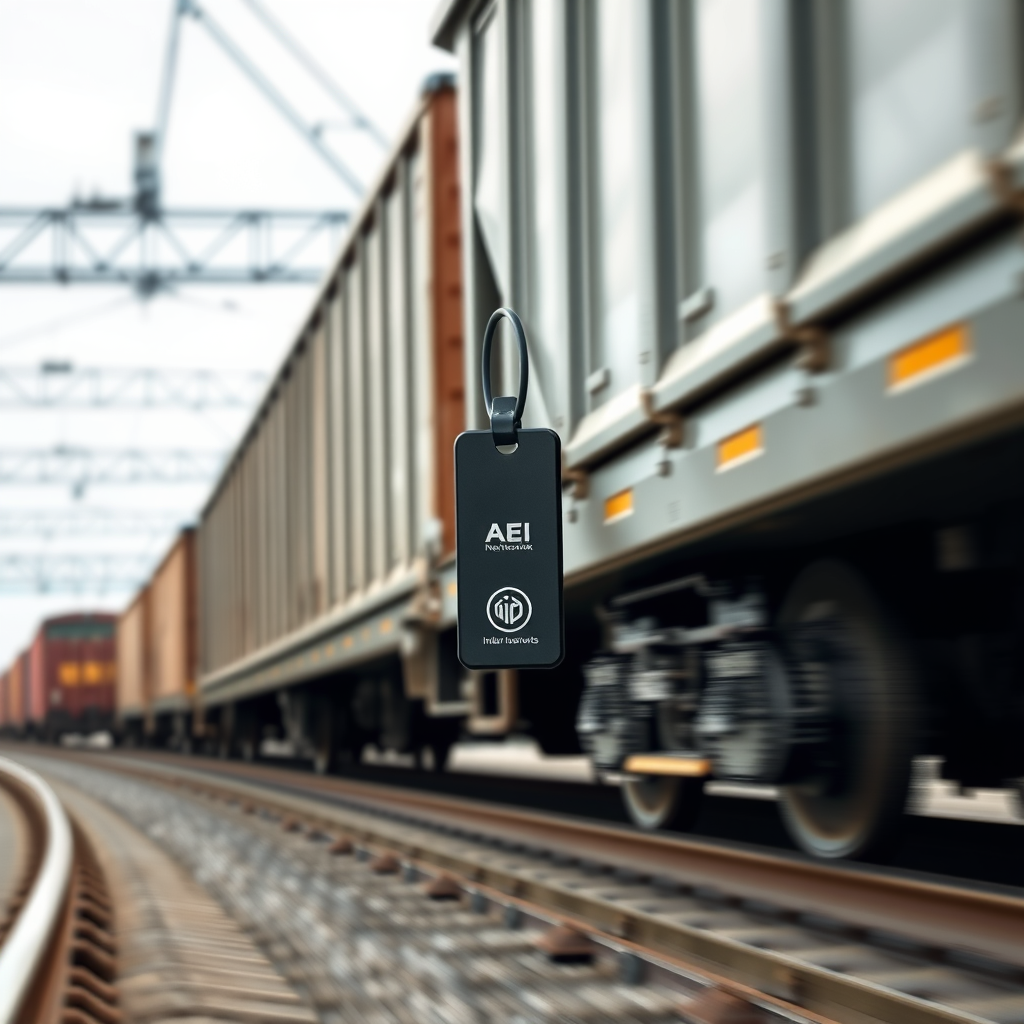
This article explores the revolutionary advancements in railcar tracking technology brought about by Industrial Networks’ Smart AEI Tag. The limitations of traditional Automatic Equipment Identification (AEI) systems, characterized by their lack of real-time data and high infrastructure costs, are well-documented. The Smart AEI Tag represents a significant leap forward, leveraging cutting-edge technologies to provide continuous, precise tracking and a wealth of operational data. This improved monitoring system promises to enhance safety, boost operational efficiency, and optimize the entire freight rail supply chain. The following sections will delve into the technological underpinnings of the Smart AEI Tag, its operational advantages, integration capabilities, and the broader implications for the future of the rail industry. We will analyze its impact on safety, efficiency, and the overall modernization of railway operations.
Technological Innovation: The Heart of the Smart AEI Tag
The Smart AEI Tag’s core innovation lies in its seamless integration of several key technologies. At its heart, the device utilizes SMRT technology (Smart Rail Monitoring and Tracking Technology), combining it with a Bluetooth Low Energy (BLE) mesh network for short-range communication within railyards. For long-range tracking during transit, the system leverages a private 5G NR+ network (5th Generation New Radio Plus) for robust and reliable connectivity. Crucially, the tag retains backward compatibility with existing AEI systems through an integrated AEI chip, ensuring a smooth transition for railway operators. This multi-faceted approach addresses the limitations of older systems by offering both precise short-range localization and reliable long-range tracking, irrespective of geographical constraints.
Enhanced Operational Efficiency and Safety
The real-time data provided by the Smart AEI Tag significantly enhances operational efficiency and safety. Sub-meter precision tracking within railyards minimizes delays and improves yard management. Continuous tracking during transit, facilitated by the integration of SMRT Hubs on locomotives, provides a comprehensive picture of each railcar’s location and journey. Furthermore, the integration of various sensors transforms the tag into an Internet of Things (IoT) data hub, enabling the collection of valuable information on railcar health, potential collisions, and speed. This data-driven approach facilitates proactive maintenance, reduces the risk of accidents, and optimizes resource allocation.
Seamless Integration and Data Analytics
A key aspect of the Smart AEI Tag’s success lies in its seamless integration with existing rail infrastructure and systems. The inclusion of a traditional AEI chip ensures backward compatibility, reducing the need for extensive system overhauls. Moreover, the ability to integrate with a diverse range of sensors expands the data collection capabilities, creating a richer and more comprehensive dataset. This data, combined with operational and customer information, can be leveraged to build sophisticated AI models, optimizing service routes, predicting potential delays, and improving overall delivery strategies. This data-driven decision-making process promises a new era of efficiency and precision in freight rail operations.
Transforming the Rail Industry: A Vision for the Future
The Smart AEI Tag represents a paradigm shift in railcar tracking, moving beyond the limitations of outdated technologies to create a truly intelligent and interconnected rail system. The benefits extend beyond simple location tracking; it enables predictive maintenance, optimized resource allocation, improved safety, and enhanced operational efficiency. The real-time data collected and analyzed provides insights that were previously unavailable, leading to more informed decision-making and a significant reduction in operational costs. This technology offers a clear pathway toward a more efficient, safer, and sustainable future for the freight rail industry.
Conclusions
In conclusion, the Industrial Networks’ Smart AEI Tag offers a comprehensive solution to the challenges posed by traditional railcar tracking systems. By seamlessly integrating SMRT technology, BLE mesh networks, and private 5G NR+ networks, the Smart AEI Tag delivers real-time, sub-meter precise tracking, both within railyards and during transit. The integration of various sensors and the backward compatibility with existing AEI systems facilitate a smooth transition to this advanced technology, minimizing disruption to ongoing operations. The resulting wealth of data provides a foundation for developing sophisticated AI models for predictive maintenance, optimized routing, and improved delivery strategies. The Smart AEI Tag promises not only enhanced operational efficiency and safety but also a significant contribution to the overall modernization and sustainability of the rail industry. This innovative technology has the potential to reshape freight rail operations, improving safety, reducing costs, and enabling more efficient and reliable service delivery across the entire supply chain. The integration of advanced data analytics, coupled with seamless integration into existing rail networks, positions the Smart AEI Tag as a pivotal technology driving the evolution of the rail industry towards a more efficient and sustainable future. The potential for further advancements, building upon this foundation, is significant, promising even greater improvements in rail operations and safety in the years to come.
RELATED POSTS
July 17, 2017 10:40 am
Bombardier Transportation has installed a new fully automated signalling solution...

April 6, 2021 3:23 pm
This article examines the significant contract awarded to Siemens Mobility...
July 29, 2025 7:33 pm
Union Pacific to acquire Norfolk Southern, creating a transcontinental railroad....
November 12, 2025 12:54 am
Sydney's Southwest Metro project enters a crucial testing phase. Trains...
December 1, 2022 4:10 pm
The Birmingham Eastside Metro Extension: A Case Study in Urban...
April 19, 2025 7:55 pm
Expanding Railway Maintenance Capabilities in India: A Case Study of...