
SLSI Report: Railway Safety Culture Strengths & Weaknesses Examined
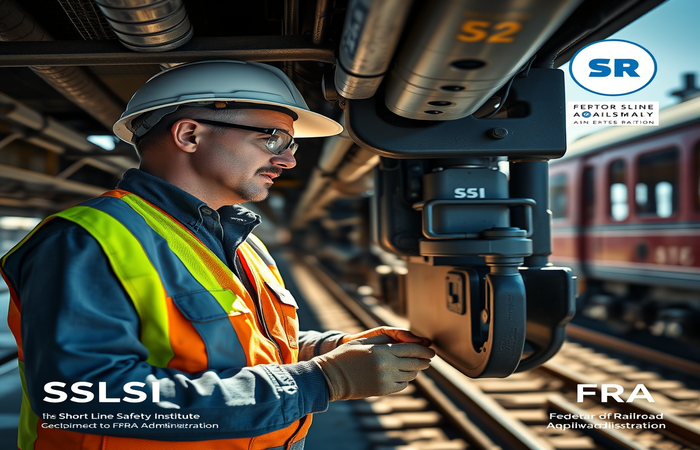
The Short Line Safety Institute (SLSI) recently unveiled its annual report on the Federal Railroad Administration (FRA) research results. The report delves into the findings of Safety Culture Assessments (SCAs) conducted in 2024 across a diverse range of railway operations, including short line, regional, historic, tourist, commuter, and passenger railroads. This comprehensive analysis aims to pinpoint the strengths and areas for enhancement within the industry’s safety culture. The study offers invaluable insights into how different facets of the railway sector approach and manage safety protocols, offering a critical examination of their effectiveness and the overall impact on the safety of both employees and the public. The report’s objective is to provide a detailed examination of safety culture dynamics, highlighting best practices and areas needing improvement to foster a safer and more efficient railway environment. This news article will further explore the key findings of the SLSI’s analysis, providing a deeper understanding of the current state of safety culture within the railway industry.
Safety Culture Assessments: Methodology and Scope
The SLSI’s report is based on 20 Safety Culture Assessments (SCAs) performed on a variety of railway operations in 2024. These assessments are crucial for understanding the safety climate within an organization. SCAs involve a multifaceted approach, including interviews with employees at all levels, observations of workplace practices, and a review of safety documentation. This holistic methodology allows for a comprehensive evaluation of the safety culture. The railroads assessed vary significantly in size and operational characteristics, ensuring a broad representation of the railway industry. By including short line, regional, historic, tourist, commuter, and passenger railroads, the SLSI’s findings provide a well-rounded perspective on safety practices across the industry. The FRA (Federal Railroad Administration) actively supports these SCAs as a way to promote a proactive safety approach.
Areas of Strength Identified
The SLSI report highlights several key strengths in the railway industry’s safety culture.
* _Provision of Personal Protective Equipment (PPE):_ The report commends railroads for consistently providing employees with necessary PPE, a critical aspect of protecting workers from potential hazards. This includes items like safety glasses, hard hats, and high-visibility clothing.
* _Communication of Safety Concerns:_ The study indicates that employees generally feel comfortable communicating safety concerns to management. This open communication is essential for identifying and addressing potential safety issues before they escalate.
* _Employee Empowerment:_ The report underscores that employees feel empowered to work safely, a sign of a safety-conscious workplace culture. This empowerment enables workers to take ownership of their safety and contribute to a safer environment for everyone.
* _Personal Responsibility:_ The assessment found that employees at all levels take personal responsibility for their safety and the safety of their coworkers and the public. This commitment to safety at an individual level is a fundamental element of a strong safety culture.
* _Safe Behavior Modeling:_ Managers and supervisors are modeling safe behaviors, which is essential.
Areas for Improvement and Recommendations
While the SLSI report acknowledges the strengths in the railway industry’s safety culture, it also identifies areas where improvements are needed. These areas represent opportunities for railroads to enhance their safety protocols and overall performance. Addressing these weaknesses could lead to significant improvements in safety outcomes. The specific areas for improvement are detailed in the full report, and the SLSI provides recommendations for enhancing safety culture within railway operations. The recommendations are designed to be practical and actionable, offering guidance on how railroads can implement these changes to improve safety.
Conclusions
In conclusion, the Short Line Safety Institute’s (SLSI) annual report on the Federal Railroad Administration (FRA) research results for 2024 provides a valuable overview of the railway industry’s safety culture. The study’s findings, based on Safety Culture Assessments (SCAs) across a diverse range of railway operations, highlight both the industry’s strengths and areas needing improvement. The report’s key strengths are in the provision of personal protective equipment (PPE), open communication channels, employee empowerment, individual responsibility for safety, and safe behavior modeling by management. However, areas for improvement were also identified, underscoring the need for continued attention to safety protocols and practices. The recommendations provided by the SLSI are crucial for the railway sector to build upon its existing strengths and address the areas for enhancement. The report provides railroads with a roadmap for fostering a culture of safety.
The insights from this report are critical for all railway operators, not just those directly assessed. The findings provide valuable benchmarks and guidance for improving safety performance. By focusing on the identified areas for improvement and building on existing strengths, the railway industry can continue its efforts to create a safer and more efficient environment for both employees and the public. The SLSI’s continued research and analysis will be instrumental in driving ongoing safety improvements within the railway sector.
**Country and Date:** United States, 2024
**Short Summary about Companies:**
* **Short Line Safety Institute (SLSI):** The SLSI is an organization dedicated to improving safety in the short line railroad industry. They conduct Safety Culture Assessments (SCAs) and provide training and resources.
* **Federal Railroad Administration (FRA):** The FRA is a U.S. government agency responsible for overseeing and regulating the safety of all aspects of the nation’s rail system. They support safety initiatives.
RELATED POSTS

January 24, 2023 10:05 pm
The construction of Rail Baltica, a high-speed rail line connecting...
August 9, 2020 5:57 am
This article explores the significant contribution of Alstom, a leading...
October 15, 2025 7:54 am
Construction begins on the Maasvlakte Zuid **railway yard**, with 740-meter...
April 22, 2017 7:50 am
"Enhancing freight capabilities: The Gdansk rail connectivity project, a PLN...
March 20, 2021 4:50 am
This article delves into the significant technological upgrade underway in...
October 30, 2022 10:53 am
This article delves into the significant earthworks underway for the...