
Škoda’s German High-Speed Rail TSI Certification
Škoda’s new 109E3 high-speed trains achieve TSI certification! Learn how they overcame rigorous testing and delays to deliver cutting-edge rail technology.
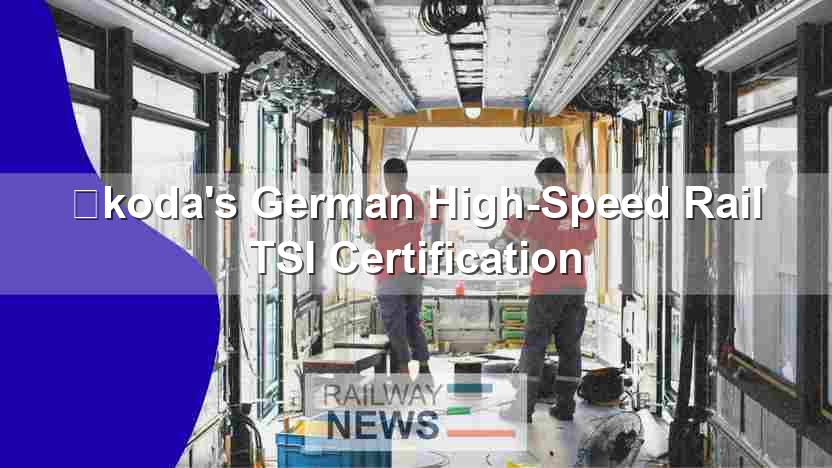
This article examines the significant achievement of Škoda Transportation in securing TSI (Technical Specifications for Interoperability) certification from Eisenbahn Cert for its new 109E3 locomotives and bi-level high-speed coaches intended for Deutsche Bahn Regio (DB Regio) operations in Germany. The certification process, a critical step in ensuring the compatibility and safety of railway vehicles within the European Union’s rail network, highlights the complexities and challenges inherent in developing and deploying state-of-the-art high-speed passenger trains. We will delve into the technical specifications of these innovative trains, exploring the engineering challenges overcome during their development, the significance of the TSI certification, and the broader implications for Škoda Transportation and the European high-speed rail market. Additionally, we will analyze the project timeline, addressing the delays encountered and their impact on the project’s overall success. Finally, we’ll consider the future implications of this achievement for both Škoda and the future of high-speed rail technology.
Technical Specifications and Engineering Challenges
The 109E3 locomotives and bi-level coaches represent a significant advancement in high-speed rail technology. The six high-capacity bi-level trains, each comprising a control car, end wagon, four passenger cars, and a Škoda Emil Zátopek 109E3 locomotive, offer a seating capacity of 676 passengers. Key features include dedicated spaces for passengers with reduced mobility, multifunctional areas for prams and bicycles, Wi-Fi connectivity, and barrier-free platform access. A notable engineering challenge involved the development of pressure-tight cabins, essential for safe operation near high-speed ICE trains (InterCityExpress) in tunnels. This requirement necessitated rigorous testing and design modifications to ensure passenger safety at speeds approaching 300 km/h (approximately 186 mph).
TSI Certification and its Significance
The TSI certification from Eisenbahn Cert, a German notified body, is crucial for the operation of these trains within the German and broader European rail network. This certification validates that the trains comply with all relevant safety and interoperability standards. The rigorous testing and evaluation involved in obtaining this certification demonstrate Škoda Transportation’s commitment to quality, safety, and compliance. Successfully navigating this process signifies a significant milestone for Škoda, enhancing its credibility and competitive position in the European high-speed rail market.
Project Timeline and Delays
The project experienced delays exceeding two years, primarily attributed to the complexities associated with developing the pressure-tight passenger cars and conducting detailed whole-train testing. The close proximity to high-speed ICE trains during operation necessitated meticulous testing to ensure the trains’ safety and stability. These delays underscore the intricate nature of high-speed rail projects, requiring careful planning, advanced engineering, and stringent testing protocols. Overcoming these challenges underlines Škoda’s resilience and technical expertise.
Implications for Škoda and the European High-Speed Rail Market
Securing the TSI certification for the 109E3 locomotives and bi-level coaches marks a substantial achievement for Škoda Transportation. This success strengthens Škoda’s reputation as a leading provider of high-quality, high-speed rail solutions within the European market. It enhances their competitive edge, signaling their ability to meet the demanding safety and interoperability standards of the European rail network. The project’s completion, despite the challenges encountered, demonstrates Škoda’s technical capabilities and commitment to delivering innovative and reliable high-speed rail technology.
Conclusion
The successful acquisition of TSI certification by Škoda Transportation for its 109E3 locomotives and bi-level coaches signifies a remarkable accomplishment in the high-speed rail sector. This achievement highlights not only Škoda’s commitment to engineering excellence and safety standards but also its ability to overcome significant technical hurdles in the development of advanced rail technology. The project’s journey, including the challenges posed by the pressure-tight wagon design and rigorous testing procedures, underlines the complexities of creating a high-speed rail system that operates seamlessly and safely within the existing European infrastructure. The certification’s impact extends beyond immediate commercial success. It reinforces Škoda’s standing as a key player in the European high-speed rail market, showcasing their ability to meet the stringent requirements of interoperability and contribute to the advancement of this crucial mode of transportation. The successful deployment of these trains on the Munich-Nuremberg route will serve as a testament to Škoda’s innovative capabilities and bolster their future prospects within the increasingly competitive high-speed rail landscape. This project underscores the importance of meticulous planning, robust testing procedures, and the collaboration between manufacturers, regulatory bodies, and operators in ensuring the safe and efficient operation of advanced high-speed rail systems.

Railway infrastructure, rolling stock and transport technologies specialist focused on global rail industry developments, high-speed rail systems, signaling technologies and freight transportation. Covering railway investments, public transport modernization, rail operations and international mobility projects across Europe, Asia and North America.
RELATED POSTS
September 6, 2026 5:19 am
Hitachi delivered Taiwan's first N700ST high-speed train from Japan in...

September 5, 2026 4:19 pm
CPK launched formal tender talks with four consortia to design...

September 6, 2026 4:12 am
Alstom delivered the first of 100 new G Class trams...
September 6, 2026 6:17 am
Hungary ordered a national ban on most freight trains from...
September 6, 2026 1:17 am
Hitachi Toshiba Supreme Consortium confirmed the first of 12 N700ST...
September 7, 2026 8:16 am
Midea, Gree and TCL shipped air conditioners via China Railway...