
Singapore NEL Train Upgrade: $85M Refurbishment
Singapore’s NEL train upgrade by CRRC Nanjing Puzhen boosts reliability and passenger comfort through comprehensive system overhauls and predictive maintenance. Discover how!
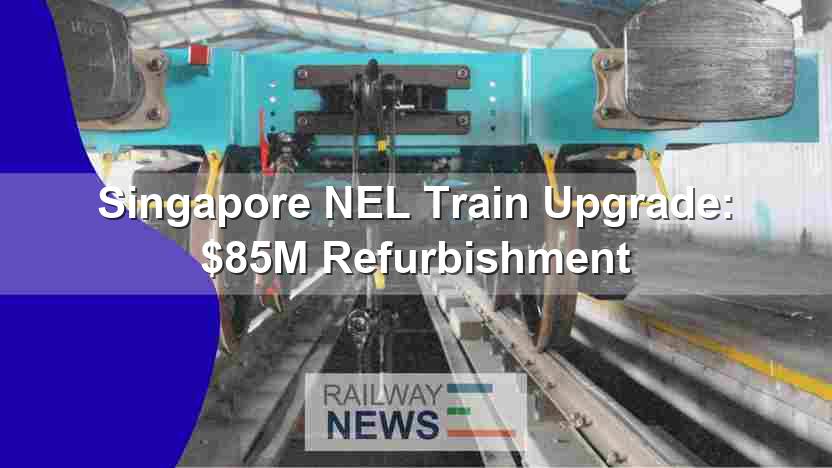
This article explores the significant upgrade project undertaken by CRRC Nanjing Puzhen (China Railway Rolling Stock Corporation Nanjing Puzhen) for the North East Line (NEL) trains in Singapore. The Singapore Land Transport Authority (LTA) awarded a substantial S$116.7 million (approximately $85.12 million USD) contract to CRRC Nanjing Puzhen for the detailed refurbishment of 25 trains operating on the NEL. This project goes beyond simple cosmetic improvements, encompassing a wide range of critical upgrades to enhance passenger comfort, system reliability, and operational efficiency. The scale and complexity of this undertaking highlight the importance of regular maintenance and modernization of aging railway infrastructure to ensure continued safe and reliable service for commuters. The project’s implementation, financing, and expected impact on the overall performance of the NEL will be analyzed in detail within this report.
System-Wide Enhancements for Improved Reliability
The core of the upgrade program focuses on bolstering the reliability and performance of the NEL trains. This involves a meticulous review and overhaul of various critical train systems. CRRC Nanjing Puzhen will meticulously assess the mechanical and electrical systems, replacing or renovating components as needed. This attention to detail aims to prevent future failures and minimize unscheduled downtime, directly improving the overall reliability of the NEL service. The modernization extends beyond individual components to encompass a more holistic approach, aiming for increased resilience and efficiency of the entire system.
Passenger Experience Enhancement: Comfort and Information
Beyond mechanical improvements, the upgrade program significantly enhances the passenger experience. The project includes replacing outdated interior fittings, such as seats, panels, and flooring, to improve passenger comfort and aesthetics. Additionally, the air-conditioning and ventilation systems will receive major upgrades, ensuring a more pleasant and comfortable riding environment for commuters. The modernization also extends to the passenger information systems, providing clearer and more up-to-date information regarding train schedules, delays, and transfers. These improvements in passenger comfort and information access are crucial to maintaining high levels of passenger satisfaction and enhancing the overall quality of the public transit experience.
Implementing a Proactive Maintenance Strategy
A key component of this upgrade program involves the integration of a sophisticated condition monitoring system. This advanced system will continuously assess train performance and provide valuable data for predictive maintenance planning. By identifying potential issues before they escalate into major failures, the LTA can implement proactive maintenance strategies, minimizing service disruptions and extending the lifespan of the trains. This shift towards a data-driven approach to maintenance signifies a significant advancement in railway management, allowing for more efficient resource allocation and enhanced operational efficiency.
Project Execution and Overall Impact
The upgrade work is meticulously planned to minimize disruptions to the daily commute. Each train is being rehabilitated individually at the Sengkang Depot, ensuring the continuous operation of the remaining trains. The project, funded by the government’s New Rail Financing Framework, is slated for completion by the third quarter of 2024. This strategic phased approach minimizes service interruptions and maintains the crucial role of the NEL in Singapore’s public transportation system. The project serves as a model for modernizing aging rail networks while minimizing disruption to commuters. The improvements in reliability, passenger comfort, and proactive maintenance strategies are expected to significantly enhance the overall effectiveness and sustainability of the NEL for years to come.
Conclusions
The CRRC Nanjing Puzhen upgrade project for Singapore’s North East Line (NEL) trains represents a substantial investment in improving the efficiency and reliability of the city-state’s public transportation system. The project encompasses a wide array of improvements, ranging from the replacement of interior fittings to the installation of a detailed condition monitoring system. This detailed approach addresses both passenger comfort and operational efficiency. The systematic overhaul of mechanical and electrical systems is intended to increase the operational lifespan of the trains and reduce the frequency of service disruptions. The upgrade also places significant emphasis on passenger experience with improvements to the air-conditioning, ventilation, and passenger information systems. By implementing a sophisticated condition monitoring system, the LTA can move towards a more proactive maintenance approach, reducing unplanned downtime and maximizing resource utilization. The phased implementation at the Sengkang Depot ensures minimal disruption to the daily commute, a testament to careful planning and project management. This undertaking underscores the commitment to providing reliable and comfortable public transportation in Singapore. The long-term benefits of this project include improved passenger satisfaction, increased operational efficiency, and a more sustainable and resilient railway network. The success of this project will serve as a valuable case study for other cities facing the challenge of maintaining and upgrading aging rail infrastructure.

Railway infrastructure, rolling stock and transport technologies specialist focused on global rail industry developments, high-speed rail systems, signaling technologies and freight transportation. Covering railway investments, public transport modernization, rail operations and international mobility projects across Europe, Asia and North America.
RELATED POSTS

October 8, 2026 1:15 pm
Alstom secured a €1bn contract to build 13 automated trains,...

October 1, 2026 7:09 am
United States regulators confirmed a September 30 deadline for the...

October 8, 2026 12:18 pm
Siemens Mobility signed an agreement with VinSpeed to supply 350...

October 4, 2026 5:14 pm
Alstom secured a CA$4.7 billion order from VIA Rail Canada...

October 5, 2026 6:12 pm
AECOM and Jacobs secured a contract in September 2026 to...

October 1, 2026 12:13 am
Illinois approved $1.5 billion annually for the Northern Illinois Transit...