
Singapore CRL Phase 2: Tunneling & Tech
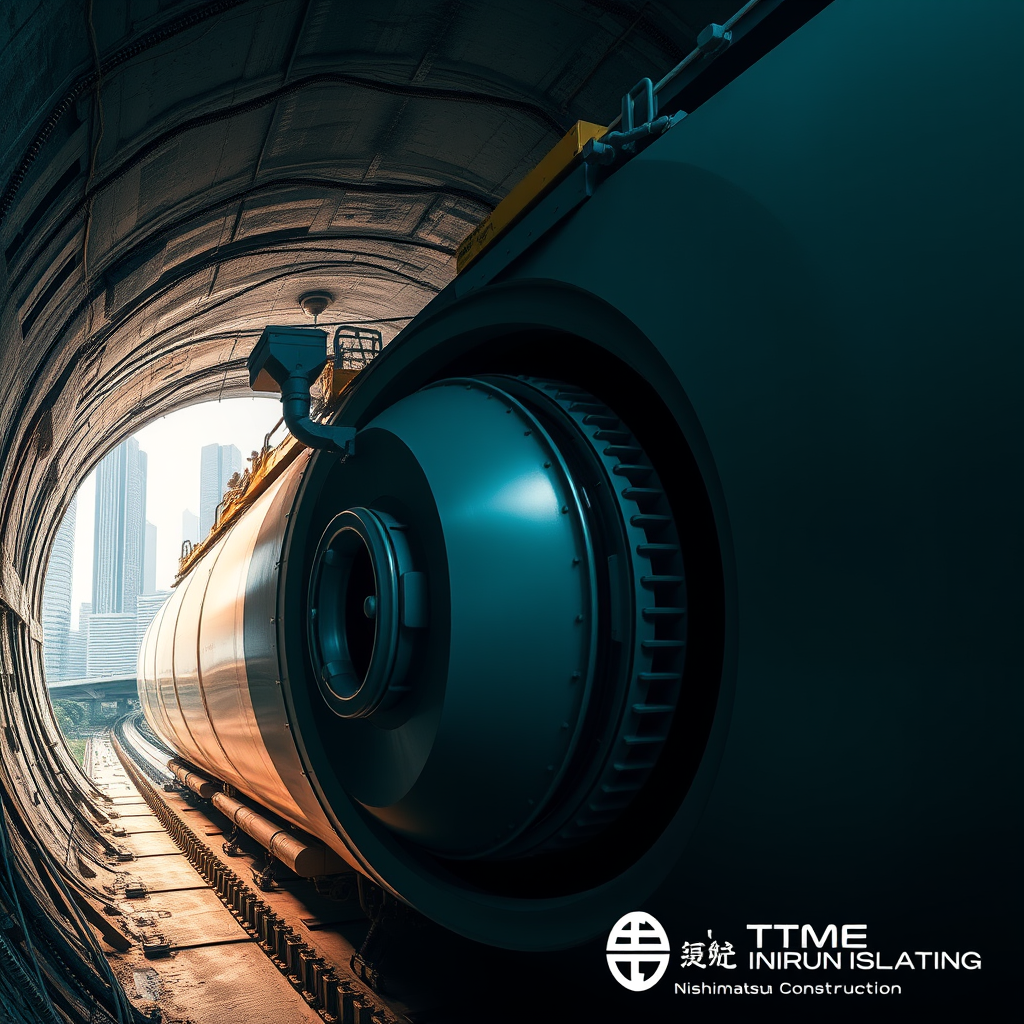
Singapore’s Cross Island Line (CRL) Expansion: A Deep Dive into Tunneling and Infrastructure Development
Singapore’s ambitious expansion of its Mass Rapid Transit (MRT) system continues with the ongoing construction of the Cross Island Line (CRL). This article delves into the complexities of the CRL project, focusing on the recently awarded contracts for Phase 2, specifically examining the tunneling challenges, technological considerations, and the broader implications for Singapore’s transportation infrastructure. The CRL, upon completion, will significantly enhance connectivity across the island, relieving pressure on existing lines and improving accessibility to various residential and commercial hubs. The project’s magnitude and technological advancements make it a significant case study in modern urban rail development, showcasing best practices in engineering, project management, and sustainable infrastructure solutions. The analysis will explore the intricacies of the tunneling process, the selection criteria for contractors, and the long-term economic and societal impacts of this large-scale undertaking. We will also consider the technological innovations incorporated into the project and their contribution to the overall efficiency and safety of the system.
Phase 2 Tunneling Contracts and Contractor Selection
The Land Transport Authority (LTA) of Singapore has awarded a substantial S$242 million (approximately $178.6 million USD) contract to a joint venture comprising Nishimatsu Construction and Okumura Corporation’s Singapore branch. This contract encompasses the design and construction of twin tunnels spanning 2.4 kilometers between the West Coast Station and Jurong Lake District Station, both crucial nodes within the CRL Phase 2. The selection process for this contract, like others in the CRL project, rigorously evaluates bidders based on their technical expertise, past performance on similar projects (both Nishimatsu and Okumura have extensive experience in Singaporean tunneling projects), financial capacity, and adherence to stringent safety and quality standards. The LTA’s focus on proven track records minimizes risk and ensures timely completion within the stipulated timeline. The depth of the tunnels (up to 40 meters) presents significant geotechnical challenges, requiring specialized expertise in tunnel boring machine (TBM) operation and ground stabilization techniques. The project’s proximity to existing infrastructure, such as the Sungei Pandan canal, West Coast Highway, and Ayer Rajah Expressway, necessitates meticulous planning and execution to minimize disruption to the public and surrounding environments. The successful bidders were chosen not only for their capacity but their demonstrated ability to manage these challenges.
Technical Challenges and Innovative Solutions
The construction of the CRL Phase 2 tunnels presents a series of significant technical challenges. The considerable depth, coupled with the presence of underground utilities and waterways, demands advanced engineering solutions. Precise geotechnical investigations are crucial for optimizing the tunnel design and selecting appropriate tunnel boring methods to mitigate risks associated with ground instability and water ingress. The use of state-of-the-art TBMs, equipped with advanced monitoring systems, plays a pivotal role in ensuring efficient and safe excavation. Data collected from these monitoring systems provides real-time insights into ground conditions, enabling proactive adjustments to excavation parameters and minimizing potential delays. Furthermore, sophisticated ground improvement techniques might be necessary to reinforce unstable ground sections and reduce settlement risks in areas near existing infrastructure. The project will undoubtedly leverage technological innovations in areas such as automated guided vehicles (AGVs) for material transport and digital twins to optimize construction management and mitigate potential conflicts.
Project Timeline and Overall CRL Vision
The CRL project is divided into three phases, each with its own distinct timeline. Phase 1, encompassing 29 kilometers, is slated for completion in 2030. Phase 2, stretching 15 kilometers, including the recently awarded contract, is scheduled for completion in 2032. Phase 3 is currently in the planning stages. The meticulous planning and phased approach demonstrate a comprehensive strategy to manage risks and resources effectively. The LTA’s commitment to transparency and public engagement plays a significant role in fostering community support and minimizing potential disruption throughout the construction process. The timely completion of each phase is essential not only to maintain the momentum of the overall project but also to integrate the new line seamlessly into the existing MRT network.
Conclusion
The awarding of the S$242 million contract for the CRL Phase 2 tunneling represents a significant step towards realizing Singapore’s vision for a comprehensive and efficient public transportation system. The project highlights the country’s commitment to investing in robust infrastructure, employing cutting-edge technologies, and embracing sustainable development practices. The selection of Nishimatsu Construction and Okumura Corporation, based on their proven track record and expertise in handling complex tunneling projects, underscores the LTA’s stringent selection criteria and focus on risk mitigation. The successful execution of Phase 2, with its challenging geotechnical conditions and proximity to existing infrastructure, will serve as a testament to Singapore’s engineering capabilities and its ability to seamlessly integrate major infrastructure projects into a densely populated urban environment. The anticipated completion of the entire CRL network will significantly enhance connectivity across the island, improve accessibility to key residential and commercial areas, and ultimately contribute to a more sustainable and livable city. The phased approach adopted by the LTA, combined with its commitment to transparency and stakeholder engagement, serves as a model for large-scale infrastructure projects worldwide, showcasing best practices in planning, execution, and community relations. The innovative technological solutions implemented during the construction process further solidify Singapore’s position as a leader in advanced urban development and transportation infrastructure. The long-term economic and societal benefits of the CRL, including reduced traffic congestion, improved air quality, and enhanced accessibility, will significantly contribute to Singapore’s ongoing prosperity and development.
RELATED POSTS

January 13, 2021 11:03 pm
The Transpennine Route Upgrade (TRUe): A Case Study in Large-Scale...

January 14, 2026 8:39 pm
East Midlands Railway launches "chat trains" initiative on January 19,...
April 2, 2023 10:59 am
This article explores the significant upgrade underway at Carstairs Junction,...
July 14, 2022 6:27 pm
Modernizing the London Underground: Signal System Upgrades on the Piccadilly...
October 15, 2025 11:54 am
Carpatica Feroviar România S.A. eyes 30% of the Romanian **rail...
January 5, 2026 9:39 pm
Network Rail's £7.25M Mossend upgrade triples freight speeds, boosting Scotland's...