
Simandou’s £277M Rail Revolution: Guinea’s Iron Ore Boom
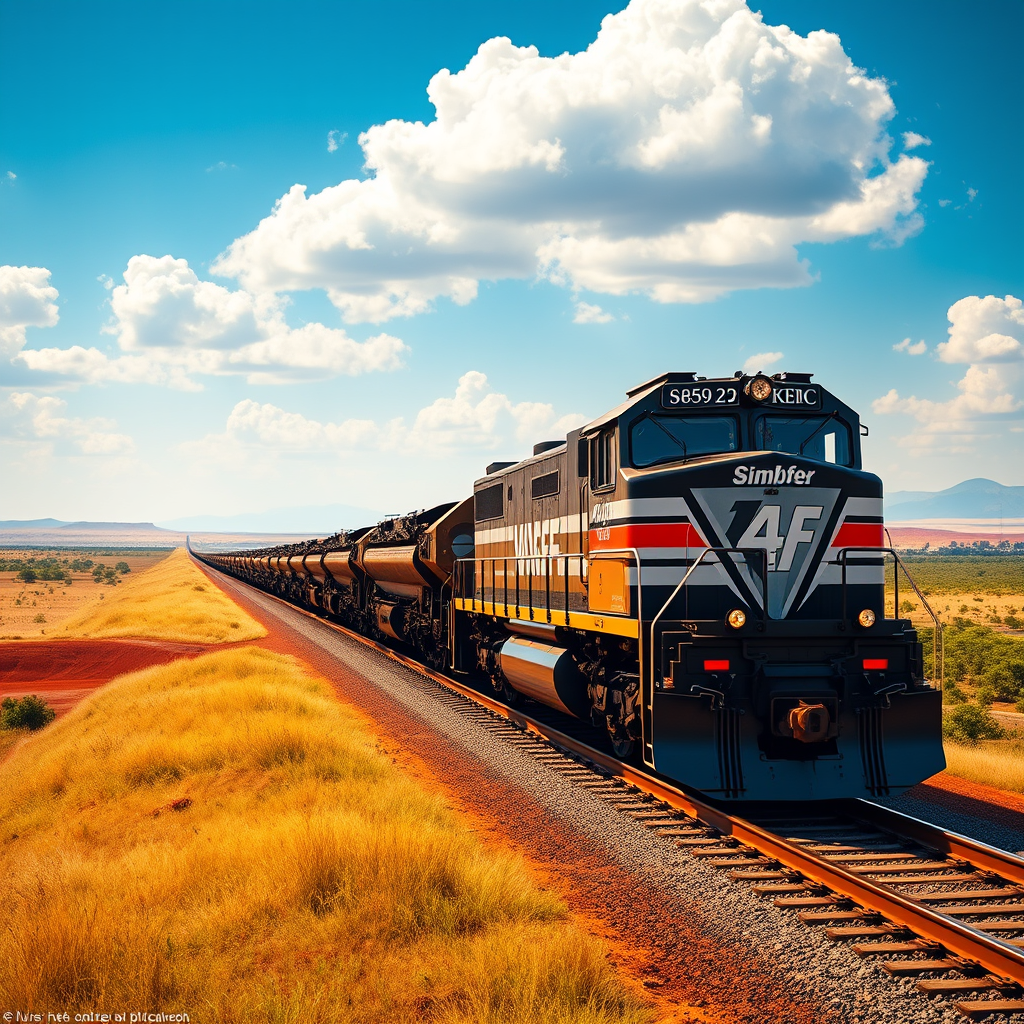
This article examines the significant investment by Simfer, a joint venture (JV) between Rio Tinto, the Guinean government, and Chalco Iron Ore Holdings, in a new locomotive fleet for the Simandou iron ore project in Guinea. The acquisition of 4,500hp ES43ACmi locomotives from Wabtec represents a crucial step in the development of the TransGuinéen railway, a 600km standard-gauge line designed to transport up to 120 million tonnes per annum (mtpa) of iron ore and bauxite. This investment, totaling £277 million, underscores the economic potential of the Simandou project and its impact on Guinea’s economic development. Furthermore, the article will delve into the project’s implications for Guinea’s role in the global iron ore market, the logistical challenges of developing large-scale mining infrastructure in a remote location, and the potential environmental considerations associated with such a significant undertaking. The analysis will also consider the technological choices made in locomotive selection, focusing on the advantages offered by the chosen ES43ACmi model in terms of efficiency and suitability for the operational environment.
The Simandou Iron Ore Project and the TransGuinéen Railway
The Simandou iron ore project, located in southeastern Guinea, holds an estimated two billion tonnes of undeveloped high-grade iron ore. The development of the TransGuinéen railway is essential for exporting this resource. This 600km standard-gauge railway will be a crucial piece of infrastructure, not only facilitating the export of iron ore but also potentially bauxite, significantly boosting Guinea’s economic prospects. The project’s scale necessitates a robust and efficient rail system, capable of handling the substantial volume of ore anticipated once the mine reaches full operational capacity. The choice of Wabtec’s ES43ACmi locomotives reflects a strategic decision to utilize high-performance, fuel-efficient technology for optimal operational efficiency.
Wabtec’s ES43ACmi Locomotives: Technology and Operational Efficiency
Simfer’s selection of Wabtec’s ES43ACmi locomotives highlights a focus on technological advancement and operational efficiency. The dual-cab design and 4,500hp Evolution Series engine are designed for superior performance, particularly in challenging high-temperature environments. The emphasis on fuel efficiency is crucial for minimizing operational costs and reducing the environmental footprint of the project. The power and capacity of these locomotives are paramount for transporting the massive quantities of iron ore anticipated from the Simandou mine, ensuring effective and reliable freight movement along the TransGuinéen railway. The selection underscores a commitment to utilizing state-of-the-art technology to optimize the logistics of the project.
Economic and Geopolitical Implications
The Simandou project’s success will significantly impact Guinea’s economy, positioning it as a major player in the global iron ore market. Once fully operational, Guinea is expected to become one of the world’s leading exporters of high-quality iron ore, contributing substantially to its GDP and generating employment opportunities. The project also carries significant geopolitical implications, reflecting the involvement of major international players like Rio Tinto and China’s Chalco Iron Ore Holdings, in partnership with the Guinean government. The successful completion and operation of the railway system represents a major step towards economic development for Guinea, enhancing its international standing within the mining and global trade sectors.
Environmental Considerations and Sustainability
While the economic benefits are substantial, environmental sustainability must be a central consideration throughout the project’s lifecycle. Although the article doesn’t delve into specifics, the choice of fuel-efficient locomotives is a step towards mitigating the environmental impact of rail operations. Further considerations should include minimizing habitat disruption during construction and operation of the railway and implementing effective measures to control and mitigate any potential pollution from mining and transportation activities. A comprehensive environmental impact assessment and ongoing monitoring are crucial to ensure responsible and sustainable development.
Conclusion
Simfer’s £277 million investment in Wabtec’s ES43ACmi locomotives marks a pivotal moment in the development of the Simandou iron ore project and the TransGuinéen railway. This significant investment, coupled with the project’s potential to transform Guinea’s economy and its role in the global iron ore market, underscores the project’s importance. The choice of high-performance, fuel-efficient locomotives reflects a commitment to operational efficiency and, to some extent, environmental responsibility. However, ongoing attention to environmental impact assessment and mitigation strategies will be crucial for ensuring the long-term sustainability of the project. The successful implementation and operation of the TransGuinéen railway, with its advanced locomotive fleet, will be a testament to the collaborative efforts of the involved partners and a catalyst for significant economic development in Guinea. The project’s success hinges on effective management of logistical challenges, meticulous environmental planning, and continued commitment to sustainable practices throughout the project’s lifespan, guaranteeing a positive legacy for Guinea and its people. The long-term success will depend on careful management and a commitment to sustainable practices, ensuring a positive and lasting impact on Guinea’s economy and environment.
RELATED POSTS
August 1, 2025 1:33 pm
MP tours Transpennine Route Upgrade, seeing transformative rail projects, boosting...

March 4, 2025 7:55 am
This article examines the recent £250 million (million pounds) funding...
August 5, 2025 6:33 am
Queensland intersection near cane train line gets crucial safety upgrades....
April 5, 2025 9:40 am
This article explores the advancements in railcar undercarriage inspection technology,...

May 28, 2020 11:17 pm
Enhanced Train Sanitation and Passenger Safety: A Case Study of...
September 15, 2025 2:55 pm
Huddersfield station upgrades are underway, adding tracks & platforms to...