
Siemens SWR Train Upgrade: High-Speed Rail Optimization
Optimize your railway infrastructure for maximum efficiency. Modernize track maintenance, signaling, and operations with advanced technologies like predictive maintenance and CBTC. Discover how!

Optimizing Railway Infrastructure for Enhanced Efficiency
This article delves into the multifaceted strategies for optimizing railway infrastructure, examining crucial aspects from track maintenance to advanced signaling systems. Modernizing rail networks necessitates a comprehensive approach, integrating technological advancements with robust operational procedures to enhance efficiency, safety, and passenger experience. The escalating demand for high-speed rail travel and the increasing complexities of integrated transport systems demand innovative solutions to optimize existing infrastructure and facilitate seamless connectivity. This exploration examines best practices in infrastructure management and evaluates the role of technological advancements in achieving optimal performance while addressing operational challenges.
Track Maintenance and Renewal Strategies
Efficient track maintenance is paramount for ensuring consistent train operations and minimizing delays. Predictive maintenance techniques, utilizing sensors and data analysis, play a vital role in identifying potential issues before they escalate into major disruptions. Regular inspections, coupled with advanced technologies like laser scanning, allow for rapid identification of track irregularities and flaws, enabling timely interventions. The implementation of robust track renewal strategies is also crucial, involving careful planning to minimize disruption to service schedules. Optimized scheduling, phased maintenance, and strategic material sourcing are key elements of a successful renewal program. Furthermore, the integration of sustainable materials and techniques minimizes environmental impact and cost overruns.
Advanced Signaling and Communication Systems
Advanced signaling systems are critical for enhancing safety and train capacity. Modern digital signaling technologies, incorporating interlocking systems and communication-based train control (CBTC) strategies, ensure greater safety and efficiency. The integration of real-time data and communication protocols enables better train scheduling, improved passenger experience, and substantial reductions in operational delays. The automation of signaling processes minimizes human error and enhances the reliability and safety of railway operations. Furthermore, robust communication systems enable seamless data transmission between trains, infrastructure elements, and control centers. The use of wireless communication networks and dedicated communication channels ensures smooth flow of information, resulting in more precise train scheduling and enhanced safety protocols.
Integrated Operation Management and Control Systems
Optimizing railway operations necessitates a comprehensive approach to management and control. Real-time monitoring of train movement, coupled with dynamic scheduling adjustments, is crucial for efficient traffic flow. Centralized command centers equipped with advanced analytical tools enable proactive response to unexpected issues and maintain optimal traffic patterns. Utilizing intelligent control systems that leverage artificial intelligence (AI) and machine learning (ML) to proactively identify and resolve potential disruptions is crucial. Data analytics plays a pivotal role in identifying patterns and predicting potential problems, improving operational efficiency and reducing delays. Integration of these systems with other transport modalities such as roads and airports promotes intermodal transport optimization and enhances passenger experiences.
The Future of Railway Infrastructure: Siemens SWR Train Upgrade & Beyond
The ongoing Siemens SWR train upgrade project exemplifies the commitment to modernizing rail infrastructure. This upgrade focuses on enhancing the performance and reliability of existing train fleets. The project highlights the critical role of technological integration in improving passenger experiences and operational efficiency. Future developments in rail infrastructure will likely involve increased automation, greater use of renewable energy sources, and more sustainable materials. The implementation of smart ticketing and personalized travel planning systems will further enhance passenger comfort and convenience. Addressing the growing need for high-speed rail and urban rail systems will demand novel solutions in terms of track geometry, tunnel design, and station architecture.
Last March 2019, we published an article about Liverpool’s new high-speed rail station and its massive economic impact. Click here to read – Liverpool’s HS2 Station: Economic Growth & Connectivity
Conclusion
In conclusion, optimizing railway infrastructure necessitates a holistic approach encompassing various facets, including track maintenance, signaling systems, operational management, and future-forward technologies. The emphasis on predictive maintenance, advanced signaling protocols, and integrated operational control systems fosters increased safety, efficiency, and passenger satisfaction. The ongoing Siemens SWR train upgrade project serves as a prime example of modernizing existing infrastructure to achieve enhanced performance and reliability. Looking ahead, the future of railway infrastructure hinges on embracing automation, sustainable practices, and innovative solutions to address the demands of an evolving transportation landscape. Strategic investment in research and development coupled with a commitment to continuous improvement will be critical in ensuring the continued vitality and relevance of railway networks in the years to come.
RELATED POSTS
June 13, 2017 11:05 pm
"December 2023: The China-Kyrgyzstan-Uzbekistan railway saw its first successful test...
September 13, 2025 10:54 pm
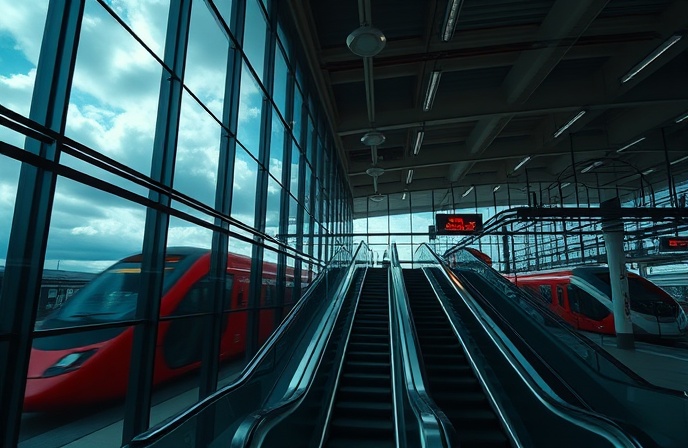
DSB awards TK Elevator a DKK 712 million contract for...
December 23, 2016 9:13 pm
Here's a voiceover-friendly excerpt:"In July 2018, West Midlands Trains deployed...
September 1, 2025 1:50 pm
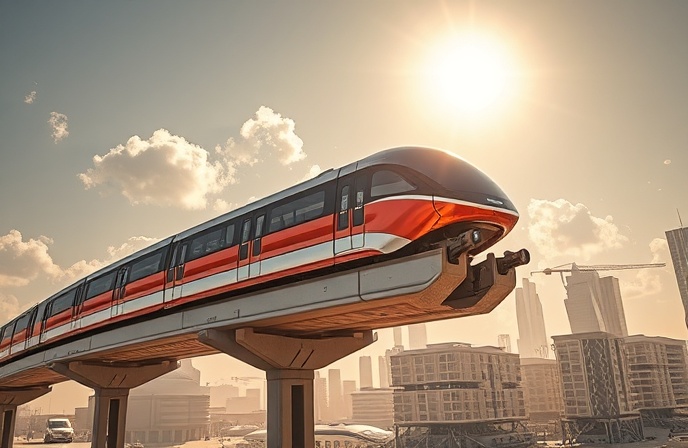
This highly anticipated transport system is designed to be both...
February 20, 2015 11:04 pm
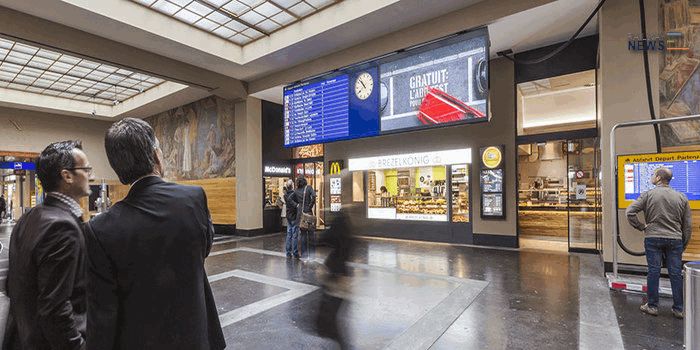
Daktronics (NASDAQ-DAKT) of Brookings, South Dakota, has partnered with Schweizerische...
November 20, 2019 4:17 pm
The Crossrail Project: A Case Study in Mega-Project Challenges This...