
Siemens’ RRX Depot: German Rail Innovation
Siemens’ Dortmund-Eving depot: Revolutionizing rail maintenance with digital innovation and predictive technology. Discover how this state-of-the-art facility maximizes efficiency and reliability!
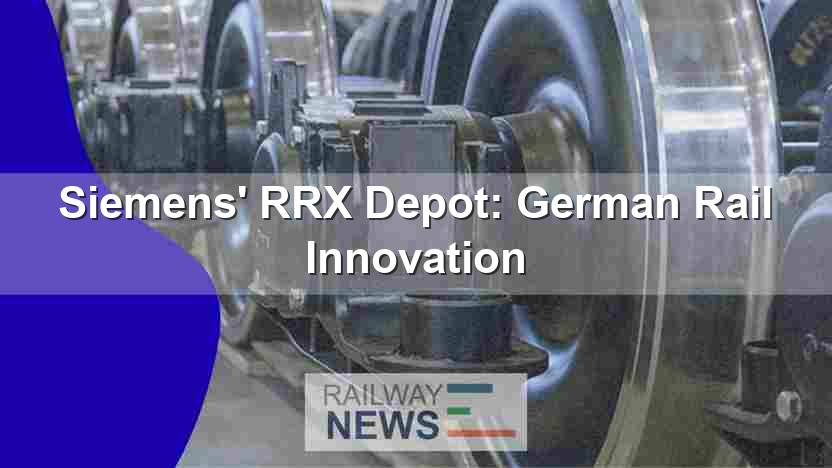
This article examines the significant investment by Siemens Mobility in the construction and operation of a state-of-the-art maintenance depot for the Rhine-Ruhr Express (RRX) fleet in Dortmund-Eving, Germany. The depot represents a paradigm shift in rail maintenance, incorporating cutting-edge technologies and digital strategies to optimize efficiency, minimize downtime, and maximize fleet availability. We will explore the depot’s design, technological advancements implemented, its contribution to the overall RRX system performance, and the broader implications for the future of railway maintenance. This case study provides valuable insights into how innovative approaches to maintenance management can enhance the reliability and sustainability of modern railway systems worldwide. The €1.7 billion investment, awarded in March 2015, underscores the commitment to ensuring the long-term operational success of the RRX network and sets a benchmark for future rail infrastructure projects.
The Dortmund-Eving Facility: Design and Capacity
The Dortmund-Eving facility is not merely a repair shop; it’s a meticulously planned and highly sophisticated rail service center. Its design prioritizes efficiency and minimizes operational bottlenecks. The sprawling 5.5km track network allows for simultaneous maintenance of multiple RRX Desiro HC (High Capacity) multiple-unit trains. The six-track workshop building, alongside the three-story warehouse, provides ample space for storage of parts, tools, and equipment. A dedicated train washing facility maintains the cleanliness and aesthetic appeal of the fleet. The integration of a high-performance 3D printer signifies Siemens’ commitment to rapid prototyping and on-site component manufacturing, reducing reliance on external suppliers and improving turnaround times. The inclusion of a gatehouse ensures controlled access and enhances security within the depot.
Digitalization and Predictive Maintenance
The true innovation of the Dortmund-Eving depot lies in its embrace of digital technologies and predictive maintenance strategies. Each of the 82 RRX trains is equipped with an extensive array of sensors that constantly monitor various operational parameters. This data is transmitted in real-time to the depot, where sophisticated algorithms analyze the information to identify potential problems before they escalate into major failures. This proactive approach minimizes unplanned downtime and maximizes fleet availability. The use of tablets for work orders eliminates paperwork, streamlining processes and improving communication between maintenance personnel. The Automatic Vehicle Inspection (AVI) system, utilizing laser technology, automatically inspects wheels, axles, and tread patterns, ensuring safety and identifying potential issues quickly and accurately. This integrated system offers a significant leap forward from traditional reactive maintenance models.
Impact on RRX Operations and Passenger Experience
The Dortmund-Eving depot’s impact extends far beyond the maintenance of individual trains. By ensuring high fleet availability through proactive maintenance, the depot directly contributes to the smooth and reliable operation of the entire RRX network. This translates to improved punctuality, reduced delays, and an enhanced passenger experience. The efficient management of maintenance tasks minimizes operational disruptions, maximizing passenger satisfaction and fostering greater public confidence in the reliability of the RRX system. The strategic investment in this facility clearly demonstrates a commitment to providing a high-quality and reliable rail service to commuters.
Implications for the Future of Rail Maintenance
The Siemens Dortmund-Eving RRX maintenance depot serves as a compelling example of how advanced technologies and digital strategies can revolutionize rail maintenance practices. The integration of sophisticated sensor networks, predictive analytics, and automated inspection systems demonstrates a paradigm shift towards proactive, data-driven maintenance. This approach not only improves efficiency and reduces costs but also significantly enhances fleet reliability and safety. The success of this model is likely to inspire other railway operators worldwide to adopt similar strategies, driving a broader trend towards the digitalization of rail maintenance operations. The depot serves as a blueprint for future rail infrastructure projects, highlighting the importance of integrating innovative technologies for increased efficiency, sustainability, and operational excellence.
Conclusion
The Siemens Mobility RRX maintenance depot in Dortmund-Eving represents a significant advancement in railway maintenance infrastructure. The facility’s design, incorporating a 5.5km track network, a six-track workshop, and advanced technological integrations, is strategically built for efficient and detailed train maintenance. The integration of digital technologies, such as real-time data monitoring, predictive maintenance algorithms, and automated vehicle inspection systems, fundamentally alters the traditional maintenance paradigm. This approach optimizes the maintenance process, reduces downtime, and enhances the overall reliability of the RRX fleet. The success of this project showcases the transformative potential of digitalization in improving railway operations and emphasizes the value of investing in cutting-edge technologies to enhance the efficiency, sustainability, and safety of rail systems. This model should serve as a template for future rail infrastructure projects globally, encouraging the wider adoption of proactive, data-driven maintenance practices for improved passenger experience and operational excellence within the rail industry.

Railway infrastructure, rolling stock and transport technologies specialist focused on global rail industry developments, high-speed rail systems, signaling technologies and freight transportation. Covering railway investments, public transport modernization, rail operations and international mobility projects across Europe, Asia and North America.
RELATED POSTS

October 1, 2026 7:09 am
United States regulators confirmed a September 30 deadline for the...

October 8, 2026 1:15 pm
Alstom secured a €1bn contract to build 13 automated trains,...

October 4, 2026 5:14 pm
Alstom secured a CA$4.7 billion order from VIA Rail Canada...

October 1, 2026 12:13 am
Illinois approved $1.5 billion annually for the Northern Illinois Transit...

October 6, 2026 2:14 am
Union Pacific launched export rail shipments with Ferromex to deliver...

October 1, 2026 6:10 am
Amtrak approved a System Expansion Committee on July 30 to...