
Siemens Mobility & Oslo Metro Launch CBTC, Boosts Capacity by 30%
Siemens Mobility activates new CBTC signaling on Oslo Metro. The €270M project boosts capacity, improving railway efficiency and supporting zero-emission goals.
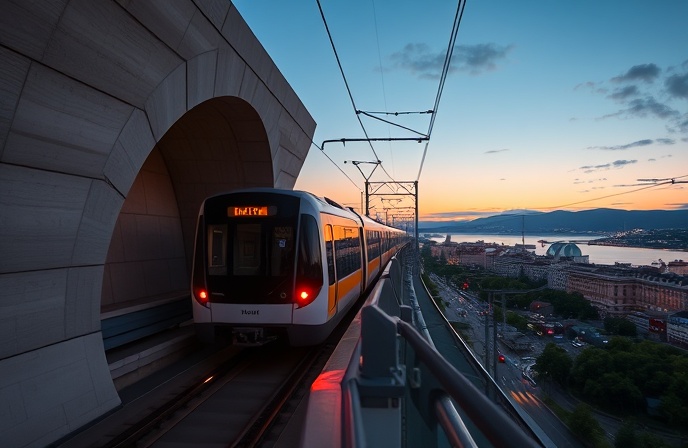
Siemens Mobility and Oslo Metro operator Sporveien have successfully activated a new Communications-Based Train Control (CBTC) signaling system on an initial three-kilometer segment of the Oslo Metro, marking a significant leap in capacity and operational efficiency. This EUR 270 million project, awarded in 2021, represents a detailed overhaul of the entire 86-kilometer network, poised to deliver a substantial increase in service frequency and pave the way for future line expansions.
| Key Entity | Critical Detail |
|---|---|
| Lead Companies | Siemens Mobility, Sporveien |
| Core Action | Operationalization of new CBTC signaling system |
| Project Value | EUR 270 million |
| Key Timeline | Project awarded in 2021, initial section live |
| Location | Oslo Metro, Norway |
| Key Technology | Siemens Trainguard MT CBTC, GoA2 automation |
Strategic Impact
The deployment of Siemens Trainguard MT CBTC, operating at GoA2 automation level, immediately boosts the Oslo Metro’s capacity to 36 trains per hour, an increase of approximately 30% from the previous 28 trains per hour. This enhanced throughput is crucial for managing current passenger demand and accommodating future growth, particularly with the integration of the forthcoming eight-kilometer Fornebubanen line, which will add six new stations. The modernization initiative, which includes 25 years of digital maintenance and intelligent asset management services, directly supports Oslo’s ambitious goal of becoming the world’s first zero-emission city by improving public transport sustainability and attractiveness.
Operational Details and Innovation
This significant infrastructure upgrade involves the complete replacement of the legacy signaling system across the entire 86-kilometer Oslo Metro network. A standout innovation within this project is the pioneering use of public LTE networks for critical train control communications. This represents a first for a metro system in Europe, promising enhanced economic efficiency and technological flexibility for train operations. The Trainguard MT system is engineered for even greater performance, with the technical capability to manage up to 40 trains per hour, which would translate to an over 40% capacity increase compared to the pre-modernization network. This advanced capability is essential for ensuring reliable and high-frequency service as passenger volumes grow.
Last June 2025, we published an article about Renfe’s cutting-edge Aranjuez maintenance hub. Click here to read – Future of Rail: Renfe’s Railway Technology Hub, Aranjuez: Essential Guide
Industry Context
The Oslo Metro’s embrace of advanced CBTC technology and innovative communication solutions aligns with Norway’s broader national strategy to digitize its rail infrastructure. This strategic push is exemplified by Bane NOR’s substantial EUR 2 billion program focused on the centralized control of 4,200 kilometers of main lines and over 350 stations. The program’s scope, including signaling modernization and ETCS Level 2 deployment nationwide, underscores a significant trend across the global railway sector: the critical role of digital transformation and advanced signaling in enhancing network capacity, improving safety, and driving operational sustainability. For industry leaders, this project highlights the tangible benefits of investing in cutting-edge signaling and communication technologies to meet evolving urban mobility demands and achieve environmental objectives.

Railway infrastructure, rolling stock and transport technologies specialist focused on global rail industry developments, high-speed rail systems, signaling technologies and freight transportation. Covering railway investments, public transport modernization, rail operations and international mobility projects across Europe, Asia and North America.
RELATED POSTS

October 1, 2026 10:14 am
HS2 installed a 55-metre steel span in Birmingham, completing phase...

October 4, 2026 11:08 pm
Sound Transit confirmed the September 30 opening of Seattle Pinehurst...

October 1, 2026 11:13 am
Norfolk Southern expanded its 3B Corridor in Alabama in 2025,...

October 5, 2026 6:12 pm
AECOM and Jacobs secured a contract in September 2026 to...
October 6, 2026 12:16 am
FTA awarded $233 million in grants to eight US rail...

October 1, 2026 1:12 pm
CSX expanded Queensgate Yard in Cincinnati by installing 42 power...