
Siemens Mobility: KL MRT’s 40-Month Maintenance Deal
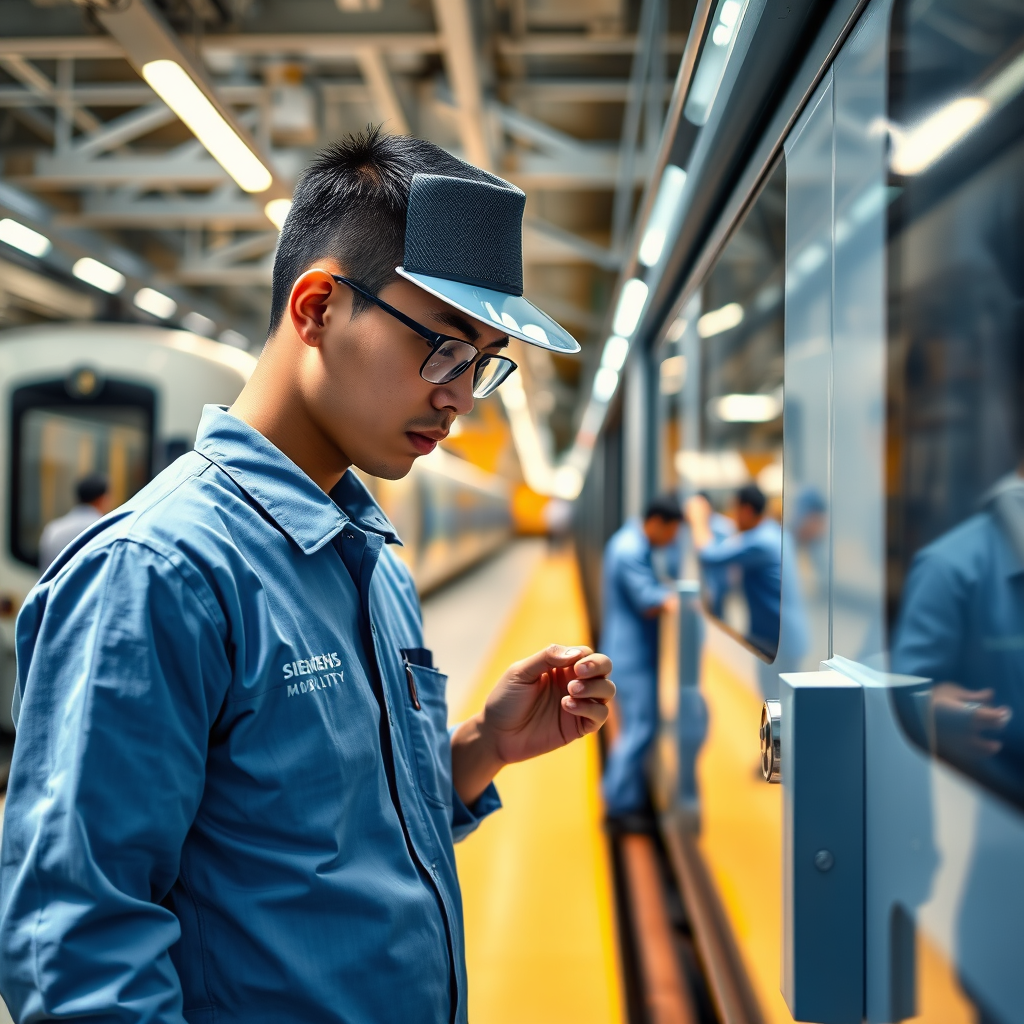
This article examines the recently awarded 40-month maintenance contract for the Kuala Lumpur metro’s Klang Valley Mass Rapid Transit (MRT) Line, highlighting the significance of this agreement for Siemens Mobility and the Malaysian transportation infrastructure. The contract, awarded by SMH Rail (a local consortium partner), builds upon a successful eight-year operational partnership. It demonstrates the growing importance of comprehensive maintenance contracts within the rail industry, focusing not only on component replacement but also on technical expertise, training, and the pursuit of operational efficiency and sustainability. We will delve into the specifics of the contract, exploring its scope, the technological implications, and its wider impact on the Malaysian railway system and Siemens Mobility’s global strategy. Furthermore, we will discuss the broader context of sustainable practices in the railway sector and how this contract contributes to these goals. Finally, we will consider the long-term implications of this partnership and its potential for future collaborations.
Siemens Mobility’s Continued Malaysian Presence
The 40-month maintenance contract awarded to Siemens Mobility by SMH Rail underscores the company’s established presence and expertise within the Malaysian railway market. This follows their successful involvement in the Sungai Buloh-Kajang (SBK) MRT Line project, where Siemens Mobility provided critical train technology and components, including traction converters (systems converting electrical power into mechanical power for train movement), train control systems (systems ensuring safe and efficient train operation), and bogies (the chassis of a railway vehicle). Their contribution to the SBK line, culminating in near 100% availability for the Blue and Green Line services, solidified their reputation for reliability and efficiency, making them a preferred partner for subsequent maintenance contracts. This ongoing relationship showcases the value of long-term partnerships in the rail industry, where trust and proven performance are crucial.
Scope and Significance of the Maintenance Contract
The contract extends beyond simple spare parts provision. It encompasses a comprehensive suite of services including:
- Component supply: Replacement of worn or damaged components to maintain optimal system performance.
- Subsystem support: Addressing issues within larger system groupings, requiring specialized knowledge and expertise.
- Technical supervision: On-site expert support to ensure proper maintenance procedures and troubleshooting.
- Employee training: Upskilling SMH Rail personnel to improve their operational capabilities and self-sufficiency.
This holistic approach aims to maximize the operational lifespan and efficiency of the 58 metro trains, contributing directly to the reliability of the Klang Valley MRT Line, a crucial component of Kuala Lumpur’s public transportation network. The emphasis on training also promotes local expertise and self-sufficiency within the Malaysian rail industry.
Sustainability and Future-Proofing the MRT System
The contract aligns with the growing global emphasis on sustainable transportation solutions. Siemens Mobility’s commitment to sustainability is directly relevant, not only through the efficient operation of the trains, minimizing energy consumption and reducing carbon footprint, but also through the use of environmentally conscious practices during maintenance. The prolonged lifespan of the trains, thanks to efficient maintenance, indirectly contributes to reducing the environmental impact associated with manufacturing and disposing of new rolling stock. This aspect of the contract highlights the expanding role of sustainability considerations within rail infrastructure projects and maintenance programs.
Strategic Implications for Siemens Mobility and the Malaysian Rail Sector
For Siemens Mobility, this contract represents a significant win, reaffirming their position as a leading player in the global rail market. It showcases their expertise in not only supplying rolling stock but also in providing comprehensive lifecycle support, a strategic advantage in an increasingly competitive market. For Malaysia, this contract reinforces the ongoing modernization and expansion of the country’s transportation infrastructure, supporting economic growth and improving the quality of life for millions of residents. The focus on local expertise development through employee training ensures the long-term success and sustainability of the Malaysian railway sector, moving towards greater independence and self-reliance.
Conclusion
The Siemens Mobility maintenance contract for the Kuala Lumpur metro’s Klang Valley MRT Line represents a significant milestone for both the company and Malaysia. This 40-month agreement goes beyond simple parts replacement, encompassing technical support, subsystem maintenance, technical supervision, and crucially, employee training. This holistic approach underscores the shift towards comprehensive lifecycle management within the rail industry, prioritizing not just immediate functionality but also long-term operational efficiency and sustainability. The success of this contract, building on the previous successful collaboration on the Sungai Buloh-Kajang MRT Line, is a testament to Siemens Mobility’s technical prowess and commitment to long-term partnerships. The agreement further highlights the increasing importance of sustainable practices within the railway sector, aligning with global efforts to reduce environmental impact while ensuring reliable and efficient public transportation. The training component is particularly significant, fostering local expertise and contributing to the long-term growth and self-sufficiency of the Malaysian railway system. In essence, this contract serves as a model for future rail infrastructure projects, emphasizing collaborative partnerships and a holistic approach to maintenance, sustainability, and workforce development.
RELATED POSTS

August 27, 2021 2:47 am
This article explores the development and testing of the Revolution...
August 2, 2022 6:48 pm
This article analyzes the strategic acquisition of One Rail Australia...
February 9, 2026 4:35 am
PennDOT awarded the SEDA-COG Joint Rail Authority a $2.1 million...
August 7, 2023 5:23 am
The global railway industry is a complex ecosystem involving significant...
August 19, 2018 9:53 am
Greenbrier's strategic acquisition of Rayvag unlocks massive Turkish rail market...
June 17, 2017 9:42 am
Here are a few options for a voiceover-friendly excerpt, keeping...