
Siemens Mobility Braunschweig: 150 Years of Rail Innovation
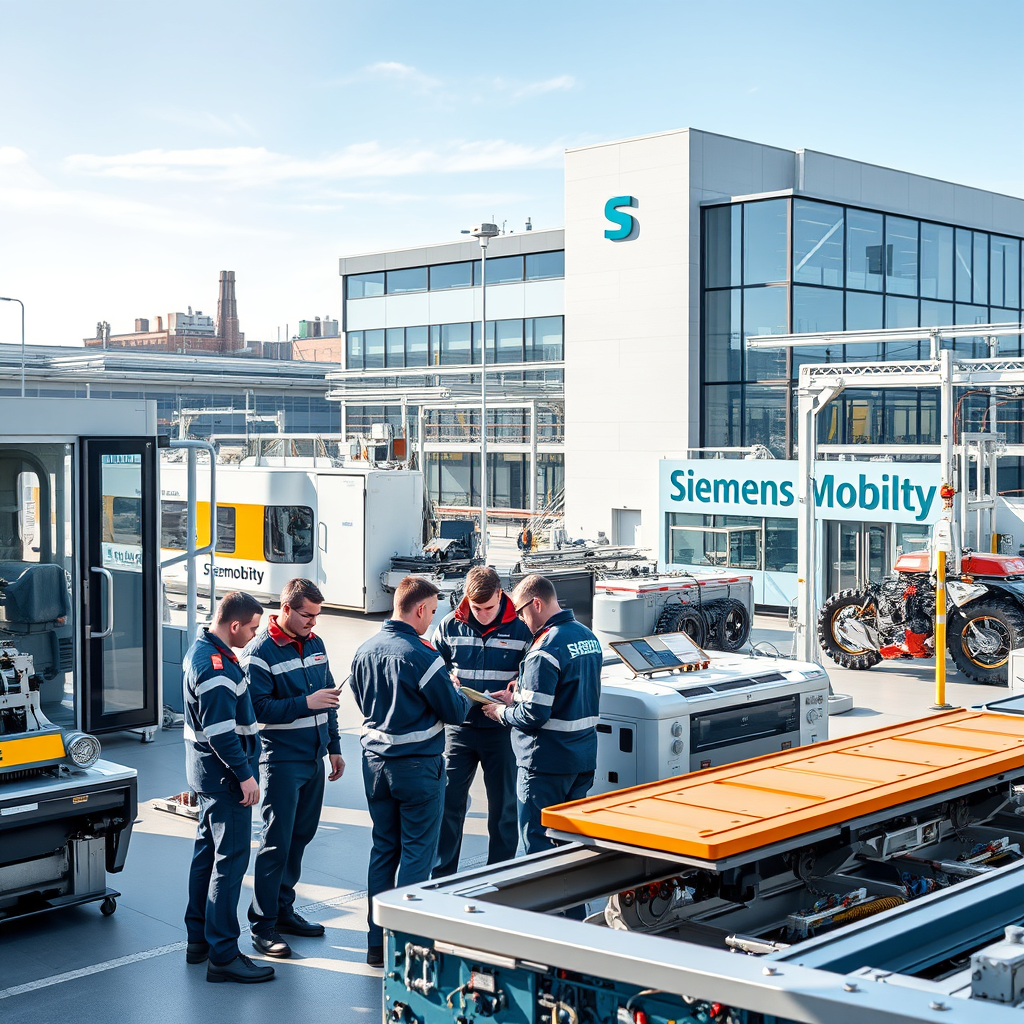
150 Years of Signaling Excellence: The Siemens Mobility Braunschweig Site
This article explores the rich history and enduring significance of the Siemens Mobility Braunschweig site, a cornerstone of railway signaling and automation technology. Established in 1873, this facility has played a pivotal role in shaping the evolution of rail transport, not only in Germany but globally. From its humble beginnings as a railway signaling company founded by Max Jüdel and Heinrich Büssing, to its current status as one of the largest and oldest such manufacturing locations in Germany, employing over 4,000 professionals from 46 countries, the Braunschweig site’s journey reflects the remarkable advancements in railway technology. We will examine the site’s historical contributions, its current technological prowess, its strategic importance in the context of Germany’s Digital Rail Germany (DRG) program, and its future prospects in an increasingly digitalized and automated rail landscape. The narrative will highlight the site’s key achievements, innovations, and ongoing commitment to shaping the future of railway mobility.
A Legacy of Innovation: The Early Years
The Braunschweig site’s story began in 1873, with the establishment of a railway signaling company by Max Jüdel and Heinrich Büssing. Within its first two decades, this nascent enterprise secured over 90 patents and constructed more than 1,000 interlockings (systems controlling points and signals), managing over 12,000 switches and signals. This early success demonstrated a commitment to innovation and a profound understanding of the evolving needs of the rail industry. The acquisition by Siemens Mobility, beginning in stages and culminating in a majority stake (51%) in 1928, marked a pivotal point, injecting significant resources and expertise into further developing and expanding the site’s capabilities. This strategic move laid the groundwork for the site’s growth into a global leader in rail signaling and automation.
Modernization and Technological Advancements
Today, the Braunschweig site stands as a testament to continuous innovation and technological advancement. With over 1,100 employees dedicated to production and assembly, the site boasts a comprehensive product portfolio reflecting decades of research and development. This commitment to cutting-edge technology is further evidenced by the €60 million investment in infrastructure over the past five years. This substantial investment showcases Siemens Mobility’s unwavering dedication to maintaining the Braunschweig site’s competitive edge in the rapidly evolving landscape of railway technology. The site’s expertise extends to the development and implementation of sophisticated systems for centralized train control and other Intelligent Transportation Systems (ITS), aligning with global trends toward greater automation and efficiency.
Strategic Role in Digital Rail Germany (DRG)
The Braunschweig site plays a crucial role in the German government’s ambitious Digital Rail Germany (DRG) program, aimed at modernizing the nation’s rail network. Siemens Mobility has positioned the Braunschweig site to be at the forefront of this modernization effort, leveraging its technological capabilities and experienced workforce. The site’s contributions to DRG involve the development and deployment of advanced signaling systems, automation technologies, and digital solutions that enhance safety, efficiency, and overall capacity of the German rail network. The site’s participation in this national initiative underscores its importance to Germany’s broader economic and transportation strategies.
A Future Focused on Innovation and Collaboration
The 150th-anniversary celebration highlighted not only the past achievements of the Braunschweig site but also its vision for the future. The signing of a letter of intent between Siemens Mobility and Continental, securing employment for over 100 Continental workers at the Braunschweig site over the next five years, exemplifies the site’s commitment to collaboration and workforce development. This partnership further strengthens the site’s capabilities and enhances its position as a leading center for innovation in railway technology. Looking ahead, the Braunschweig site is well-positioned to continue driving advancements in rail signaling and automation, contributing significantly to the global shift towards more sustainable, efficient, and technologically advanced rail transportation systems.
Conclusions
The Siemens Mobility Braunschweig site’s 150th anniversary is a significant milestone, celebrating not only a rich history of innovation but also a vibrant future brimming with potential. From its inception as a small railway signaling company, the site has grown into a global powerhouse, driven by continuous investment in research and development, a highly skilled workforce, and a strategic vision for the future of rail transportation. Its pivotal role in the Digital Rail Germany (DRG) program underscores its importance to national infrastructure modernization efforts. The strategic partnership with Continental further solidifies its position as a leader in the field, demonstrating a commitment to collaboration and workforce development. The €60 million investment in infrastructure over the last five years underlines Siemens Mobility’s confidence in the site’s future and its continued ability to deliver innovative solutions. As the world increasingly relies on efficient and sustainable transportation solutions, the Braunschweig site, with its long legacy of innovation and its commitment to technological advancement, is poised to play an even greater role in shaping the future of rail travel. The site’s success stands as a testament to the power of sustained investment, collaborative partnerships, and a deep commitment to pushing the boundaries of railway technology. Its continuing evolution reflects not just the progress of Siemens Mobility but also the broader transformation of the global rail industry.
RELATED POSTS
April 10, 2025 5:35 pm
Transforming Northern England’s Rail Network: The Transpennine Route Upgrade This...

April 7, 2025 11:49 pm
This article explores the recent developments and future plans of...

July 18, 2025 12:01 am
British Steel Secures £500 Million Rail Supply Deal, Bolstering UK...

December 22, 2025 8:40 pm
CPKC faces a C$2.7M penalty for exceeding grain revenue limits,...
February 20, 2021 7:55 pm
Introduction This article delves into the significant upgrade of the...
February 21, 2021 1:05 pm
Expanding Light Rail Transit (LRT) Systems: A Case Study of...