
Siemens Light Rail: Advancements in Sustainable Rail Systems
Here are a few options for a short, compelling, and voiceover-friendly excerpt:
**Option 1 (Focus on Innovation):**
> Modern rail systems are evolving, driven by innovation. Discover how advancements in infrastructure, rolling stock, and automation are shaping the future of efficient transport.
**Option 2 (Focus on Future & Sustainability):**
> The rail industry is leading the charge toward a sustainable future! Explore how advanced technologies and sustainable practices are transforming modern rail systems.
**Option 3 (Focus on Challenges & Solutions):**
> Facing growing demands? Modern rail systems are tackling challenges head-on. Learn about innovative solutions, like *Siemens light rail vehicles*, driving efficiency and sustainability.

Unveiling the Complexities of Modern Rail Systems
The evolution of railway systems has been a cornerstone of societal progress, transforming how we move people and goods across vast distances. This journey, however, is far from complete. Today’s rail networks are grappling with unprecedented demands, from increasing passenger numbers and freight volumes to the need for enhanced safety, efficiency, and sustainability. This article delves into the intricate world of modern rail systems, exploring the key challenges and innovative solutions shaping their future. We will examine the diverse components that contribute to the seamless operation of these complex networks, from infrastructure and rolling stock to signaling and control systems. Furthermore, we will analyze the impact of technological advancements and sustainable practices, providing a comprehensive overview of the present and future of rail transport. The goal is to understand not just the mechanics, but also the strategic importance of railways in a world increasingly focused on interconnectedness and environmental responsibility.
Modern Rail Infrastructure: The Foundation of Efficient Transport
The backbone of any successful rail system lies in its infrastructure. This encompasses a wide range of elements, including tracks, signaling systems, electrification, and stations. *Tracks*, the physical pathways upon which trains travel, require continuous maintenance to ensure safety and smooth operation. This involves regular inspections, timely repairs, and the implementation of innovative track technologies to minimize wear and tear. *Signaling systems* play a crucial role in regulating train movements, preventing collisions, and optimizing network capacity. These systems, which have evolved from basic mechanical signals to sophisticated computerized control centers, must be reliable and responsive to changing conditions. *Electrification*, the process of powering trains with electricity, offers significant environmental and operational benefits. Electric trains produce zero emissions at the point of use and often provide higher performance compared to diesel-powered counterparts. Finally, *stations* serve as critical hubs for passenger and freight operations, requiring careful design and management to ensure efficient passenger flow and seamless connectivity. Each of these components requires meticulous planning, significant investment, and ongoing maintenance to function effectively.
Rolling Stock: Design and Innovation
The rolling stock (trains) is a critical element. The design of trains has changed significantly over the years, evolving to meet the changing needs of passengers and freight operators. Modern trains incorporate advanced materials, such as lightweight alloys and composite materials, to reduce weight and improve energy efficiency. They are also equipped with sophisticated onboard systems that enhance safety, performance, and passenger comfort. *High-speed trains*, for example, utilize aerodynamic designs, powerful propulsion systems, and advanced braking technology to achieve incredible speeds, connecting distant cities with exceptional speed. *Freight trains* are designed to transport various types of cargo, from bulk materials to containers, and their design is often customized to meet specific operational requirements. *Passenger trains* place emphasis on comfort, accessibility, and passenger experience, including features such as comfortable seating, Wi-Fi connectivity, and accessibility features to accommodate passengers with reduced mobility. The ongoing development of rolling stock is crucial for improving the efficiency, safety, and attractiveness of rail transport.
Advanced Technologies and the Future of Rail
Technological advancements are transforming the rail industry. *Automation* is playing an increasingly important role in optimizing train operations. *Automatic Train Protection (ATP)* systems prevent train collisions, and *Automatic Train Operation (ATO)* systems automate train movement. *Predictive maintenance* utilizes data analytics and machine learning to predict potential failures, allowing maintenance teams to proactively address issues and minimize downtime. *Digitalization* is also transforming rail management, including the implementation of *digital twins* to simulate and optimize network performance, and the use of real-time data analytics to monitor and improve operational efficiency. As technology continues to evolve, the rail industry will benefit from even greater gains in efficiency, safety, and sustainability.
You might be interested in:
Last October 2018, we published an article about preventing rail disruptions with predictive technology. Click here to read – Network Rail’s TrackWater: IoT Rail Innovations
*Siemens light rail vehicles* are a prime example of this technological advancement, offering innovative solutions for urban and suburban transportation, incorporating the latest technologies for improved energy efficiency and passenger comfort.
Sustainability and the Role of Rail
Rail transport is inherently more sustainable than other modes of transport, especially when compared to air and road transport. Electric trains powered by renewable energy sources are capable of achieving zero emissions, significantly reducing the carbon footprint of the transport sector. *Sustainable practices* in the rail industry also include the use of recycled materials in track construction, the implementation of energy-efficient operational procedures, and the adoption of innovative technologies that reduce waste and conserve resources. The focus on sustainability is driving investments in rail infrastructure and rolling stock, making rail transport an increasingly attractive option for both passengers and freight operators. As governments and businesses around the world prioritize climate action and reduce their carbon emissions, the role of rail transport will only become more important.
Conclusion: Navigating the Rails of the Future
In conclusion, the modern rail system is a complex and multifaceted entity that demands constant innovation and adaptation. From the foundational infrastructure to the advanced technologies driving operational efficiency, every component plays a crucial role in the seamless operation of this essential form of transport. The evolution of rolling stock, the integration of automation and predictive maintenance, and the increasing emphasis on sustainability are reshaping the industry, making it more efficient, safer, and environmentally friendly. As cities grow and global connectivity becomes increasingly critical, rail transport will play an even larger role in transporting people and goods. By embracing the opportunities presented by technological advancements and prioritizing sustainable practices, the rail industry can ensure a more efficient and sustainable future. The continued development of innovative solutions, like *Siemens light rail vehicles*, will be central to meeting the ever-growing demands of the future. The future of rail is bright, and it will continue to be an important part of our lives.
RELATED POSTS
December 28, 2015 7:30 pm
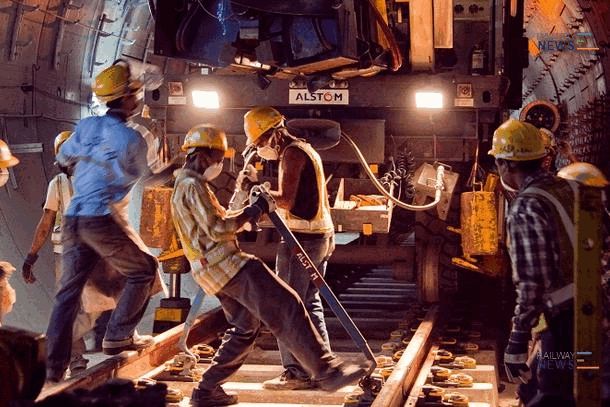
The Singapore downtown line stage 2, for which Alstom has...

October 25, 2016 7:16 pm
Deutsche Bahn (DB) and Siemens are launching a pilot application...
May 22, 2019 1:47 pm
BRX Transportation Holdings' acquisition of Pioneer Railcorp reshapes the short-line...
May 20, 2018 10:41 pm
Hill International secures major Indian rail contracts, managing Varanasi line...
October 28, 2025 2:54 am
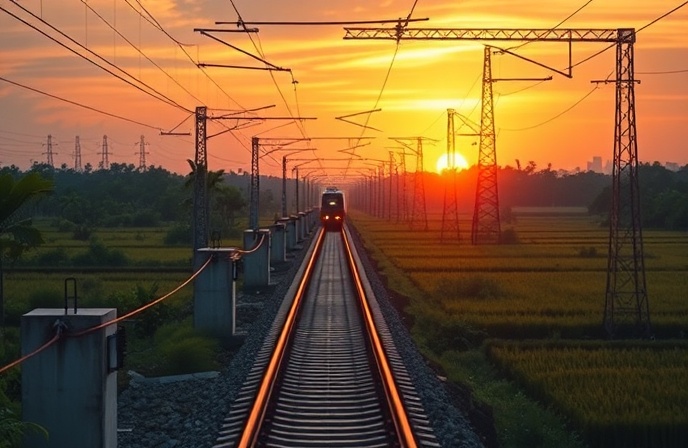
Surge's innovative **fiber optic network** strategy in Indonesia utilizes **railway**...
June 27, 2025 3:33 am
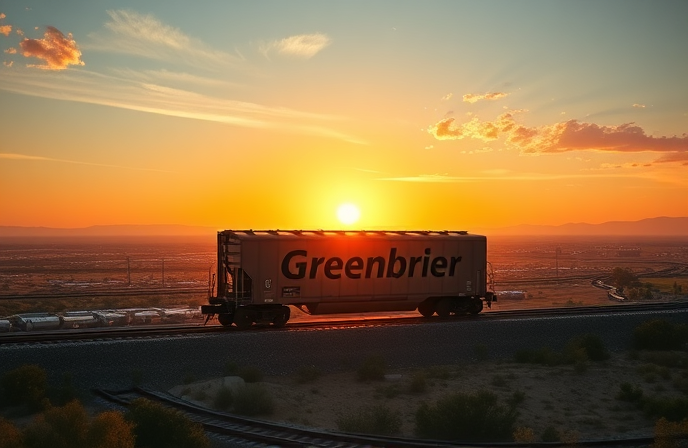
Greenbrier adds veteran railroad leaders to its board, boosting its...