
Siemens’ DTL3: Singapore Rail Innovation
Siemens’ cutting-edge CBTC system powers Singapore’s Downtown Line 3 extension, delivering GoA4 automation for a safer, more efficient metro. Discover how this transformative project shapes the future of urban rail!
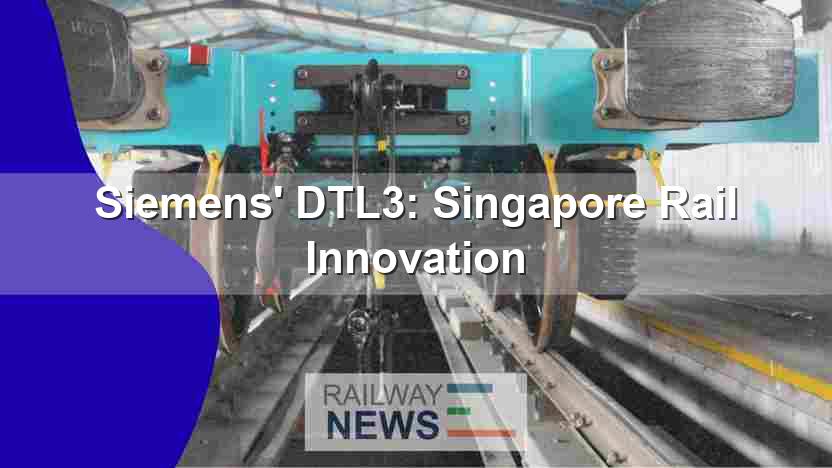
Siemens’ Provision of Signaling Technology for Singapore’s Downtown Line 3 Extension
This article explores the significant contract awarded to Siemens by the Singapore Land Transport Authority (LTA) for the supply of signaling technology to the Downtown Line 3 (DTL3) extension. The €90 million contract highlights Singapore’s commitment to advanced, automated rail systems and underscores Siemens’ position as a leading provider of cutting-edge signaling solutions in the global railway industry. The project involves the implementation of Siemens’ Communications-Based Train Control (CBTC) system, a sophisticated technology enabling fully automated train operations. This choice reflects Singapore’s focus on maximizing efficiency, capacity, and passenger experience within its expanding metro network. The integration of CBTC, along with the installation of platform screen doors (PSD), aims to enhance safety, reliability, and overall passenger satisfaction. The subsequent sections will explore the technical aspects of the CBTC system, the broader implications for Singapore’s rail infrastructure, and the overall impact on urban transportation within the city-state.
Communications-Based Train Control (CBTC) Technology
The core of the Siemens contract lies in its provision of the Communications-Based Train Control (CBTC) system for the DTL3 extension. CBTC represents a significant advancement in railway signaling, moving away from traditional track-circuit-based systems to a fully digital, communication-based approach. This technology uses continuous, real-time communication between the train and the trackside infrastructure to precisely control train movements, spacing, and speed. The benefits are numerous: enhanced safety through automatic train protection (ATP), increased capacity due to shorter headways (the minimum time interval between trains), and improved operational efficiency. The CBTC system implemented by Siemens boasts a Grade of Automation 4 (GoA4) rating from the International Association of Public Transport (UITP), signifying its capability for fully automated, driverless operation. This GoA4 level represents the highest level of automation currently achievable in railway systems, allowing for completely unattended train operations and maximizing system efficiency. The deployment of this cutting-edge technology positions Singapore’s Downtown Line at the forefront of global automated rail transit.
Expanding Singapore’s Mass Transit System
The DTL3 extension, slated for completion in 2024, is a crucial element in the expansion of Singapore’s already extensive mass transit network. The integration with the Thomson-East Coast Line (TEL) will create a vital interconnectivity hub, streamlining passenger journeys across the city. This expansion significantly enhances the overall capacity of Singapore’s public transportation system, accommodating the city’s growing population and facilitating daily commutes for a projected half-million passengers. The existing Downtown Line (DTL), consisting of DTL1, DTL2, and DTL3, already serves a substantial ridership, demonstrating the critical role these lines play in the daily lives of Singaporeans. The addition of the DTL3 extension is not simply an expansion, but a vital step toward creating a more integrated and efficient public transit network.
Siemens’ Role in Global Rail Infrastructure
Siemens’ involvement in the DTL3 project showcases the company’s expertise and leadership in the global railway signaling market. The award of this substantial contract reaffirms Siemens’ reputation for delivering high-quality, technologically advanced solutions. The successful commissioning of the initial Downtown Line sections demonstrates Siemens’ ability to handle large-scale infrastructure projects efficiently and effectively. Their experience in implementing CBTC systems globally provides valuable insight and best practices applicable to the ongoing advancements in Singapore’s mass transit infrastructure development. This project strengthens Singapore’s partnership with a leading global railway technology provider, contributing to the development of a world-class mass transit system.
Conclusion
The Siemens contract for the Downtown Line 3 extension represents a significant milestone in Singapore’s ongoing investment in advanced rail technology. The implementation of Siemens’ GoA4 CBTC system, along with platform screen doors (PSDs), will enhance safety, capacity, and the overall passenger experience, catering to the growing transportation demands of the city-state. The integration of DTL3 with the TEL further strengthens the city’s public transportation network, creating a more efficient and interconnected system. This project not only showcases Singapore’s commitment to modern, efficient public transportation but also highlights Siemens’ leading role in providing cutting-edge signaling solutions for urban rail systems worldwide. The successful completion of this project will further solidify Singapore’s reputation as a leader in innovative and sustainable urban transportation, setting a benchmark for other cities aiming to improve their public transit infrastructure. The project’s success will depend on effective project management, seamless integration of new technologies with existing systems, and rigorous testing to ensure the reliability and safety of the automated train operations. The DTL3 extension, therefore, serves as a compelling case study for the future of automated urban rail transit globally.

Railway infrastructure, rolling stock and transport technologies specialist focused on global rail industry developments, high-speed rail systems, signaling technologies and freight transportation. Covering railway investments, public transport modernization, rail operations and international mobility projects across Europe, Asia and North America.
RELATED POSTS

September 6, 2026 5:19 am
Hitachi delivered Taiwan's first N700ST high-speed train from Japan in...

September 5, 2026 4:19 pm
CPK launched formal tender talks with four consortia to design...

September 5, 2026 7:14 pm
HS2 Ltd signed renegotiated civils contracts with EKFB and Align...

September 6, 2026 4:12 am
Alstom delivered the first of 100 new G Class trams...

September 6, 2026 6:17 am
Hungary ordered a national ban on most freight trains from...

September 6, 2026 1:17 am
Hitachi Toshiba Supreme Consortium confirmed the first of 12 N700ST...