
Siemens, Bane NOR: Digital Rail Revolution
Railway modernization is accelerating! Massive deals for high-speed trains and digital signaling systems are transforming the industry – discover how!
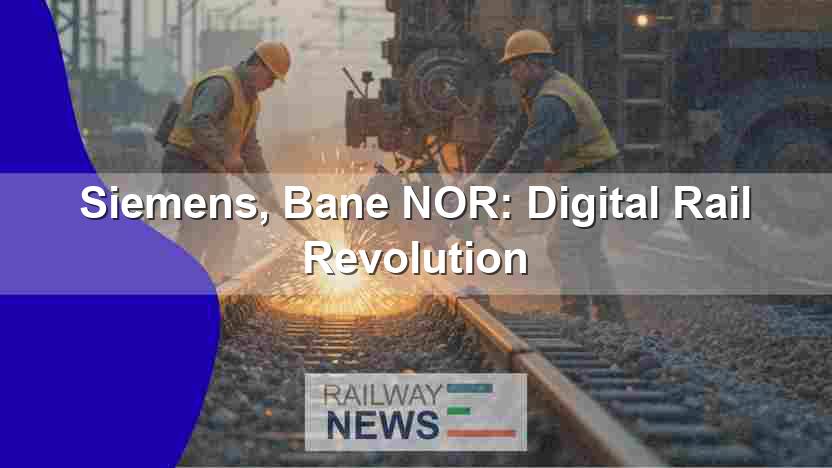
The global railway industry is experiencing a period of significant transformation, driven by the need for increased capacity, improved efficiency, and enhanced passenger experience. This article explores several recent major contracts awarded in the railway sector, highlighting the key technological advancements and strategic partnerships shaping the future of rail transportation. We will examine contracts awarded to leading companies like Bombardier Transportation, Siemens, and the collaborative efforts between the Rail Safety and Standards Board (RSSB) and academic institutions. These examples showcase diverse aspects of the industry, from the procurement of advanced rolling stock to the implementation of cutting-edge signaling systems and research initiatives focused on operational efficiency and safety. The analysis will consider the broader implications of these deals for the industry’s technological trajectory and the ongoing pursuit of sustainable and efficient rail networks worldwide.
Bombardier Transportation’s Contract with Västtrafik
Swedish regional transportation provider Västtrafik awarded Bombardier Transportation a substantial contract valued at $452 million for the supply of 40 high-speed electric trains, with an option for an additional 60. This deal underscores the growing demand for modern, high-performance rolling stock to meet increasing passenger numbers and improve regional connectivity. The deployment of these trains in the Västra Götaland region of Sweden represents a significant investment in upgrading the existing rail infrastructure and enhancing the overall passenger experience. The scheduled delivery commencing in 2021 highlights the complexity of manufacturing and the lead times involved in such large-scale projects. This contract exemplifies the ongoing trend towards electrification and the adoption of modern, high-speed train technology in regional rail networks globally.
Siemens’ Digitalization of Bane NOR’s Signaling System
Bane NOR, the Norwegian state-owned rail network operator, awarded Siemens an €800 million ($990 million) contract to digitalize its signaling system and implement the European Train Control System (ETCS). This significant investment represents a major step towards modernizing Norway’s rail infrastructure. The transition to ETCS, a European-wide standard for train control, improves safety and efficiency by allowing for higher train speeds and reduced headway (the minimum time interval between successive trains). The 25-year maintenance agreement highlights the long-term commitment and the significant ongoing operational costs associated with maintaining advanced signaling systems. The project’s anticipated completion in 2034 underscores the extensive timeframes involved in such large-scale infrastructure upgrades.
RSSB’s Research Initiative on Knock-on Train Delays
The Rail Safety and Standards Board (RSSB) commissioned a 12-month research project with City University of London and Risk Solutions to investigate the causes of knock-on train delays. This initiative highlights the ongoing efforts to improve the resilience and punctuality of rail networks. Collaboration with Great Western Railway (GWR) provides valuable real-world data and operational insights. Understanding and mitigating the causes of cascading delays is crucial for enhancing network efficiency and passenger satisfaction. The research is expected to yield strategies for optimizing train scheduling, improving signaling systems, and enhancing overall network resilience.
Sonoma-Marin Area Rail Transit District (SMART) Expansion
The Federal Transit Administration (FTA) awarded a $22.5 million grant to the Sonoma-Marin Area Rail Transit District (SMART) under the Capital Investment Grants (CIG) program. This funding will support the extension of the rail line from San Rafael to Larkspur, aiming to alleviate traffic congestion on US Highway 101. This exemplifies the role of government funding and the wider societal benefits derived from rail infrastructure development. The project demonstrates the integration of rail expansion with broader transportation planning and urban development strategies, aiming to improve both regional connectivity and traffic flow.
Conclusions
The contracts reviewed demonstrate a strong emphasis on modernization and technological advancements within the railway industry. Bombardier’s deal with Västtrafik showcases the increasing demand for modern high-speed electric trains, while Siemens’ contract with Bane NOR highlights the strategic importance of digitalizing signaling systems and implementing the ETCS standard for enhanced safety and efficiency. The RSSB’s research initiative underscores the ongoing commitment to addressing operational challenges like knock-on delays, improving network resilience, and ultimately enhancing the passenger experience. Finally, the SMART expansion project, supported by the FTA grant, emphasizes the significant role of government investment in rail infrastructure development and its contribution to broader transportation planning and urban development goals. These diverse examples illustrate the dynamism of the railway sector, driven by technological innovation, strategic partnerships, and a commitment to improving efficiency, safety, and the overall passenger experience. The long-term implications of these investments extend beyond immediate operational improvements; they contribute to the development of sustainable, efficient, and resilient rail transportation networks that will meet the evolving needs of passengers and communities for years to come.

Railway infrastructure, rolling stock and transport technologies specialist focused on global rail industry developments, high-speed rail systems, signaling technologies and freight transportation. Covering railway investments, public transport modernization, rail operations and international mobility projects across Europe, Asia and North America.
RELATED POSTS
September 6, 2026 5:19 am
Hitachi delivered Taiwan's first N700ST high-speed train from Japan in...

September 5, 2026 7:14 pm
HS2 Ltd signed renegotiated civils contracts with EKFB and Align...

September 6, 2026 4:12 am
Alstom delivered the first of 100 new G Class trams...
September 6, 2026 1:17 am
Hitachi Toshiba Supreme Consortium confirmed the first of 12 N700ST...
September 5, 2026 6:17 pm
Universal Signalling won a deal to install its U-Cross system...
September 6, 2026 12:20 pm
Indian Railways ordered a probe after a fire destroyed 2...