
Siemens-Alstom Merger: Competition, Divestments, & Rail’s Future
The Siemens-Alstom merger shows how major rail industry consolidation requires significant divestments to address competition concerns. Discover how regulators shaped this mega-merger!
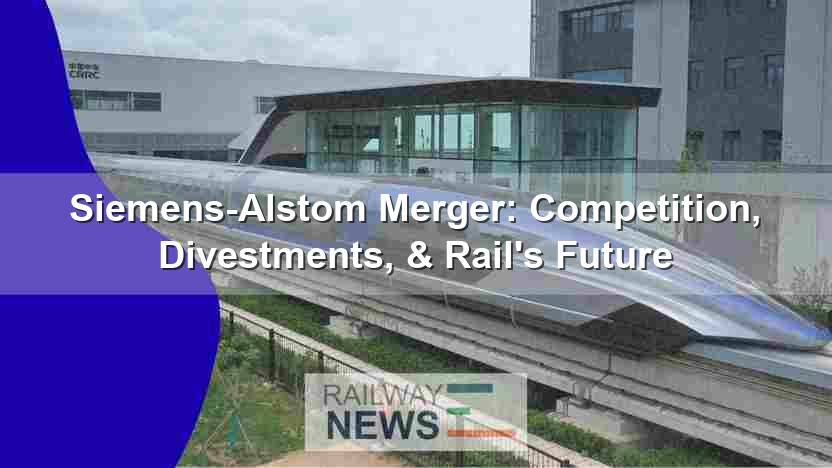
The proposed merger between Siemens and Alstom, two global giants in the rail industry, has faced significant scrutiny from regulatory bodies due to potential anti-competitive implications. This article explores the complexities of this merger, examining the rationale behind the deal, the competition concerns raised by regulators, and the subsequent divestment strategies employed by Siemens and Alstom to secure regulatory approval. The analysis explores the broader impact of such mega-mergers on market dynamics, innovation, and the future landscape of the railway sector. The European Commission’s (EC) in-depth review highlights the critical need for a thorough assessment of the potential consequences of consolidation within this vital industry. The decisions made by Siemens and Alstom in response to these concerns demonstrate the strategic challenges faced when attempting to achieve significant industry consolidation in a heavily regulated environment. This case study will illuminate the intricate interplay between corporate strategy, regulatory oversight, and the long-term health of a crucial sector like rail transportation.
The Rationale Behind the Merger
The primary driver behind the Siemens-Alstom merger was the pursuit of economies of scale and enhanced competitiveness in a global market experiencing increasing demand for sophisticated rail technologies. By combining their respective strengths in areas like high-speed trains, signaling systems, and traction drives, the merged entity, Siemens Alstom, aimed to create a behemoth capable of securing larger contracts and developing technologically superior products. This strategic move was intended to provide a stronger position against competitors, particularly in international markets where significant infrastructure investment was planned. The anticipated synergies also included streamlined research and development (R&D), optimized manufacturing processes, and potentially lower procurement costs. However, the significant size of the combined entity raised immediate concerns regarding market dominance and reduced competition.
Competition Concerns and Regulatory Scrutiny
The EC’s investigation focused on potential anti-competitive practices stemming from the combined market share of the merged entity. The concern was that the reduced competition could lead to increased prices for railway equipment and components, hindering innovation, and potentially disadvantaging smaller players. This fear was particularly acute in the areas of high-speed train manufacturing and signaling systems, where both Siemens and Alstom held significant market positions. The investigation also considered the potential impact on the wider rail supply chain and the potential for exclusionary practices towards smaller firms. Several national regulatory bodies also voiced similar concerns, emphasizing the importance of maintaining a competitive and innovative rail industry. The EC’s decision-making process involved a careful evaluation of the market structure, competitive dynamics, and the potential long-term consequences of the merger.
Divestment Strategies: A Necessary Concession
To address the competition concerns and secure regulatory approval, Siemens and Alstom offered a series of divestments. Initially, they proposed selling off their high-speed train manufacturing business and significant portions of their signaling assets. However, the EC deemed these concessions insufficient. Consequently, Siemens and Alstom were compelled to expand the scope of their divestment proposals, geographically and in terms of the assets involved. This underscores the significant pressure exerted by regulators to ensure a level playing field and prevent monopolies in the rail industry. The precise details of these additional divestments were not publicly disclosed but are likely to have involved further strategic assets, ensuring a viable competitive landscape post-merger.
The Broader Implications of Mega-Mergers in the Rail Sector
The Siemens-Alstom merger case serves as a crucial example of the complexities inherent in large-scale mergers within regulated industries. While such mergers can drive innovation and efficiency, they also carry the risk of stifling competition and negatively impacting consumers. The EC’s thorough investigation and the subsequent divestment requirements highlight the importance of balancing the potential benefits of consolidation with the need to safeguard market competitiveness. This case study provides valuable insights for future merger proposals in the rail sector and underscores the need for a proactive approach by regulators to ensure that consolidation does not come at the expense of innovation, consumer choice, and overall market health. The willingness of Siemens and Alstom to engage in extensive divestment demonstrates the strong regulatory pressure within the industry and the high stakes involved in achieving such a significant merger.
Conclusions
The proposed merger between Siemens and Alstom, while aiming for enhanced competitiveness and economies of scale, faced considerable regulatory hurdles due to concerns over anti-competitive practices. The European Commission’s (EC) investigation highlighted the potential for reduced competition and increased prices in the rail market, particularly in high-speed trains and signaling systems. In response, Siemens and Alstom undertook a series of divestments, initially offering the sale of their high-speed train manufacturing and parts of their signaling assets. However, facing further pressure from the EC, they expanded the scope of their concessions, demonstrating the significant regulatory oversight within the industry. The approval process underscores the intricate balance between the potential benefits of large-scale mergers and the crucial need to protect competition. This case study serves as a potent illustration of the regulatory landscape shaping major developments in the rail sector, illustrating how the pursuit of increased competitiveness through mergers can be checked by a regulatory drive to maintain fair market conditions. The outcome, while still uncertain at the time of this writing, will undoubtedly shape future merger and acquisition activity in the rail industry, setting precedents for future consolidations and illuminating the stringent standards applied to ensure market integrity and robust competition.

Railway infrastructure, rolling stock and transport technologies specialist focused on global rail industry developments, high-speed rail systems, signaling technologies and freight transportation. Covering railway investments, public transport modernization, rail operations and international mobility projects across Europe, Asia and North America.
RELATED POSTS

October 8, 2026 1:15 pm
Alstom secured a €1bn contract to build 13 automated trains,...

October 1, 2026 7:09 am
United States regulators confirmed a September 30 deadline for the...

October 8, 2026 12:18 pm
Siemens Mobility signed an agreement with VinSpeed to supply 350...

October 4, 2026 5:14 pm
Alstom secured a CA$4.7 billion order from VIA Rail Canada...

October 5, 2026 6:12 pm
AECOM and Jacobs secured a contract in September 2026 to...

October 1, 2026 12:13 am
Illinois approved $1.5 billion annually for the Northern Illinois Transit...