
Siemens’ £200M UK Rail Investment: Jobs, Growth & Tech
Siemens’ £200 million Goole rail factory: 700 new jobs, cutting-edge tech, and a sustainable future for UK rail. Discover how!
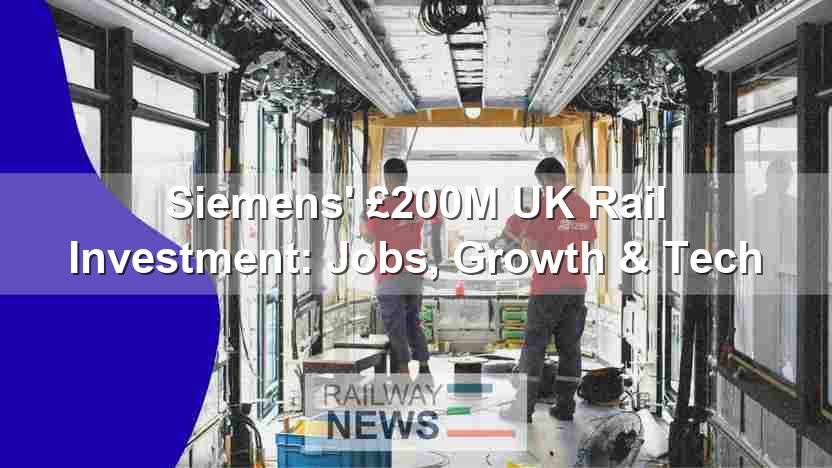
This article examines the strategic implications of Siemens Mobility’s proposed £200 million (approximately $250 million USD) rail manufacturing facility in Goole, East Yorkshire, UK. The project, encompassing a substantial 80,000m² facility including manufacturing, commissioning, warehousing, stabling sidings, and office space, represents a significant commitment to the UK rail industry. This investment is not merely a construction project; it is a strategic move reflecting several key factors: the burgeoning UK rail market, Siemens’ ambitions in digital rail technology, the potential for job creation and economic growth, and the company’s long-term vision for sustainable manufacturing. We will delve into these aspects, analyzing the potential benefits and challenges associated with this ambitious undertaking and its broader implications for the future of rail manufacturing in the UK.
The Expanding UK Rail Market
The UK’s rail network is undergoing a period of significant expansion and modernization. Increasing passenger numbers, the need for improved infrastructure, and a focus on sustainable transport solutions are driving demand for new rolling stock (trains). Siemens’ investment directly addresses this growing demand, positioning the company to capitalize on lucrative contracts, such as the aforementioned £1.5 billion contract with Transport for London (TfL) for 94 Tube trains. This large-scale project acts as a cornerstone, demonstrating the viability and profitability of manufacturing within the UK market. The strategic location in Goole, with its access to transport links and skilled workforce, further enhances this positioning.
Siemens’ Focus on Digital Rail Technologies
The new facility is not just about building trains; it’s about building intelligent trains. Siemens is a prominent player in the field of digital rail technology, and the Goole facility will serve as a hub for integrating advanced technologies into its rolling stock. This commitment to digitalization will allow Siemens to offer more sophisticated, efficient, and maintainable trains, furthering its competitive edge in the market. This focus on digitalisation aligns with the UK government’s broader ambitions for a more technologically advanced and efficient rail network.
Economic Impact and Job Creation
The project is expected to generate significant economic benefits for the region and the UK as a whole. Siemens plans to create up to 700 direct jobs at the facility, with an additional 250 jobs during the construction phase. This is a considerable boost to the local economy, particularly in an area potentially benefitting from the revitalization of its industrial sector. The ripple effect extends beyond direct employment, with an estimated 1,700 additional jobs supported within the supply chain, highlighting the broader economic stimulation potential of this significant infrastructure investment.
Sustainability and Long-Term Vision
Siemens has explicitly emphasized the commitment to building a “sustainable, long-term, and technically advanced facility.” This commitment to sustainability is crucial in today’s environmental landscape. A focus on efficient manufacturing processes, responsible resource management, and potentially the incorporation of environmentally friendly materials in the rolling stock itself will enhance the project’s reputation and align with the UK’s growing environmental consciousness. This sustainability commitment demonstrates a long-term investment philosophy beyond simply profit maximization.
Conclusions
Siemens Mobility’s £200 million investment in a new rail manufacturing facility in Goole signifies a pivotal moment for the UK rail industry. This is not merely a construction project; it represents a strategic commitment to the UK market, leveraging the growing demand for rolling stock, technological advancements in digital rail, and the potential for substantial economic growth. The anticipated job creation, both direct and indirect, offers a substantial boost to the regional economy. The emphasis on sustainability underscores Siemens’ long-term vision, promoting environmentally responsible manufacturing practices. The facility’s success is predicated on securing continued contracts and maintaining a skilled workforce. However, potential challenges remain, including navigating the complexities of the UK regulatory environment, ensuring a smooth supply chain, and managing workforce recruitment and retention. Ultimately, this project’s success will contribute significantly to the modernization of the UK rail network, cementing Siemens’ position as a leader in the sector and setting a benchmark for future investments in the industry. The potential economic benefits and technological advancements associated with this initiative represent a positive step towards a more efficient, sustainable, and technologically advanced rail system for the UK. The planned opening of the first phase in 2023 and full operational capacity by 2025 marks a significant milestone, promising a substantial impact on the UK’s rail infrastructure and economy for years to come.

Railway infrastructure, rolling stock and transport technologies specialist focused on global rail industry developments, high-speed rail systems, signaling technologies and freight transportation. Covering railway investments, public transport modernization, rail operations and international mobility projects across Europe, Asia and North America.
RELATED POSTS

October 1, 2026 7:09 am
United States regulators confirmed a September 30 deadline for the...

October 8, 2026 1:15 pm
Alstom secured a €1bn contract to build 13 automated trains,...

October 4, 2026 5:14 pm
Alstom secured a CA$4.7 billion order from VIA Rail Canada...

October 1, 2026 12:13 am
Illinois approved $1.5 billion annually for the Northern Illinois Transit...

October 6, 2026 2:14 am
Union Pacific launched export rail shipments with Ferromex to deliver...

October 1, 2026 6:10 am
Amtrak approved a System Expansion Committee on July 30 to...