
Shanghai’s Songjiang Tram: A LRT Case Study
Shanghai’s Songjiang tram line: a model for light rail success. Discover how seamless integration, modern trams, and expert operation boosted ridership and sustainability!
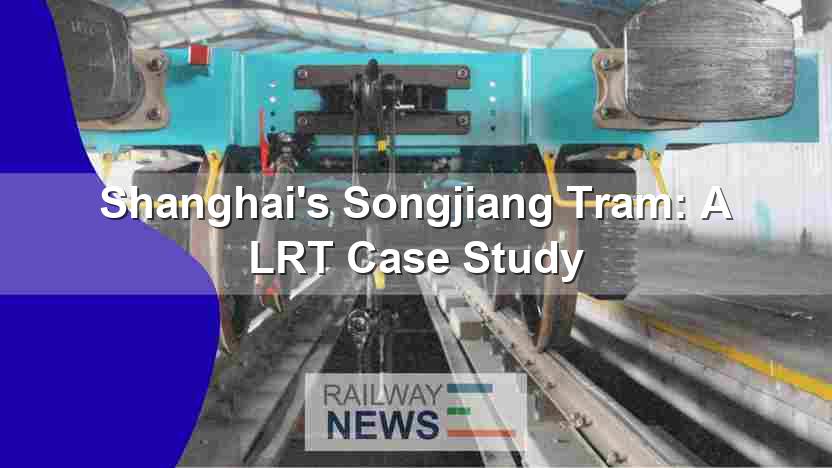
This article examines the successful implementation and launch of the Songjiang tram line in Shanghai, China, a significant project showcasing the growing importance of light rail transit (LRT) systems in rapidly urbanizing areas. The project, a joint venture between Shanghai Shentong Metro Group and Keolis (a global leader in public transport operation), highlights key aspects of modern LRT development, including infrastructure planning, vehicle procurement, operational management, and the broader impact on urban mobility and sustainability. We will analyze the initial phase of the project, focusing on the completed 13.9km section, and discuss the future expansion plans and the wider implications for Shanghai’s transportation network and its commitment to environmentally friendly public transport solutions. The strategic partnerships and technological advancements involved in the Songjiang project serve as a valuable case study for other cities grappling with similar transportation challenges and aiming to improve their public transport infrastructure. The article further explores the broader context of Keolis’ global presence in the LRT sector and their future projects.
Infrastructure Development and Network Integration
The initial phase of the Songjiang tram line, spanning 13.9 kilometers and encompassing 20 stations, represents a significant addition to Shanghai’s public transportation network. The line’s strategic design ensures seamless connectivity with existing infrastructure, significantly Shanghai Metro Line 9, facilitating efficient multi-modal travel for commuters. This integration is crucial for maximizing the line’s effectiveness and attracting ridership. The choice of route and station locations reflects careful planning to serve densely populated areas and key destinations within Songjiang, a suburban district with nearly 1.8 million residents. The successful completion of this phase underscores the importance of meticulous planning and coordination in large-scale infrastructure projects.
Vehicle Acquisition and Operational Management
The Songjiang tram line utilizes 15 Alstom Citadis trams (with a planned total of 30), showcasing a commitment to modern, high-capacity rolling stock. Alstom Citadis trams are known for their reliability, passenger comfort, and energy efficiency. The selection of these vehicles reflects a focus on providing a high-quality passenger experience and minimizing environmental impact. The operational management, undertaken by Shanghai Keolis, a joint venture (JV) between Shanghai Shentong Metro Group and Keolis, demonstrates the benefits of combining local expertise with international best practices in public transport operation and maintenance. The five-year contract awarded to Shanghai Keolis for operation and maintenance emphasizes a long-term commitment to service quality and system reliability.
Environmental and Societal Impact
The introduction of the Songjiang tram line provides a significant boost to Shanghai’s commitment to sustainable transportation. By offering a faster and more environmentally friendly alternative to private vehicles, the tram line contributes to reducing traffic congestion and lowering carbon emissions within Songjiang. The increased accessibility offered by the tram system improves connectivity for residents, facilitating access to jobs, education, and other essential services. This positive societal impact highlights the broader benefits of investing in modern, efficient public transportation systems beyond merely addressing commuting needs.
Future Expansion and Global Implications
The ongoing expansion of the Songjiang tram line to a total length of 31 kilometers with 46 stations demonstrates the project’s long-term vision. This expansion will further enhance connectivity within Songjiang and solidify its role as a key component of Shanghai’s broader transportation network. The success of the Songjiang project contributes to Keolis’s extensive global experience in operating tram networks (21 networks worldwide, covering 9,855 km of track). Their planned expansion into Australia, Qatar, Canada, and Denmark underscores the growing global demand for efficient and sustainable light rail solutions. This demonstrates Keolis’s position as a leading player in the international LRT market.
Conclusions
The launch of the Songjiang tram line’s initial section marks a significant milestone in Shanghai’s public transportation development and demonstrates the successful collaboration between Shanghai Shentong Metro Group and Keolis. The project’s success hinges on meticulous planning, strategic infrastructure integration, the deployment of modern rolling stock (Alstom Citadis trams), and effective operational management by Shanghai Keolis. The line’s immediate impact includes improved connectivity for Songjiang’s 1.8 million residents, offering a faster and more environmentally friendly alternative to private vehicles. Additionally, the project showcases the broader benefits of integrating light rail transit into a city’s existing transport infrastructure, enhancing multi-modal travel options and reducing reliance on private cars. The planned expansion of the network underlines Shanghai’s commitment to long-term sustainable urban development. The success of the Songjiang tram line, within the wider context of Keolis’s global operations, provides a compelling case study for cities worldwide seeking to enhance their public transportation systems and address growing urban mobility challenges while promoting sustainable development and environmental responsibility.

Railway infrastructure, rolling stock and transport technologies specialist focused on global rail industry developments, high-speed rail systems, signaling technologies and freight transportation. Covering railway investments, public transport modernization, rail operations and international mobility projects across Europe, Asia and North America.
RELATED POSTS

September 6, 2026 5:19 am
Hitachi delivered Taiwan's first N700ST high-speed train from Japan in...

September 5, 2026 4:19 pm
CPK launched formal tender talks with four consortia to design...

September 6, 2026 4:12 am
Alstom delivered the first of 100 new G Class trams...

September 6, 2026 6:17 am
Hungary ordered a national ban on most freight trains from...

September 6, 2026 1:17 am
Hitachi Toshiba Supreme Consortium confirmed the first of 12 N700ST...

September 7, 2026 8:16 am
Midea, Gree and TCL shipped air conditioners via China Railway...