
Shanghai’s Driverless Rail: Bombardier’s INNOVIA APM 300 Insights
Shanghai’s driverless Pujiang Line, powered by Bombardier’s INNOVIA APM 300, proves automated transit’s efficiency and passenger appeal. Discover how this innovative system is transforming urban transport!
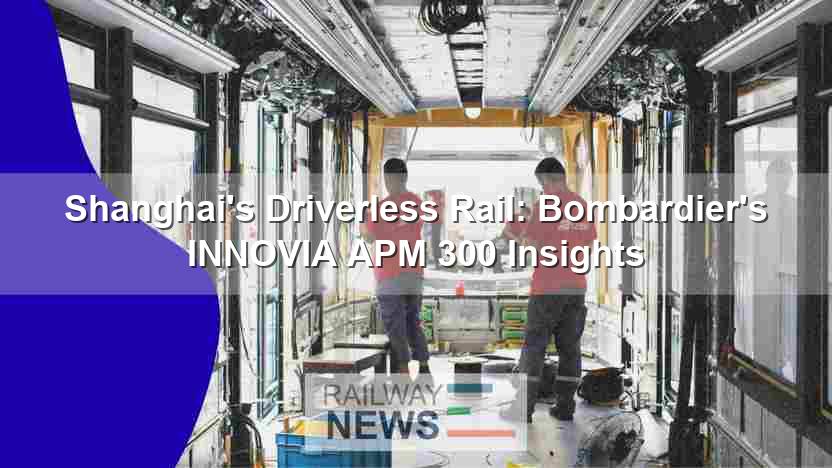
This article examines the successful implementation of Bombardier’s INNOVIA APM 300 automated people mover (APM) system on Shanghai Metro’s Line 8 Phase 3, also known as the Pujiang Line. The deployment of this driverless technology represents a significant advancement in urban transit, offering a glimpse into the future of efficient and sustainable public transportation. We will explore the technological features of the system, its operational implications, and its broader significance within the context of China’s rapidly expanding railway network. The successful integration of this technology in Shanghai provides valuable insights for other cities grappling with increasing urbanization and the need for improved public transportation infrastructure. This case study will delve into the technological specifics, operational efficiency, and the wider impact of this project on the urban landscape and future development of driverless transit systems globally. The analysis will cover the key aspects of the system’s design, implementation challenges, and operational performance, highlighting the lessons learned and potential future applications of this groundbreaking technology.
Technological Advancements in the INNOVIA APM 300 System
The INNOVIA APM 300 system, a fully automated driverless solution, showcases Bombardier’s expertise in advanced rail technology. Its key features include a dual-lane elevated configuration spanning 6.6km, connecting Pujiangzhen to Shendu Highway Station. The 44 vehicles delivered by Bombardier’s Chinese joint venture, CRRC Puzhen Bombardier Transportation Systems (PBTS), utilize rubber tires to minimize noise and vibration, enhancing the passenger experience. The system’s use of wide doors facilitates rapid passenger boarding and alighting, contributing to operational efficiency. Crucially, the integration of Bombardier’s CITYFLO 650 CBTC (Communication-Based Train Control) system allows for significantly reduced headways (the distance between trains) leading to increased operational frequency and passenger capacity.
Operational Efficiency and Passenger Experience
The Pujiang Line’s successful operation demonstrates the practicality and efficiency of driverless APM systems in a high-density urban environment. The reduction in operational costs associated with eliminating human drivers is substantial. Additionally, the precise control offered by the CBTC system allows for optimized train scheduling, maximizing passenger throughput and minimizing waiting times. The enhanced passenger experience, characterized by reduced noise and vibration, along with easy boarding and comfortable travel, contributes to greater public acceptance and ridership. The system’s reliability and safety features, inherent in its automated design, build confidence among passengers and stakeholders.
Bombardier’s Role in China’s Rail Expansion
Bombardier’s significant involvement in China’s rail sector underscores the country’s commitment to modernizing its transportation infrastructure. With six joint ventures and seven wholly foreign-owned enterprises, Bombardier has delivered thousands of high-speed railway passenger cars, electric locomotives, and metro cars across various Chinese cities. The Pujiang Line project solidifies Bombardier’s position as a leading provider of advanced rail technologies in China and serves as a testament to their successful collaboration with local partners. The continued expansion of such partnerships is crucial for the sustained growth and development of China’s ambitious railway modernization plans.
Conclusion: A Paradigm Shift in Urban Transit
The successful implementation of Bombardier’s INNOVIA APM 300 system on Shanghai’s Pujiang Line represents a significant milestone in automated transit technology. The project highlights the operational efficiency, enhanced passenger experience, and cost-effectiveness achievable through driverless APM systems. The seamless integration of advanced technologies like CBTC, coupled with Bombardier’s extensive experience in the Chinese rail market, has resulted in a highly successful and replicable model. The Pujiang Line demonstrates not only the technological feasibility of fully automated transit but also its potential to alleviate congestion, improve sustainability, and enhance the overall quality of urban life. The lessons learned from this project can inform future deployments of similar systems globally, particularly in rapidly urbanizing areas facing increasing transportation demands. The future of urban transportation may well lie in the continued refinement and widespread adoption of such innovative and efficient driverless solutions. Bombardier’s success in Shanghai serves as a compelling case study for the wider adoption of this technology, potentially transforming urban transportation across the globe. The commitment to further integration of advanced technologies, focusing on both operational efficiency and passenger experience, will be key to unlocking the full potential of driverless transit systems in shaping the future of urban mobility.

Railway infrastructure, rolling stock and transport technologies specialist focused on global rail industry developments, high-speed rail systems, signaling technologies and freight transportation. Covering railway investments, public transport modernization, rail operations and international mobility projects across Europe, Asia and North America.
RELATED POSTS

October 8, 2026 1:15 pm
Alstom secured a €1bn contract to build 13 automated trains,...

October 1, 2026 7:09 am
United States regulators confirmed a September 30 deadline for the...

October 8, 2026 12:18 pm
Siemens Mobility signed an agreement with VinSpeed to supply 350...

October 4, 2026 5:14 pm
Alstom secured a CA$4.7 billion order from VIA Rail Canada...

October 5, 2026 6:12 pm
AECOM and Jacobs secured a contract in September 2026 to...

October 1, 2026 12:13 am
Illinois approved $1.5 billion annually for the Northern Illinois Transit...