
ScotRail’s Hitachi Class 385: Modernizing Scotland’s Rail
ScotRail’s Class 385 trains: A £475 million investment boosting capacity, efficiency, and sustainability. Discover how this modernization shapes Scotland’s railway future!
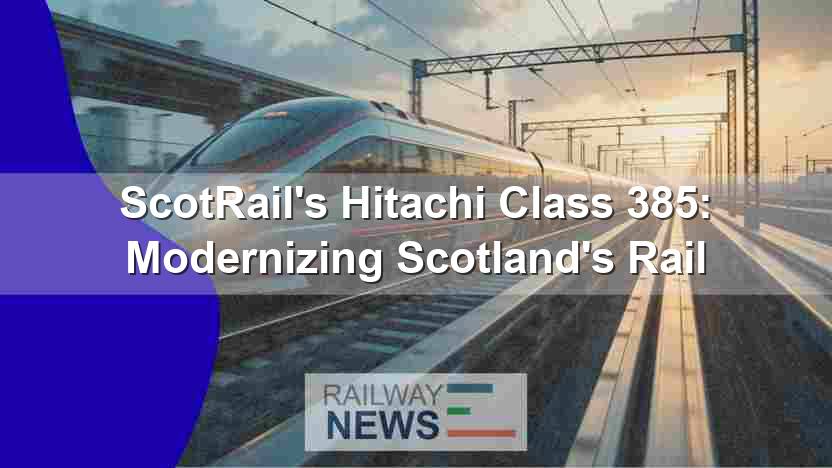
This article examines the significant introduction of Hitachi Class 385 electric trains into the ScotRail network, a pivotal moment in the modernization of Scotland’s railway infrastructure. The deployment of these new trains represents a substantial investment aimed at enhancing passenger experience, improving operational efficiency, and reducing the environmental impact of rail travel. We will delve into the technical specifications of the Class 385 trains, analyzing their advantages over existing diesel units. Additionally, we will explore the broader context of this introduction within the Edinburgh-Glasgow Improvement Programme and its long-term implications for ScotRail’s services and the overall Scottish rail network. Finally, we will assess the success and future prospects of this ambitious modernization effort, considering both its immediate impact and its potential to shape the future of rail travel in Scotland.
The Hitachi Class 385: Specifications and Advantages
The arrival of the first Hitachi Class 385 electric multiple unit (EMU) marked a significant upgrade for ScotRail. ScotRail ordered a total of 70 vehicles; a mix of 24 four-carriage trains (273 seats each) and 46 three-carriage trains (206 seats each). This represents a substantial increase in seating capacity compared to the older diesel trains they replace, providing up to 130 extra seats per train. Beyond capacity, the Class 385 trains boast significant improvements in energy efficiency – 18% more efficient than their diesel predecessors – leading to reduced carbon dioxide emissions (nearly 21% reduction) and improved air quality. The electric traction also contributes to reduced noise pollution along the lines. The modern design emphasizes passenger comfort, featuring a lighter, more spacious interior.
Integration into the ScotRail Network
The initial deployment of the Class 385 trains focused on the Glasgow Queen Street to Edinburgh Waverley route via Falkirk High, a busy corridor in the Central Belt of Scotland. This strategic choice allows for a phased introduction, enabling ScotRail to gain operational experience and address any teething problems before wider deployment across various routes. The gradual integration minimizes service disruption and allows for effective training of staff on the new rolling stock. The phased rollout is a key aspect of managing such a significant upgrade, ensuring a smooth transition for both passengers and operational staff.
The Edinburgh-Glasgow Improvement Programme
The introduction of the Class 385 trains is intrinsically linked to the Edinburgh-Glasgow Improvement Programme (EGIP). This £858 million investment by Network Rail Scotland focused on electrifying the Edinburgh-Glasgow line, creating the necessary infrastructure for these electric trains to operate efficiently. The EGIP represents a substantial commitment to modernizing Scotland’s railway infrastructure and improving its overall capacity and efficiency. The electrification project not only supports the introduction of the Class 385 EMUs but also lays the foundation for future upgrades and expansions of electric services across Scotland’s rail network.
Economic and Environmental Impact
The £475 million investment in the Class 385 fleet represents a significant financial commitment, but the long-term benefits are considerable. The improved passenger experience, increased capacity, and enhanced operational efficiency are expected to lead to increased ridership and revenue. The environmental advantages, including reduced emissions and noise pollution, contribute to a more sustainable transportation system. This investment underscores a broader commitment towards environmentally responsible rail operations, aligning with national and international goals to reduce carbon footprints and improve air quality.
Conclusion
The introduction of the Hitachi Class 385 trains represents a major step forward for ScotRail and the Scottish railway system as a whole. The significant investment in both the rolling stock (£475 million) and the supporting infrastructure (EGIP’s £858 million) demonstrates a commitment to modernization and improvement. The benefits extend beyond mere technological upgrades, impacting passenger experience (increased comfort and capacity), operational efficiency, and environmental sustainability (reduced emissions and noise). The phased rollout, starting with the busy Glasgow Queen Street to Edinburgh Waverley route, showcases a methodical approach to integration. The success of this project will undoubtedly serve as a model for future modernization efforts within the Scottish rail network and potentially influence similar projects across the UK and internationally. The long-term implications of this initiative are far-reaching, shaping the future of rail travel in Scotland and showcasing a commitment to sustainable and efficient public transportation. The seamless integration of the Class 385 fleet within the ScotRail network, facilitated by the Edinburgh-Glasgow Improvement Programme, is a testament to careful planning and execution, setting a positive precedent for future railway modernization endeavors.

Railway infrastructure, rolling stock and transport technologies specialist focused on global rail industry developments, high-speed rail systems, signaling technologies and freight transportation. Covering railway investments, public transport modernization, rail operations and international mobility projects across Europe, Asia and North America.
RELATED POSTS

October 8, 2026 1:15 pm
Alstom secured a €1bn contract to build 13 automated trains,...

October 1, 2026 7:09 am
United States regulators confirmed a September 30 deadline for the...

October 8, 2026 12:18 pm
Siemens Mobility signed an agreement with VinSpeed to supply 350...

October 4, 2026 5:14 pm
Alstom secured a CA$4.7 billion order from VIA Rail Canada...

October 5, 2026 6:12 pm
AECOM and Jacobs secured a contract in September 2026 to...

October 1, 2026 12:13 am
Illinois approved $1.5 billion annually for the Northern Illinois Transit...