
SBB Cargo Expands: 20 More Siemens Vectron Locomotives
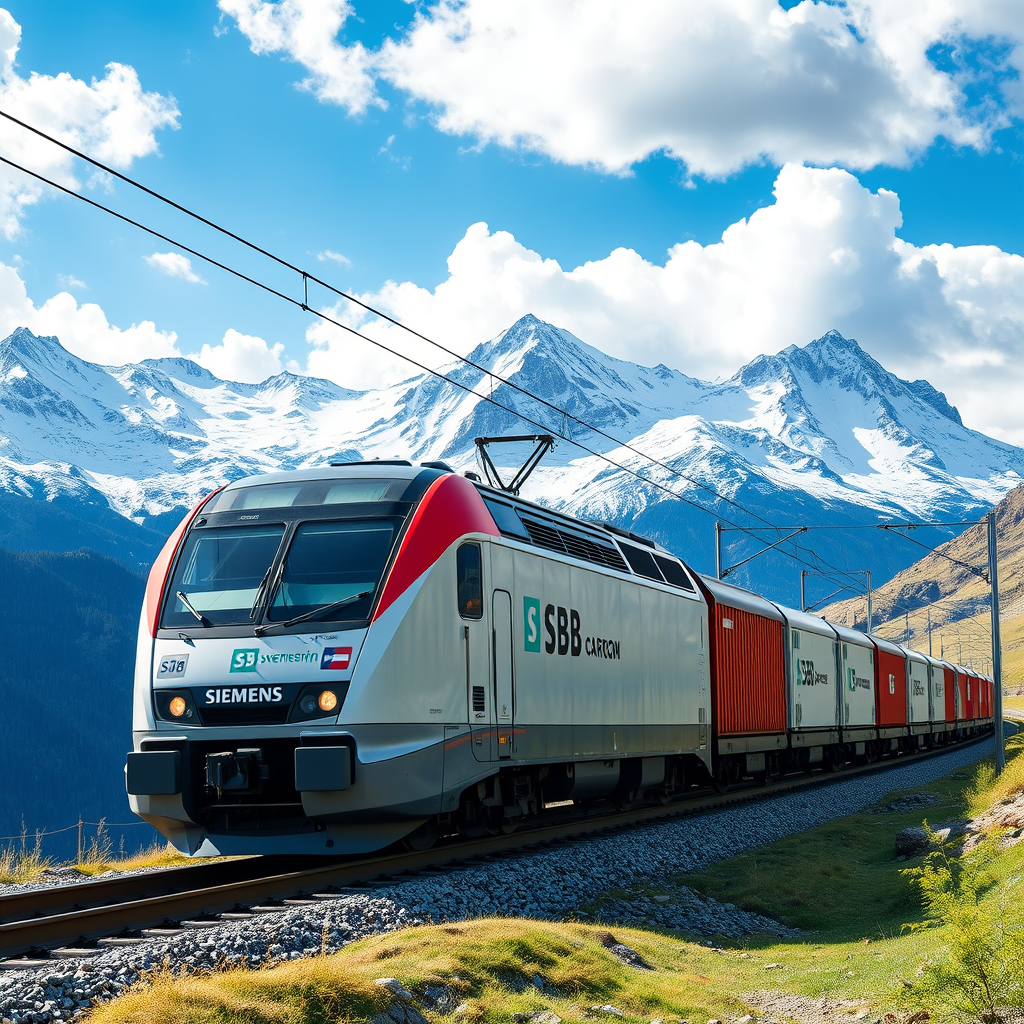
This article examines the recent order by SBB Cargo International (SBB CI) of 20 additional Siemens Vectron locomotives, highlighting the strategic implications for the company and the broader European rail freight market. The acquisition expands SBB CI’s Vectron fleet significantly, boosting its operational capacity and efficiency, particularly in the challenging Alpine region. This expansion is fueled by the increasing demand for efficient and sustainable freight transport across Europe, and this order underscores the importance of interoperability and technological advancements within the rail industry. We will delve into the reasons behind this significant investment, analyzing the technical specifications of the locomotives, the role of leasing companies, and the overall impact on SBB CI’s operational strategy and its commitment to sustainable freight transportation. The analysis will also touch upon the broader trends shaping the European freight rail market, including the growing demand for high-capacity locomotives and the crucial role of advanced signaling systems like ETCS (European Train Control System).
Expanding Operational Capacity and Efficiency
SBB Cargo International’s purchase of 20 additional Vectron locomotives represents a substantial investment aimed at enhancing its operational capabilities. The increased fleet size allows SBB CI to handle a larger volume of freight, potentially increasing revenue and market share. The inclusion of the Siemens XLoad package on these locomotives is particularly significant. XLoad enables single-traction operation of longer and heavier trains, which is crucial for navigating the challenging Alpine terrain. This reduces the need for more expensive and less efficient multiple-locomotive operations, leading to cost savings and improved operational efficiency. The 15-year maintenance contract with Siemens further ensures operational reliability and minimizes downtime, a critical factor for profitability in the rail freight industry.
Interoperability and Network Reach
The Vectron locomotive’s multi-system capability is a key driver behind SBB CI’s continued investment. Approved for operation in 20 European countries, including the Netherlands, Austria, Italy, and Germany, the Vectron allows SBB CI to seamlessly operate across its extensive network. This interoperability significantly enhances flexibility and reduces the complexities associated with operating across national borders, optimizing logistical efficiency and reducing transportation time.
The Role of Leasing and Technological Advancements
The involvement of Südleasing, a leasing company, in this transaction highlights a common practice in the rail industry. Leasing allows SBB CI to acquire rolling stock without significant upfront capital expenditure, enabling a more flexible approach to fleet management. The XLoad package, integrated into the locomotives by Südleasing, showcases the crucial role of technological innovation in optimizing rail freight operations. The adoption of ETCS BL3 (ETCS Baseline 3) signalling technology further demonstrates SBB CI’s commitment to utilizing advanced technology for enhanced safety and efficiency. The 160 km/h maximum speed also contributes to faster transit times, enhancing the overall competitiveness of SBB CI’s services.
Sustainability and Future Implications
Electric locomotives like the Vectron are vital for achieving environmental sustainability in the freight sector. By replacing diesel-powered locomotives, SBB CI reduces its carbon footprint and contributes to a greener transportation system. This commitment to sustainability aligns with broader industry trends towards reducing emissions and embracing eco-friendly solutions. The continued success of the Vectron model, with over 1,000 units delivered by Siemens, signals a strong market trend towards reliable, high-capacity, and interoperable electric locomotives.
Conclusions
SBB Cargo International’s expansion of its Vectron locomotive fleet represents a strategic move to enhance operational capacity, improve efficiency, and strengthen its position in the European rail freight market. The acquisition of 20 additional locomotives, equipped with the Siemens XLoad package and ETCS BL3 signaling technology, demonstrates SBB CI’s commitment to technological advancements and operational excellence. The strategic partnership with Südleasing provides financial flexibility and showcases a modern approach to fleet management. The Vectron’s multi-system capability ensures seamless cross-border operations, optimizing logistical efficiency across a wide network. The use of electric locomotives underscores SBB CI’s commitment to sustainable and environmentally responsible freight transportation. This significant investment reflects not only the company’s confidence in the future of rail freight but also the broader industry trend towards high-capacity, interoperable, and technologically advanced rolling stock. The continued success of the Vectron model, as evidenced by the high number of units delivered by Siemens and large-scale orders from other major players, further validates this trend and its positive impact on the overall efficiency and sustainability of the European rail freight sector. The implications extend beyond SBB CI, showcasing the future of European rail freight, one characterized by efficiency, interoperability, and a commitment to environmental stewardship.
RELATED POSTS

December 20, 2017 10:16 am
The Bowmanville Rail Expansion promises major economic gains and efficient...
June 12, 2020 8:53 pm
The following article analyzes the significant investment of $291.4 million...
January 29, 2023 10:16 pm
This article delves into the significant railway infrastructure development underway...
August 9, 2018 1:37 am
Global rail's transforming! From ERTMS adoption to hyperloop exploration,...
January 28, 2026 10:39 pm
Alstom launches a new bogie frame training center in Hungary,...
March 9, 2022 1:31 pm
Introduction This article delves into the significant 2022 capital investment...