
SAP S/4HANA on Azure: Rail Efficiency & Sustainability
SAP S/4HANA on Azure boosts railway efficiency by optimizing asset management, supply chains, and operations. This cloud-based platform delivers real-time insights for enhanced performance.
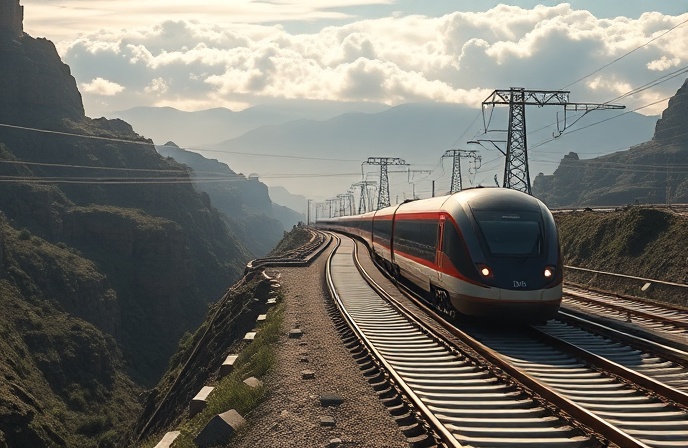
Transforming Railway Operations: Leveraging SAP S/4HANA on Azure for Enhanced Efficiency
The railway industry, a cornerstone of global transportation, is undergoing a significant digital transformation. Faced with increasing demands for efficiency, safety, and sustainability, railway companies are actively seeking innovative solutions to modernize their operations. This includes optimizing asset management, streamlining supply chains, and improving real-time decision-making capabilities. One of the most promising avenues for achieving these goals is the implementation of SAP S/4HANA on Azure, a powerful combination offering scalability, security, and advanced analytics. This article will explore how rail operators are adopting this integrated platform to unlock new levels of performance and drive future growth, delving into the benefits and operational advantages it brings.
The Power of Integration: How SAP S/4HANA on Azure is Reshaping Railway Management
At the core of this transformation is the ability to consolidate vast amounts of data and extract actionable insights. SAP S/4HANA on Azure provides a unified platform for managing all core railway business processes. This includes everything from finance and human resources to supply chain management and maintenance planning. Unlike legacy systems, S/4HANA is built on the in-memory capabilities of SAP HANA, which allows for real-time data processing and analysis. Azure’s cloud infrastructure then provides the scalability and flexibility required to handle the fluctuating demands of a complex railway operation. This integration allows for enhanced visibility into operational performance, enabling data-driven decision-making across the entire organization.
Optimizing Asset Management: Predictive Maintenance and Enhanced Reliability
A critical area where SAP S/4HANA on Azure shines is in asset management. Railway assets, such as locomotives, rolling stock, and track infrastructure, are expensive and require meticulous maintenance. Traditional maintenance approaches often rely on scheduled inspections, leading to inefficiencies and potential breakdowns. Using S/4HANA, coupled with Azure’s advanced analytics capabilities, rail companies can implement predictive maintenance strategies. Sensors embedded in assets collect data on performance and wear, which is then analyzed to predict potential failures. This allows maintenance teams to address issues proactively, reducing downtime, extending asset lifespan, and enhancing overall system reliability. The integration also provides real-time visibility into asset utilization, ensuring optimal resource allocation.
Streamlining Supply Chains: Enhanced Procurement and Inventory Control
The railway supply chain is intricate, involving numerous suppliers, parts, and logistics operations. Efficient supply chain management is essential to avoid delays, control costs, and ensure the availability of critical components. SAP S/4HANA on Azure streamlines procurement processes, from vendor selection to order fulfillment, through automated workflows and integrated supplier portals. Inventory levels can be optimized based on real-time demand forecasting and consumption patterns. The platform also improves warehouse management, enabling efficient tracking of parts and materials. This end-to-end visibility enhances the responsiveness of the supply chain, minimizes delays in maintenance and repairs, and reduces inventory carrying costs.
Driving Efficiency and Sustainability: Improving Operational Performance and Reducing Environmental Impact
The benefits of implementing SAP S/4HANA on Azure extend beyond cost savings and operational efficiency. Rail operators are under increasing pressure to improve their sustainability profile. The platform supports energy-efficient operations by providing data analytics to help identify opportunities to reduce fuel consumption, optimize train schedules, and reduce emissions. Improved asset management also contributes to sustainability by extending asset lifespans and minimizing waste. Furthermore, real-time visibility into operations allows for faster response times to disruptions and reduces the need for inefficient workarounds. These advances will greatly contribute to sustainable and reliable transport.
Conclusion
The adoption of SAP S/4HANA on Azure represents a pivotal shift for the railway industry, moving beyond legacy systems to embrace a digitally enabled future. The platform’s comprehensive functionality, including predictive maintenance, optimized supply chains, and data-driven insights, empowers rail operators to enhance efficiency, improve safety, and achieve significant cost savings. The scalability and security provided by Azure’s cloud infrastructure further enhance the platform’s attractiveness. As the industry continues to evolve and faces pressures to offer more service, this technology enables improvements in efficiency, reliability, and sustainability. With continuous innovation and growing data usage, we can expect to see continued adoption of SAP S/4HANA on Azure as a core technology for railway operations worldwide.
RELATED POSTS
August 8, 2025 4:33 pm
Union Pacific's new Kansas City intermodal terminal boosts Midwest logistics,...
March 10, 2025 10:43 am
The European railway sector is undergoing a significant transformation, driven...

May 15, 2009 1:51 pm
The European Bank for Reconstruction and Development (EBRD) is lending...

March 27, 2019 10:12 am
Liverpool's new high-speed rail station: A £15 billion economic...

June 13, 2025 8:00 am
MBTA commuter rail seeks financing for battery-electric trains. Keolis...
August 1, 2025 9:33 am
Rail Baltica's Soodevahe junction, a €38.8M project, boosts Estonian...