
Royal Mail Ends Rail: Cost vs Sustainability
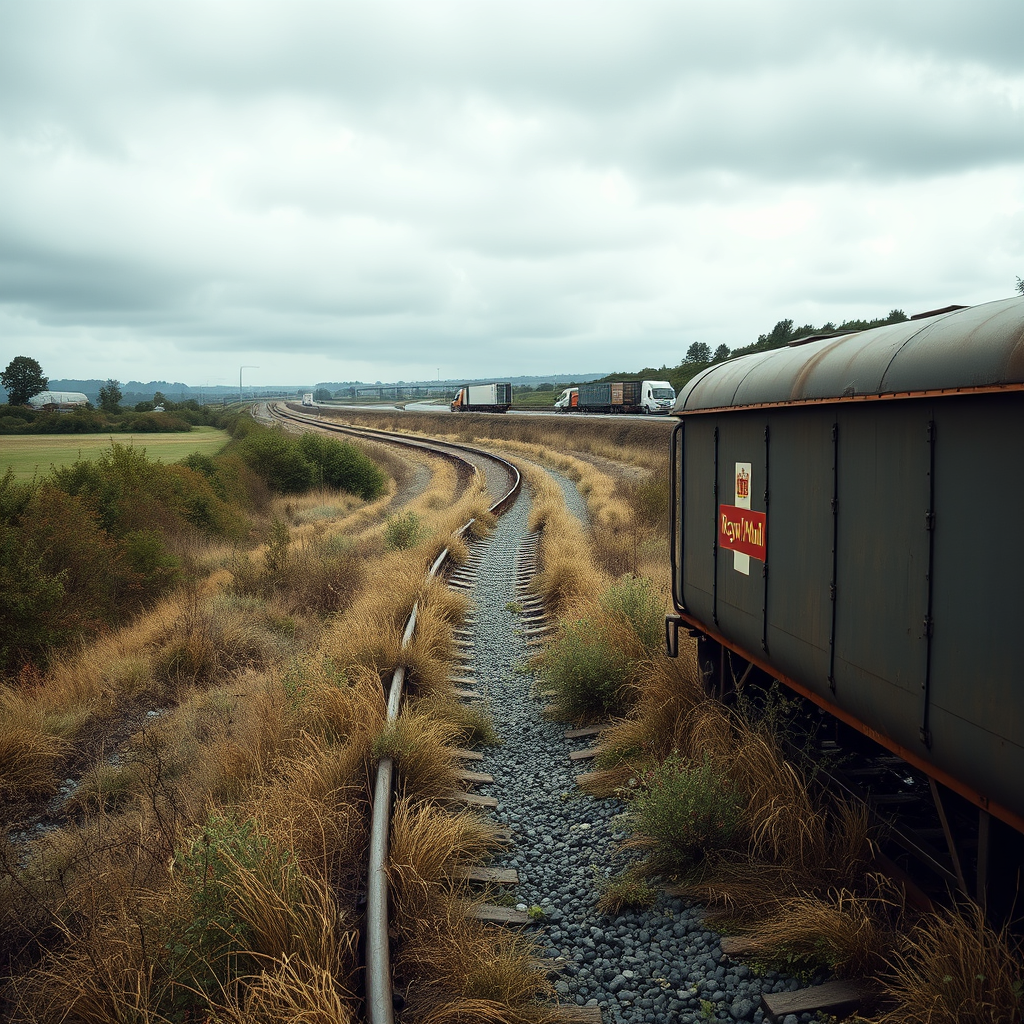
The Demise of Rail in UK Mail Delivery: A Case Study in Economic and Environmental Trade-offs
This article analyzes the recent decision by Royal Mail, the UK’s national mail delivery service, to cease using rail transport for its deliveries, opting instead for a predominantly road-based system. This shift, effective October 2024, marks the end of a nearly two-century-long tradition of rail mail transport and raises critical questions about the economic viability of rail freight in the UK, the commitment to environmental sustainability targets, and the interplay between governmental policy and private sector decisions. The analysis will delve into the stated reasons for Royal Mail’s decision, examining the cost of electricity for traction (EC4T) charged by Network Rail (the national infrastructure manager) and exploring the broader context of the UK’s freight transportation landscape. We will also consider the implications of this decision for the rail freight sector and the UK’s environmental goals, particularly in light of Royal Mail’s stated commitment to achieving net-zero emissions by 2040. Finally, we will discuss potential solutions and policy considerations that could foster a more sustainable and efficient freight transportation system in the UK.
The High Cost of Electrification and the Economics of Rail Freight
Royal Mail’s decision to abandon rail freight cites the escalating cost of electricity for traction (EC4T) as the primary driver. The EC4T tariff for the 2023/24 financial year stood at 22.903 pence per kWh, placing a significant burden on rail operators. This cost pressure, compounded by the lack of parity between the subsidies provided to road haulage and the relative lack of support for rail freight, has made rail transport financially less attractive compared to road transport. DB Cargo UK, Royal Mail’s previous rail partner, highlighted this disparity, urging the government to address the imbalance to create a more level playing field for the rail freight sector. The withdrawal of DB Cargo’s Class 90 electric locomotives from service further underscores the economic challenges facing electric rail freight in the UK.
Environmental Sustainability Concerns and the Net-Zero Agenda
Royal Mail’s decision stands in stark contrast to its stated commitment to achieving net-zero emissions by 2040. While the company has concurrently reduced its reliance on domestic air freight, shifting to road transport for the majority of its mail and parcel deliveries raises serious environmental concerns. Although Royal Mail claims its road fleet partially utilizes hydrotreated vegetable oil (HVO) and includes 5,000 electric vehicles, the overall carbon footprint of a significantly expanded road-based delivery network is likely to be substantially higher than that of rail. This decision, therefore, demonstrates a tension between the economic pressures faced by the company and its commitment to environmental sustainability. The move highlights the challenges of balancing economic realities with ambitious environmental targets, particularly within a regulatory environment that doesn’t fully incentivize sustainable transport modes.
The Shifting Landscape of Mail Delivery and the Decline of Rail’s Role
The decision by Royal Mail marks not only a shift away from rail but also reflects the broader transformation of the mail delivery industry. The decline of traditional mail volumes due to the rise of digital communication and electronic messaging has reduced the overall demand for postal services, impacting the economics of rail transport. The gradual phasing out of mail trains with onboard sorting staff, completed in 2004, signaled a previous reduction in rail’s role within the delivery process. This structural change in the industry has made it difficult for rail freight to compete effectively against road transport, even without the added pressure of high EC4T costs.
Conclusions and Future Outlook
Royal Mail’s decision to discontinue rail freight services for its mail and parcels represents a significant setback for the UK’s rail freight sector and raises serious questions about the government’s approach to sustainable transport. The high cost of electricity for traction (EC4T), coupled with the lack of parity in subsidies compared to road haulage, has tipped the scales in favor of road-based transport despite stated environmental goals. This highlights the complex interplay between economic viability and sustainability targets, challenging the industry to find innovative solutions. While the company’s transition to a more road-centric system has short-term cost benefits, its long-term implications for the environment are concerning. The decision also reflects the wider challenges faced by the rail freight industry in the UK, which requires a more holistic approach involving government intervention, technological advancements, and potentially a reassessment of the cost structures within the rail network. To address this, the government needs to actively support rail freight, creating a fairer competitive landscape that incentivizes sustainable transport. This might involve targeted subsidies, infrastructure improvements to reduce operational costs, and a review of the EC4T pricing model to foster greater parity between rail and road transport. Without such interventions, the UK risks losing a vital component of its sustainable freight infrastructure and undermining its commitment to ambitious carbon reduction targets. Ultimately, the success of achieving a truly sustainable transport system depends on creating an environment where economic viability and environmental responsibility work hand in hand.
RELATED POSTS
Union Pacific earned an 80% top Class I railroad intermodal...

March 6, 2026 12:10 pm
Consortium Announces Digital Services Platform for UK Rail Sector A...
March 5, 2026 7:57 pm
Banedanmark launched battery train operations on Denmark's 67 km Skjern–Holstebro...
March 5, 2026 4:23 am
Renfe suspends Spain rail services on Madrid-Andalusia corridor until February...
March 6, 2026 4:07 pm
Digital Subscription Market Analysis Q1 2026 Analytics firm Antenna confirmed...

March 4, 2026 10:12 am
Amtrak and Siemens deploy 8 Airo trains for the U.S....